GIN and TONIC
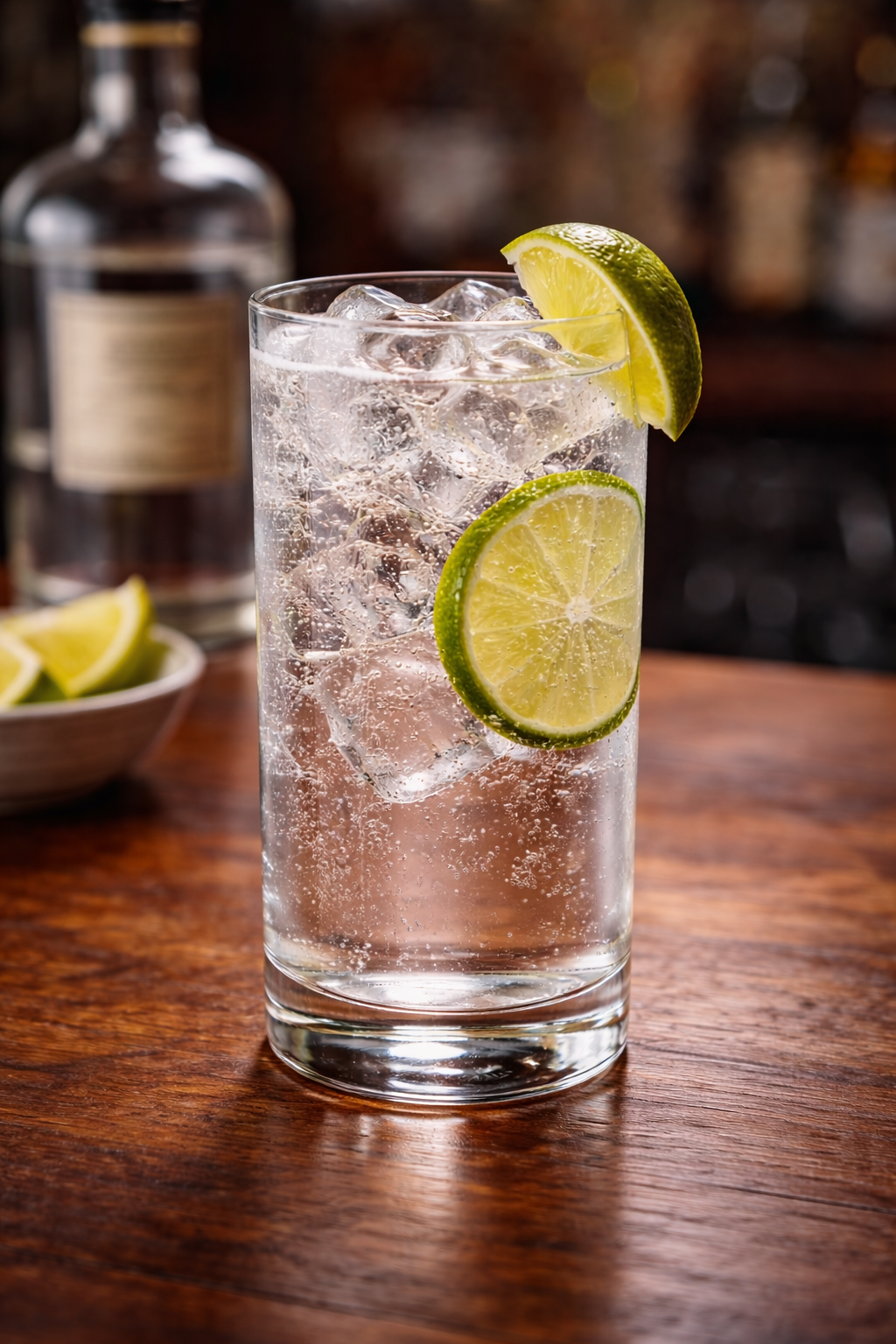
The Gin and Tonic: The British Colonial Drink That Started as Medicine
The Gin and Tonic originated in British colonial India during the early 1800s. British soldiers and officials stationed in tropical regions took quinine to prevent malaria, but the powder was extremely bitter. To make it more palatable, they mixed the quinine with water, sugar, and lime, creating tonic water. Officers in the British East India Company eventually began adding gin to their daily dose of tonic, and the Gin and Tonic was born.
By the mid-1800s, the drink had become a staple of British colonial life throughout India and other tropical territories. Commercial tonic water became widely available in the 1850s when brands like Schweppes began bottling it, making the drink accessible beyond colonial outposts.
The medicinal origins are real - quinine does have anti-malarial properties and comes from the bark of the cinchona tree native to South America. However, modern tonic water contains far less quinine than the colonial versions, making it purely recreational rather than medicinal.
What makes the Gin and Tonic work is the botanical complexity of gin pairing with the bitter quinine in tonic water. The lime adds citrus brightness that bridges both ingredients while preventing the drink from becoming too sweet or too bitter. The carbonation keeps everything light and refreshing.
The drink remained primarily British until the late 20th century, when premium gin and artisanal tonic waters sparked a global renaissance. Spanish bartenders particularly elevated the serve, using large balloon glasses filled with ice, premium garnishes, and craft tonics.
RECIPE:
2 oz gin
4-5 oz tonic water
Lime wedge
Ice
Method:
Fill highball glass with ice
Add gin
Top with tonic water
Stir gently once
Squeeze and drop lime wedge into glass