Featured
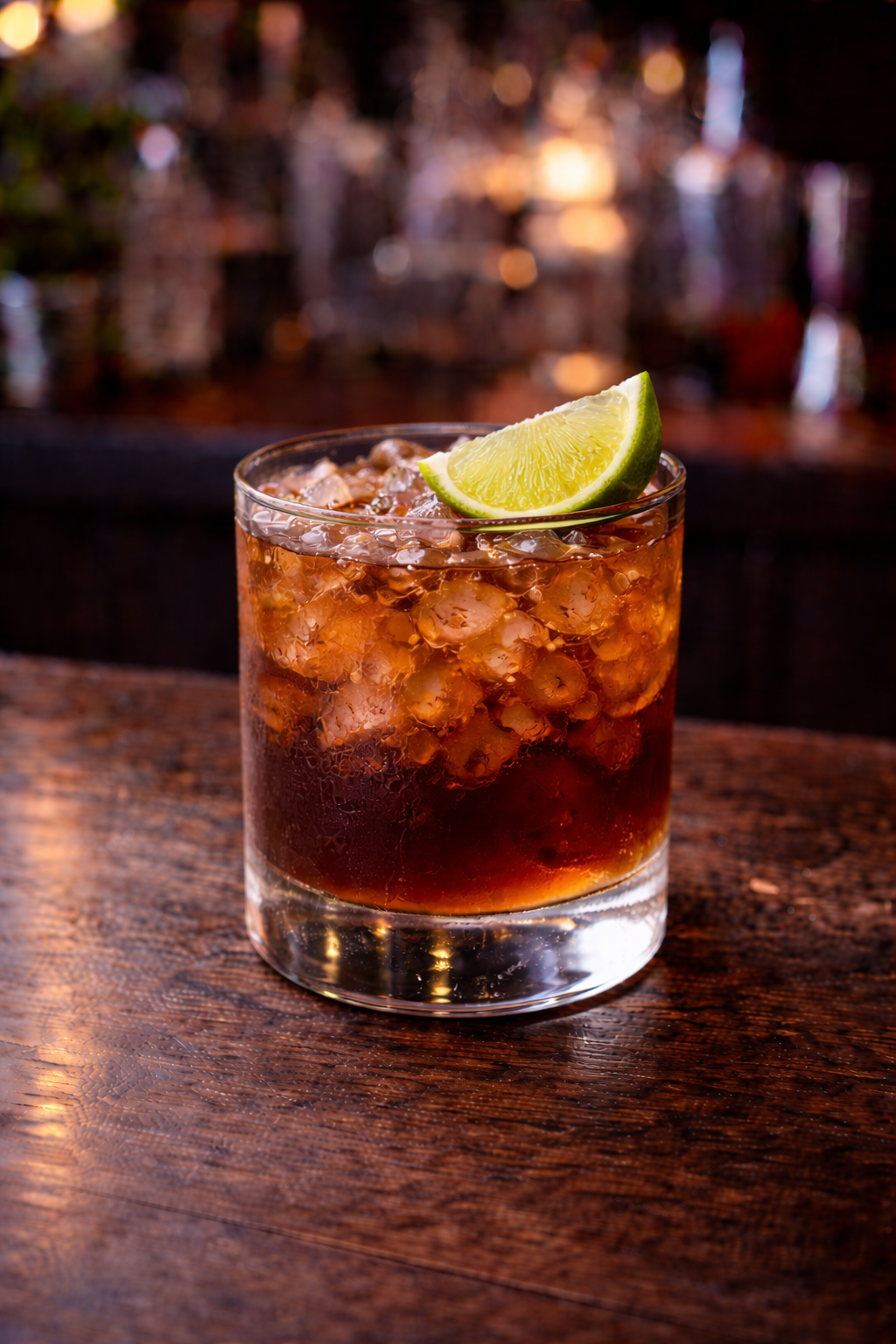
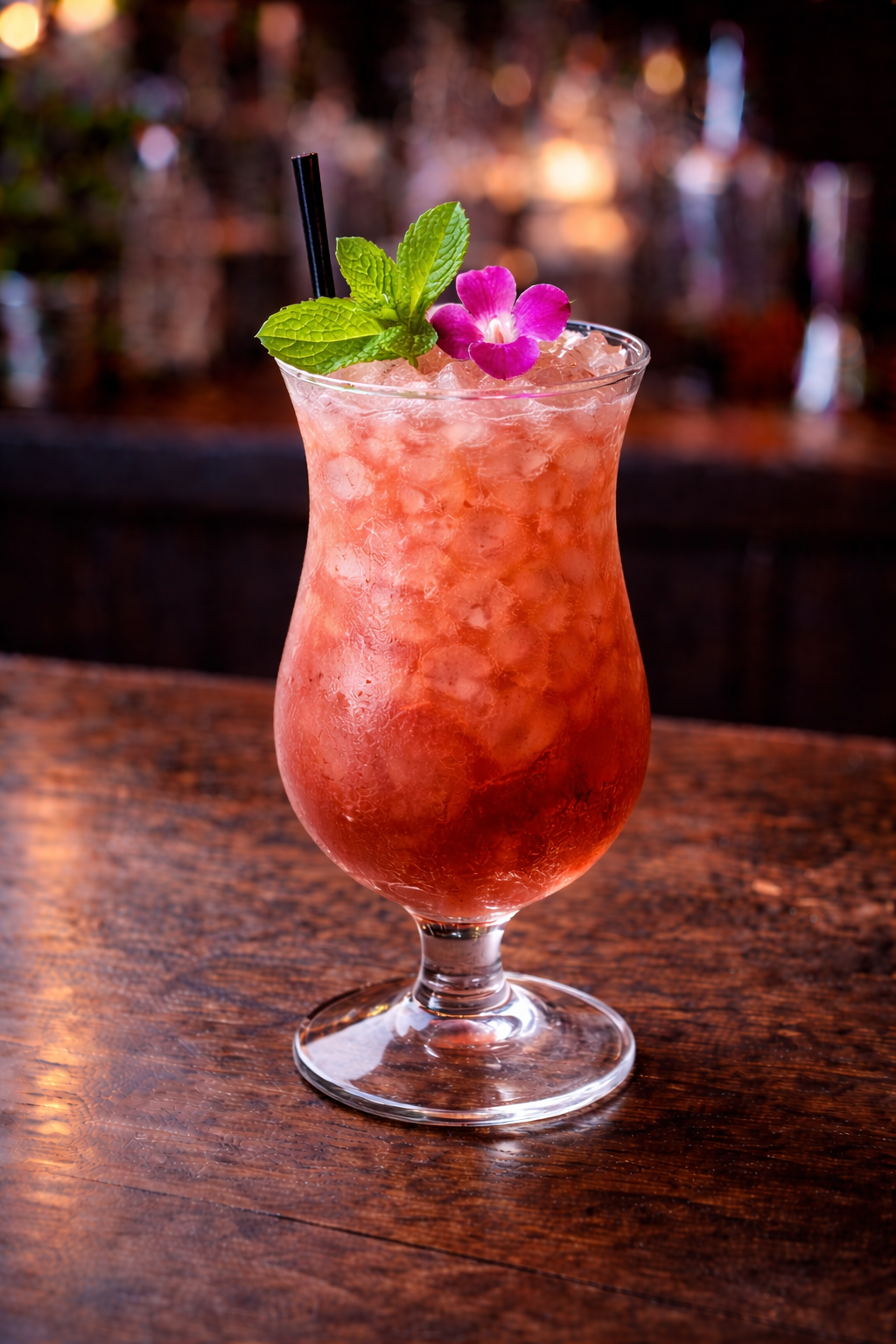
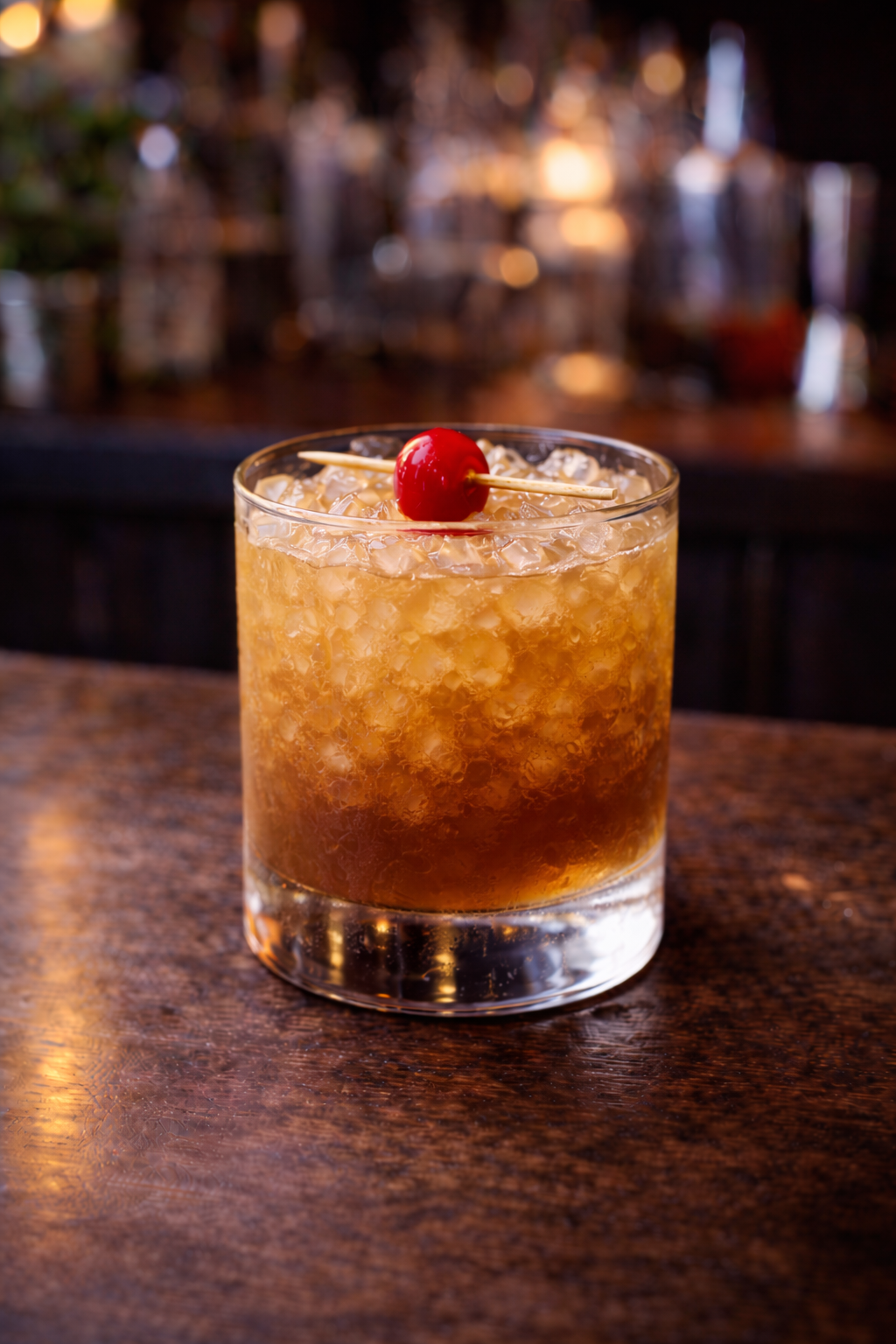
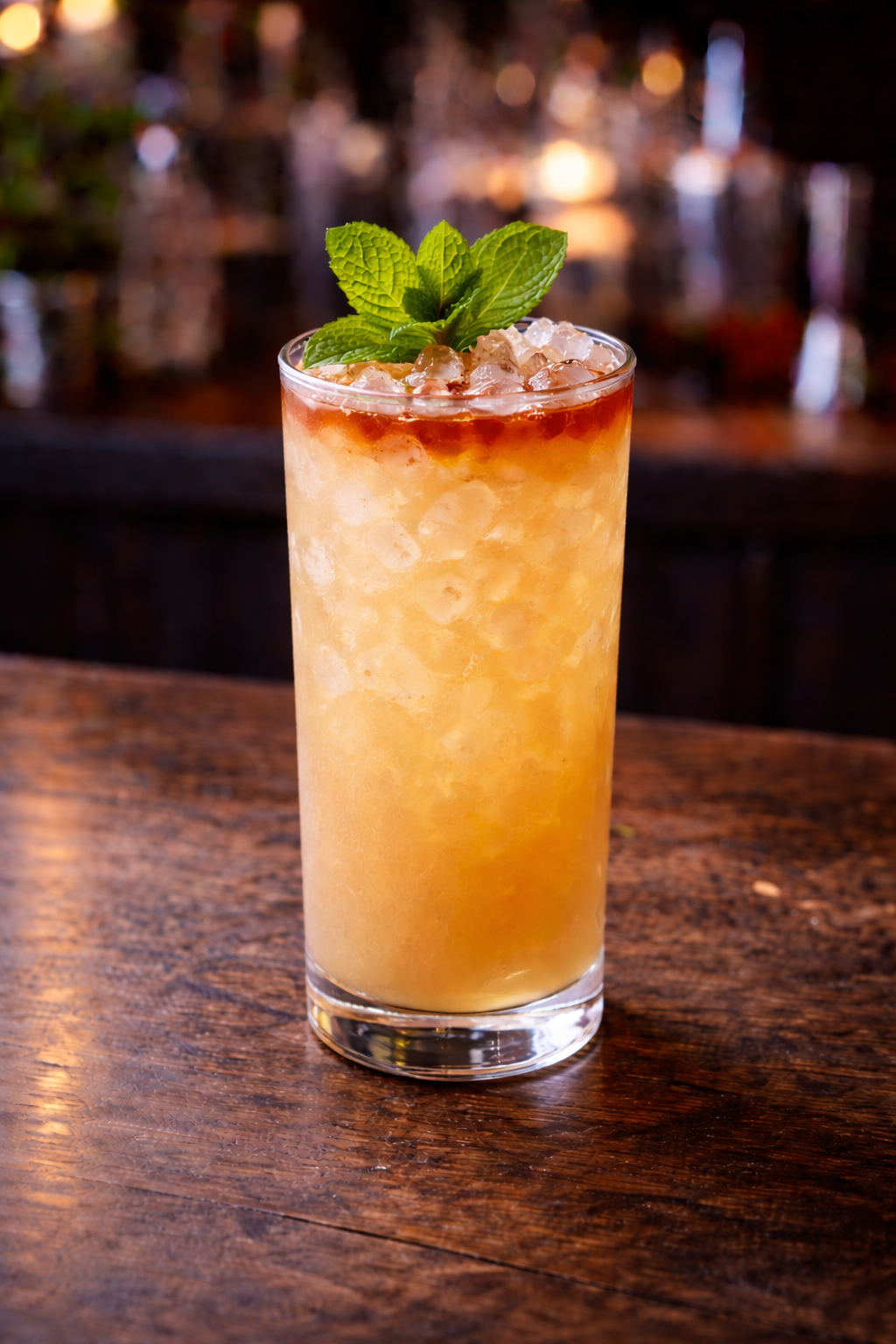
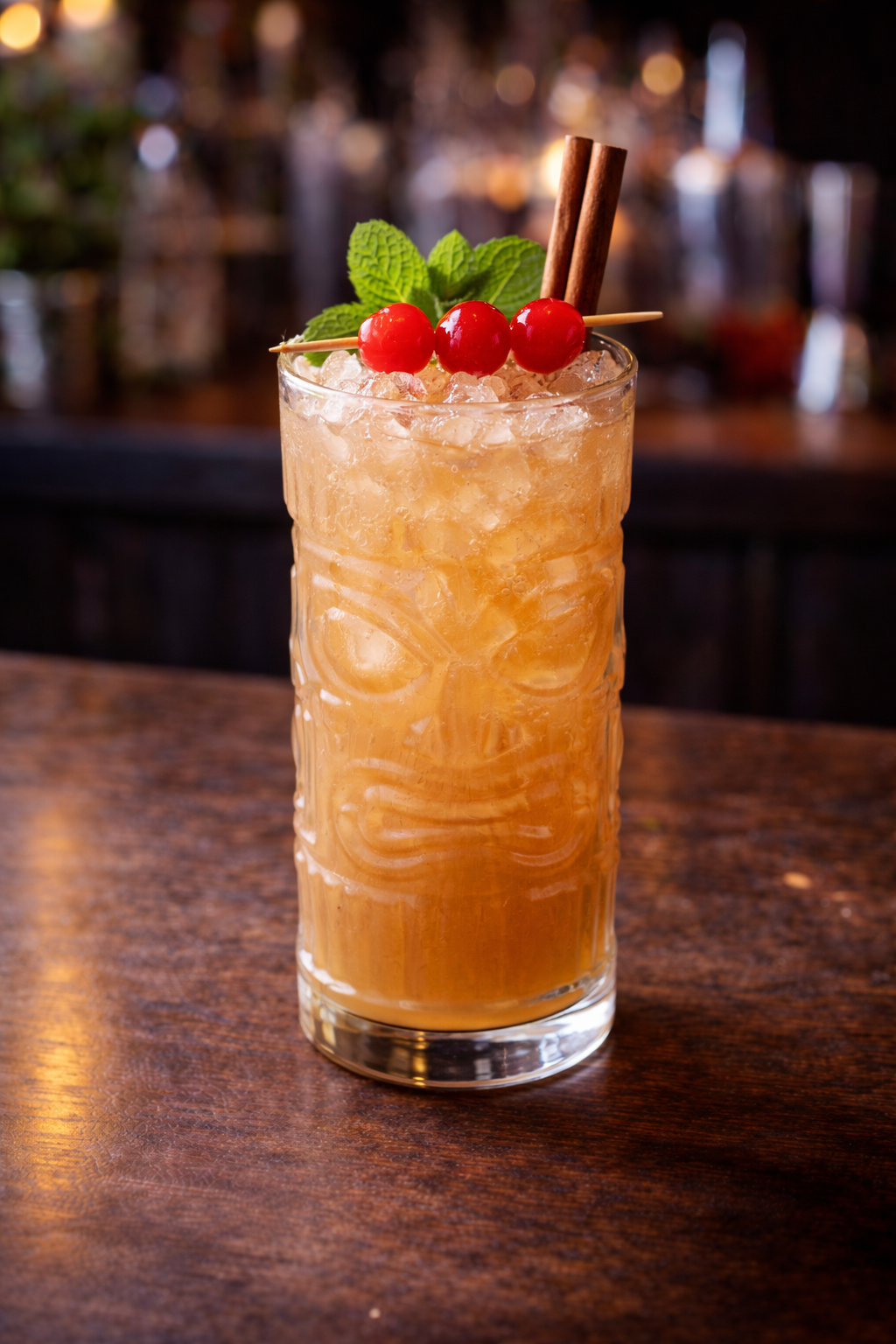
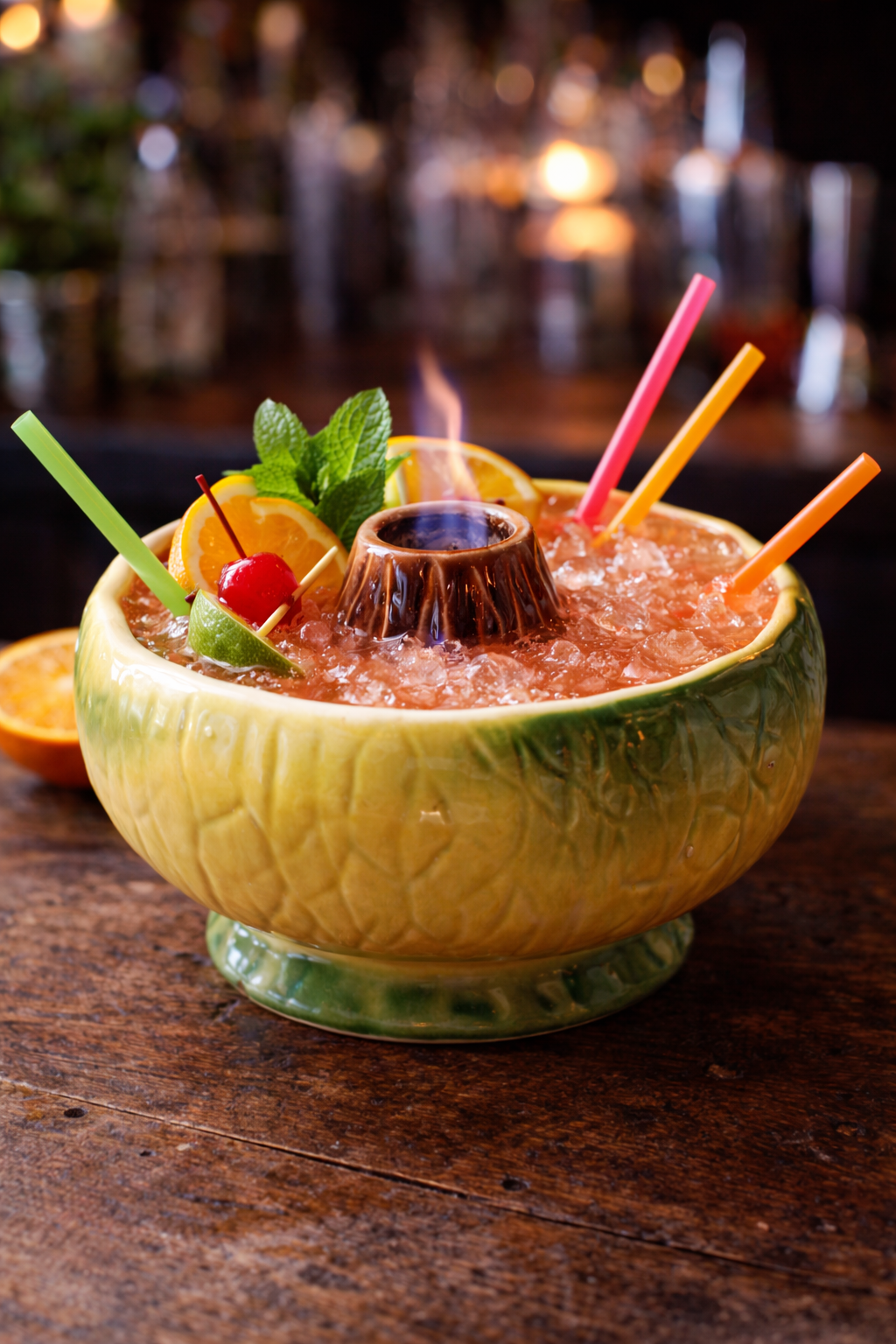
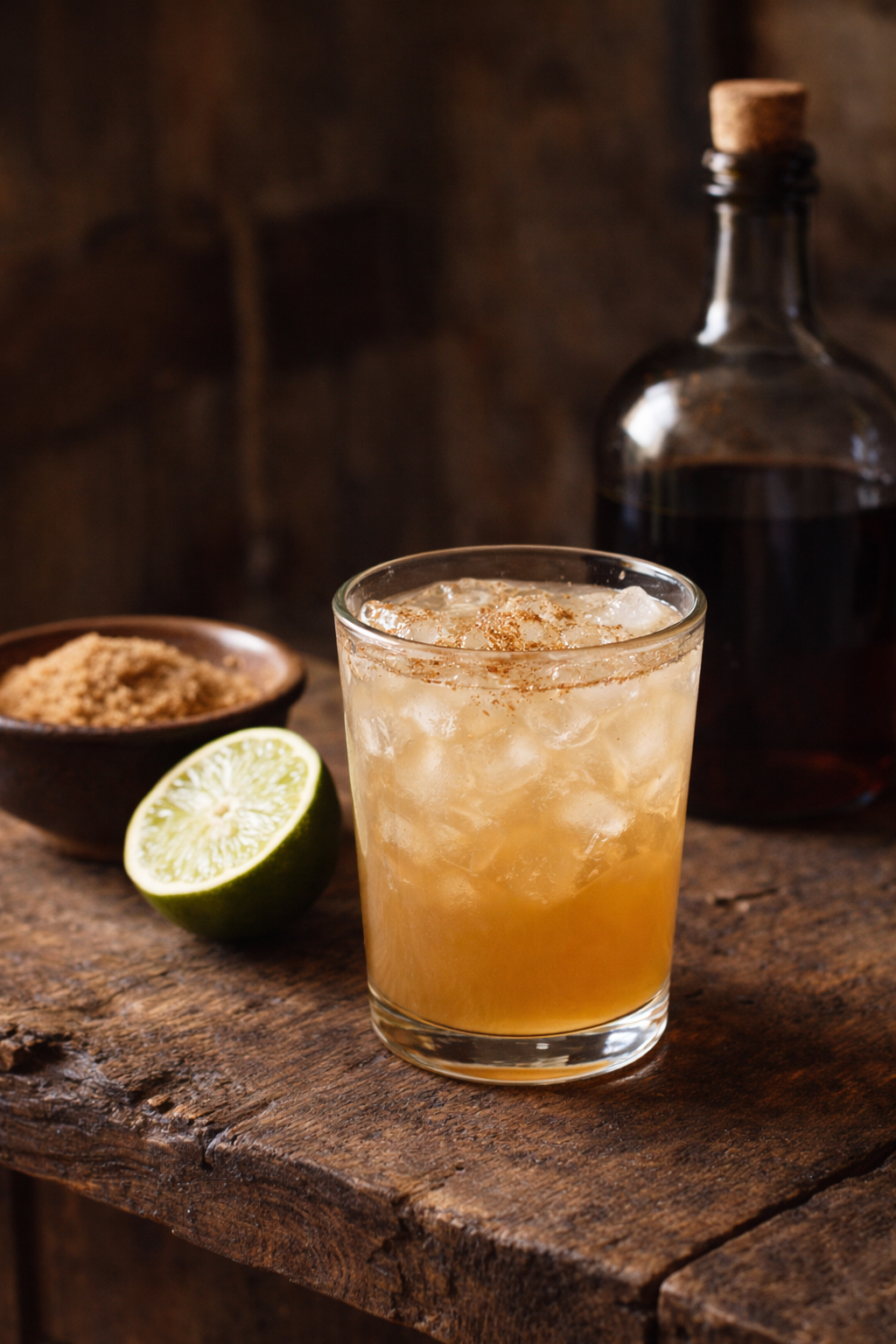
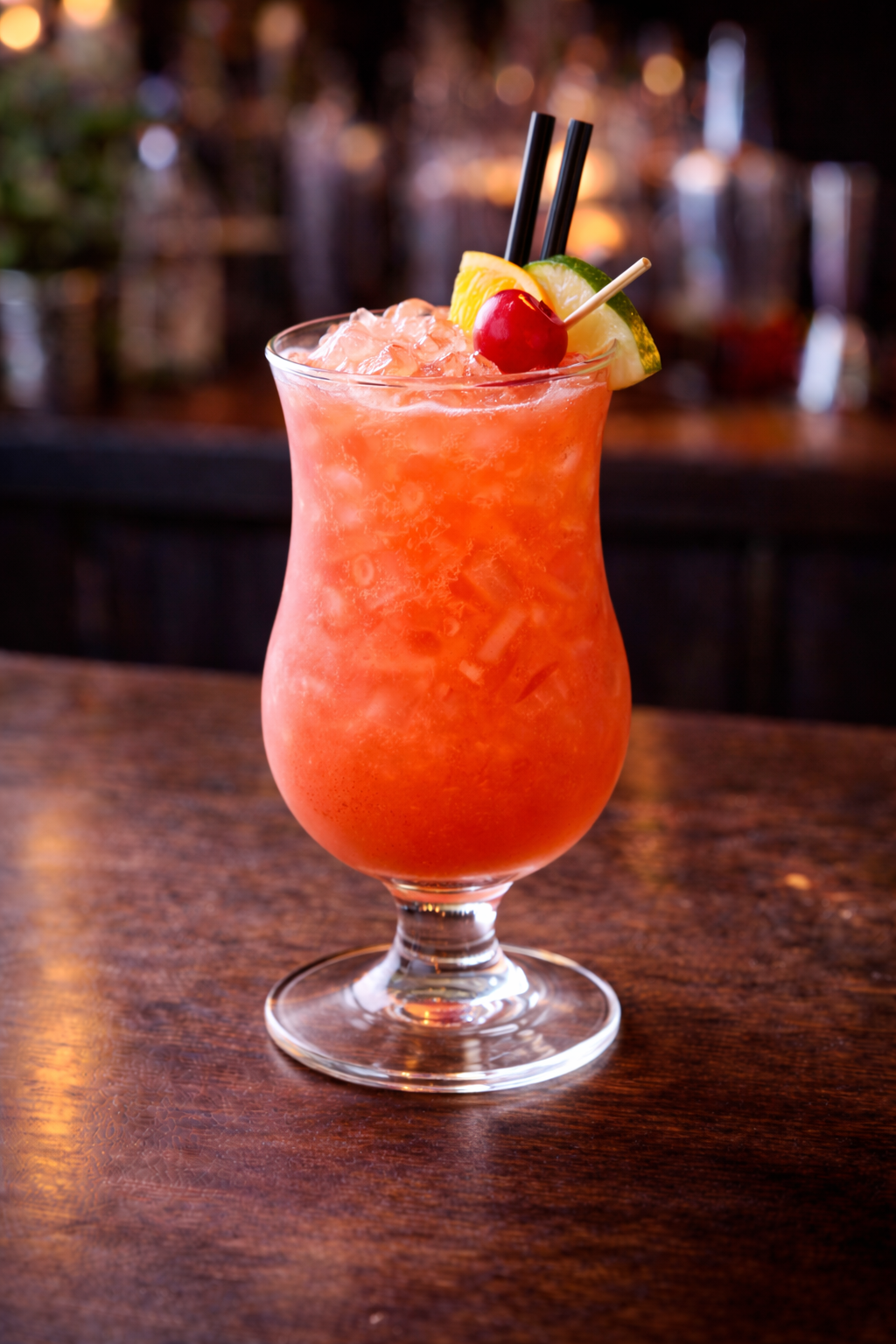
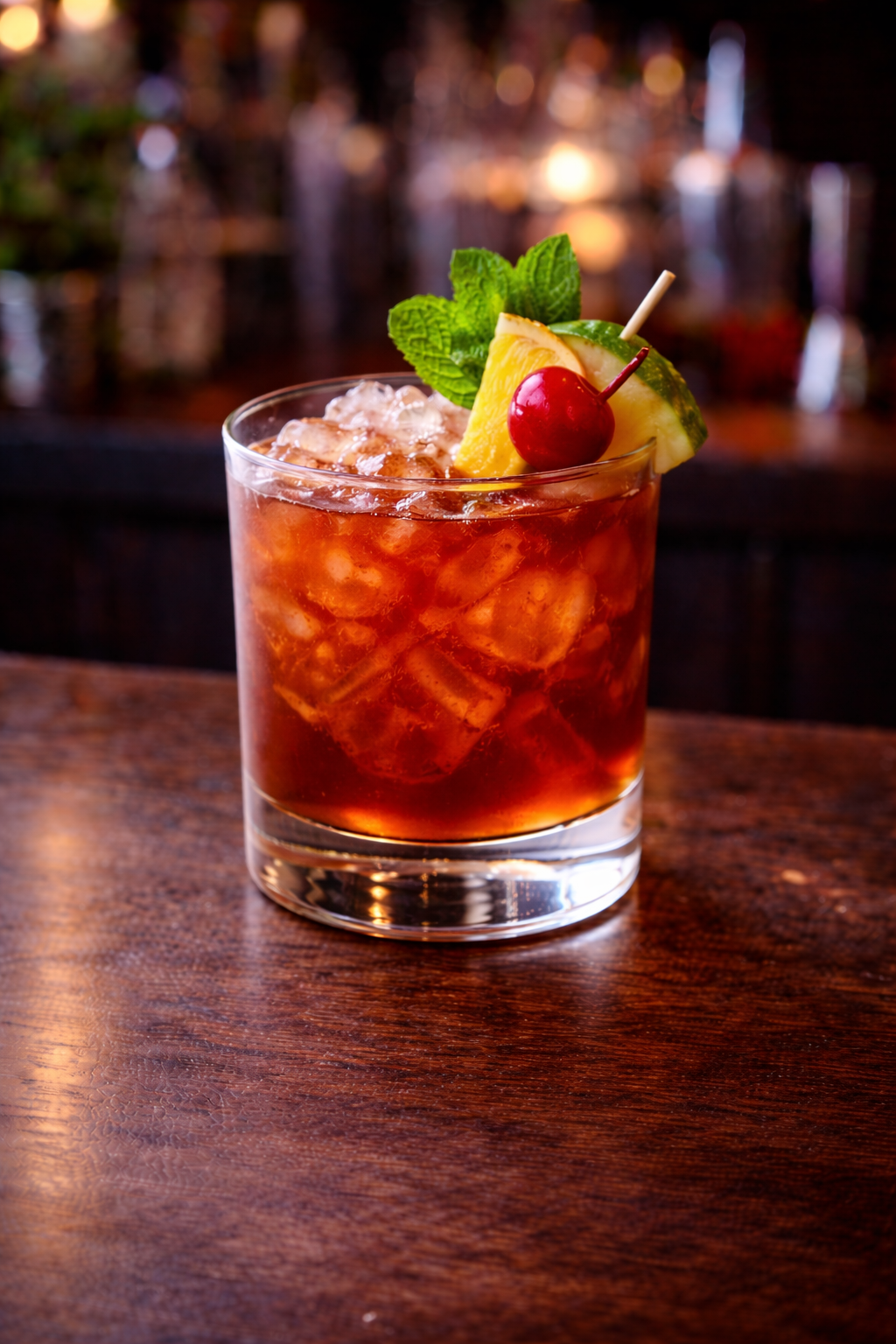
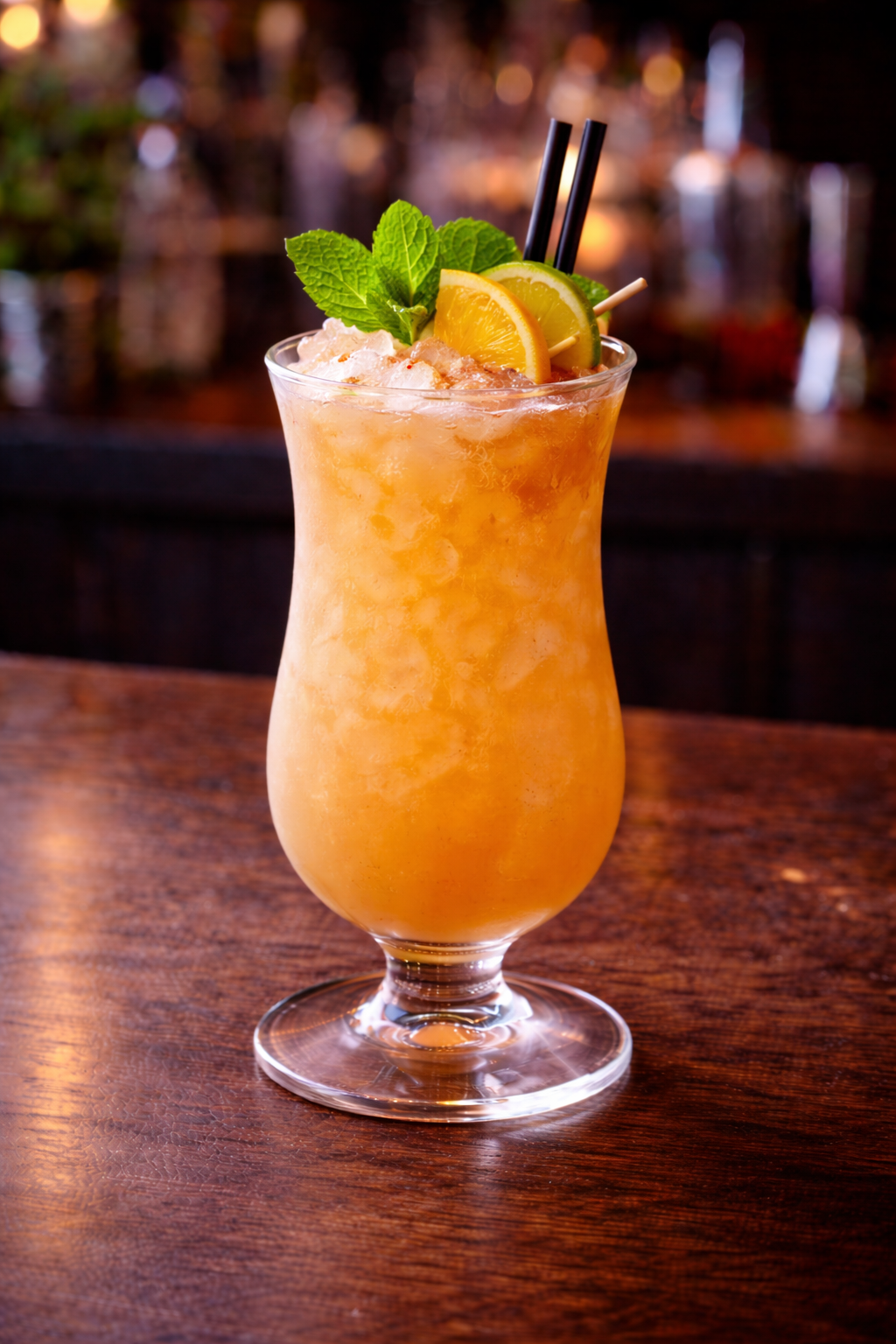
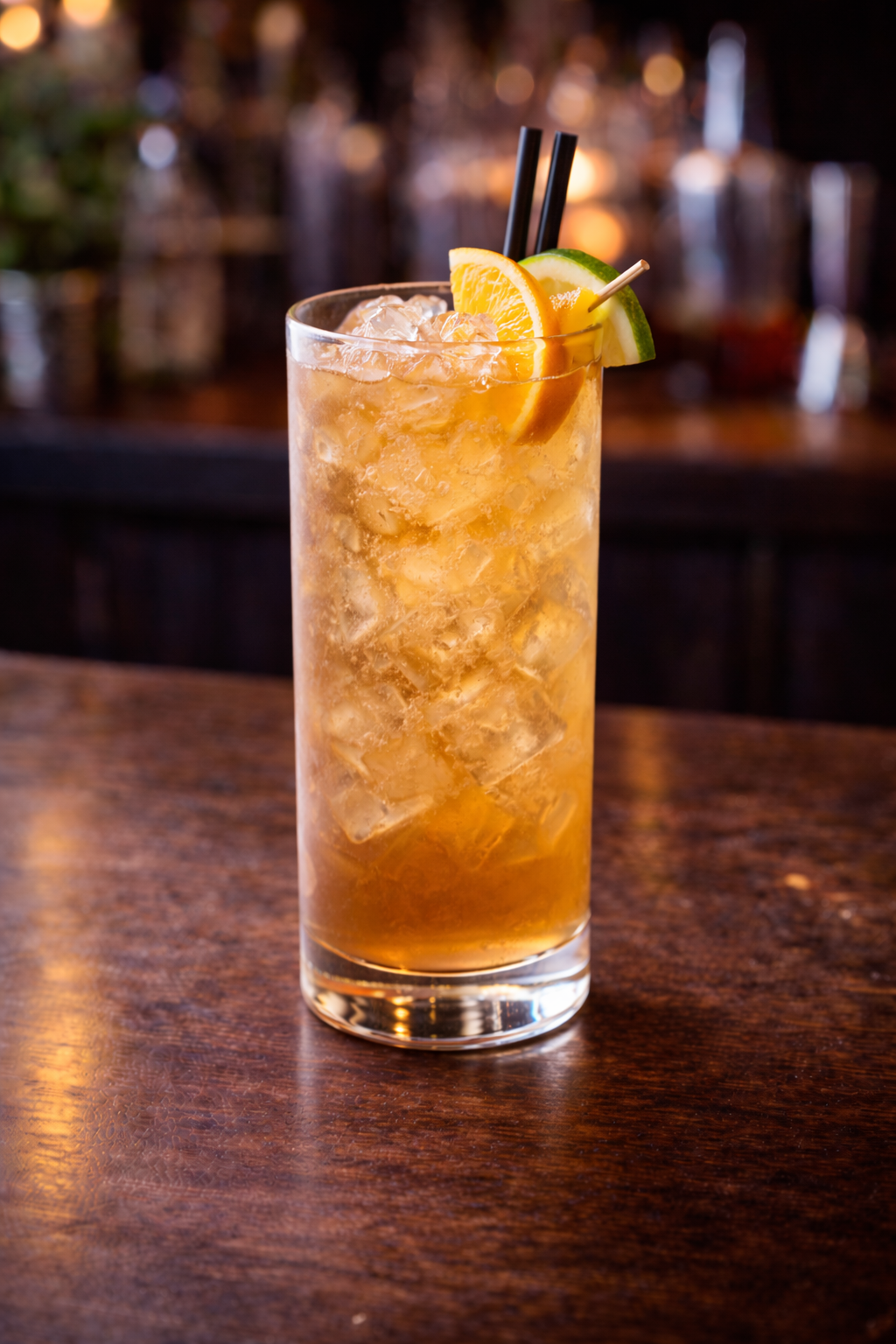
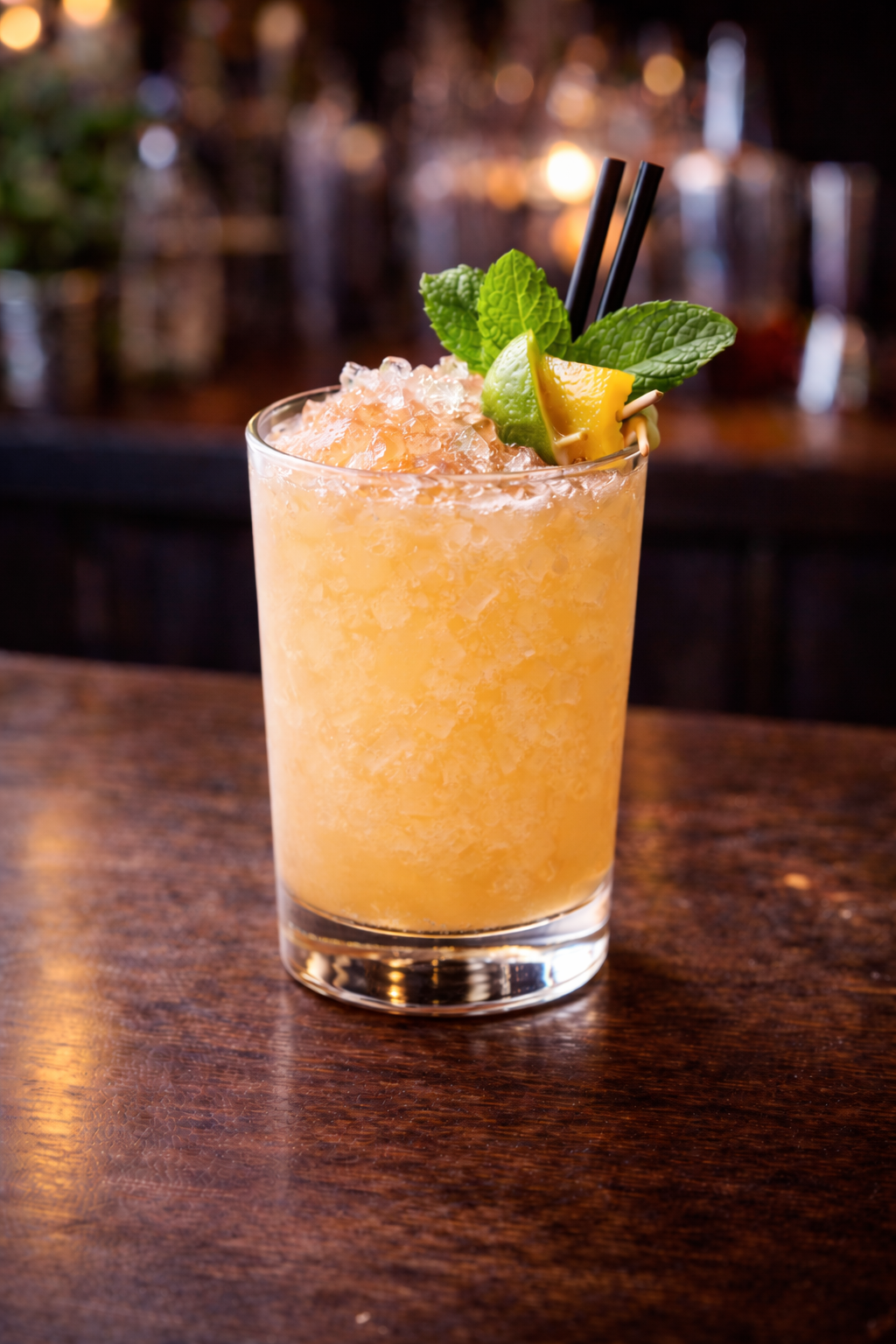
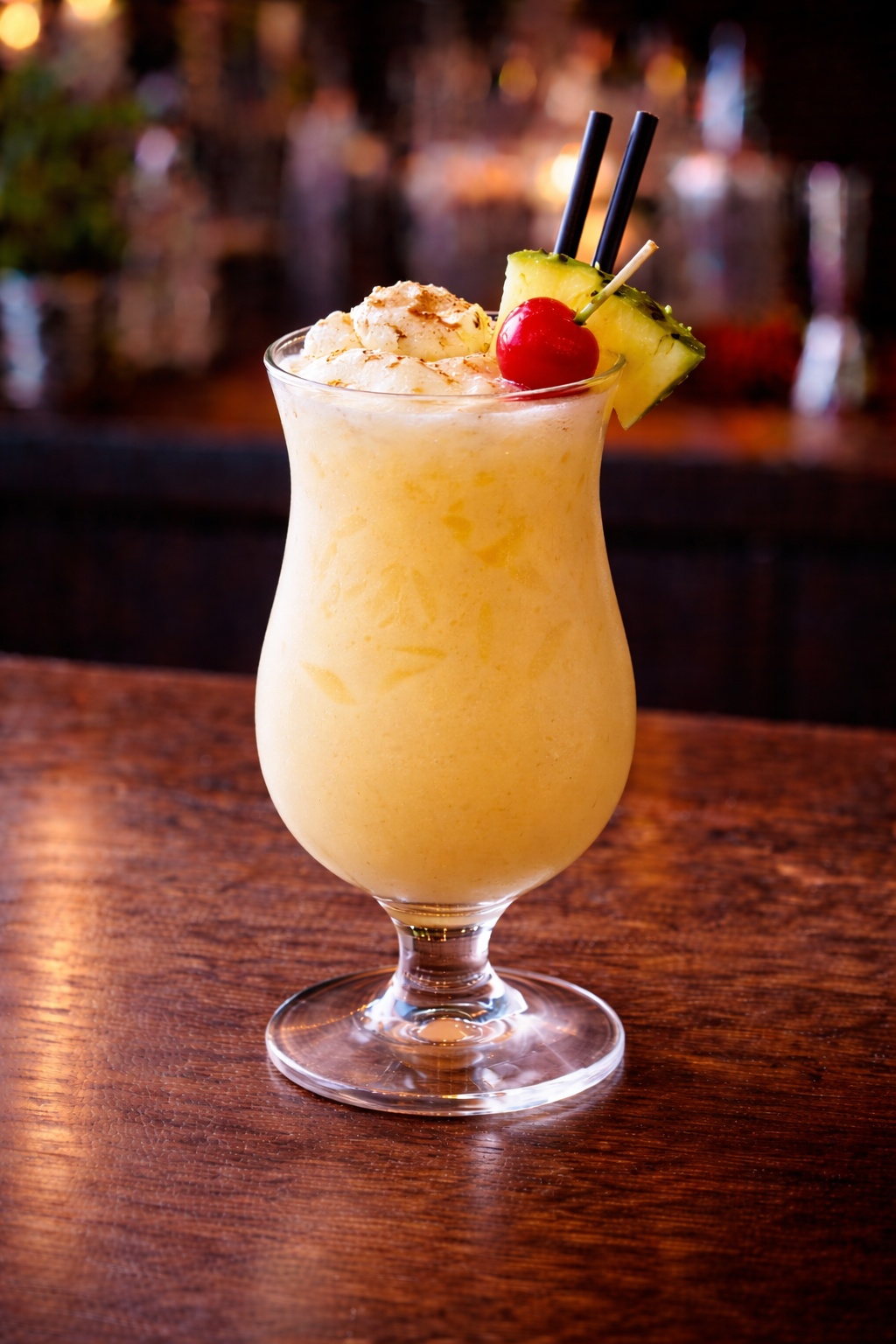
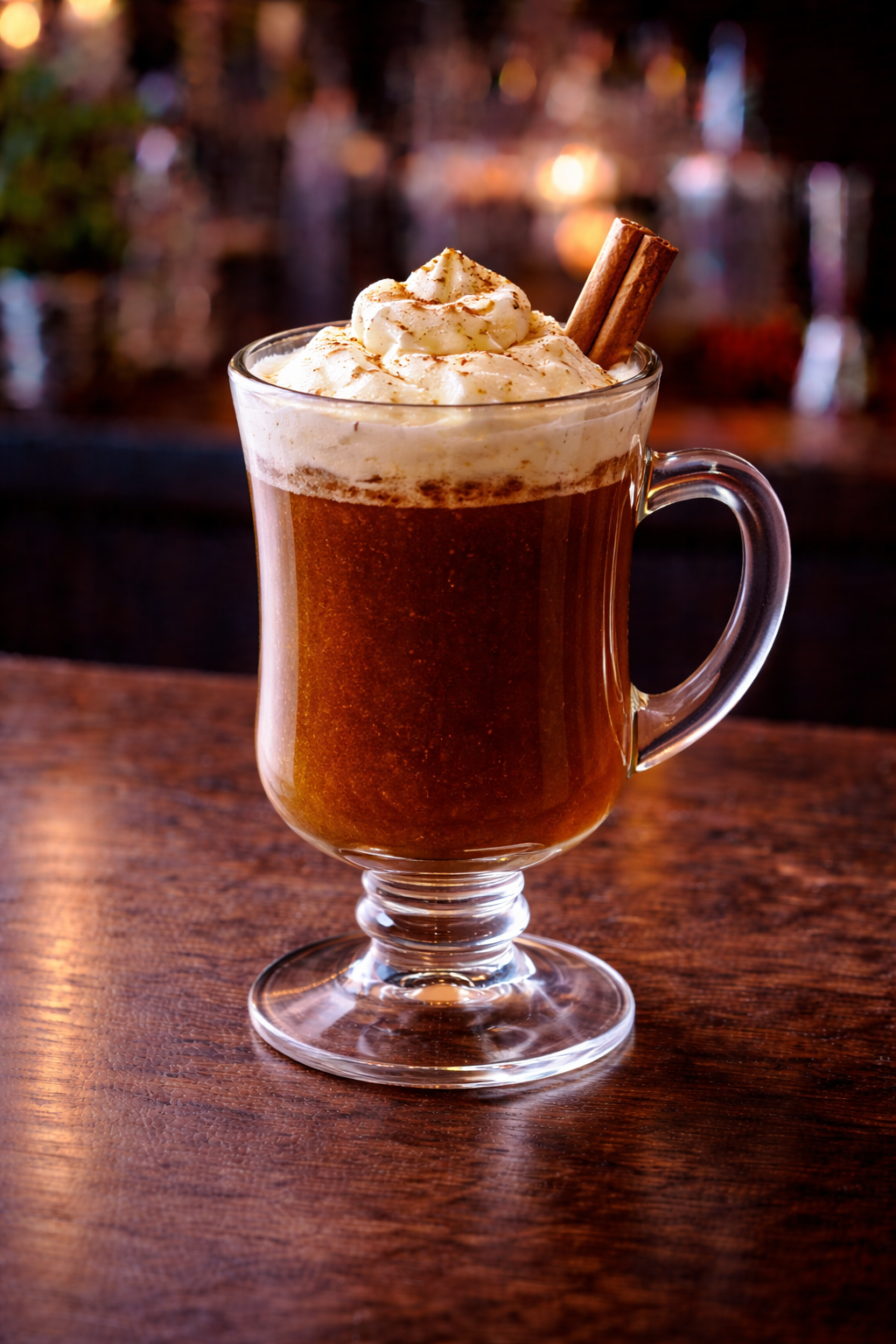
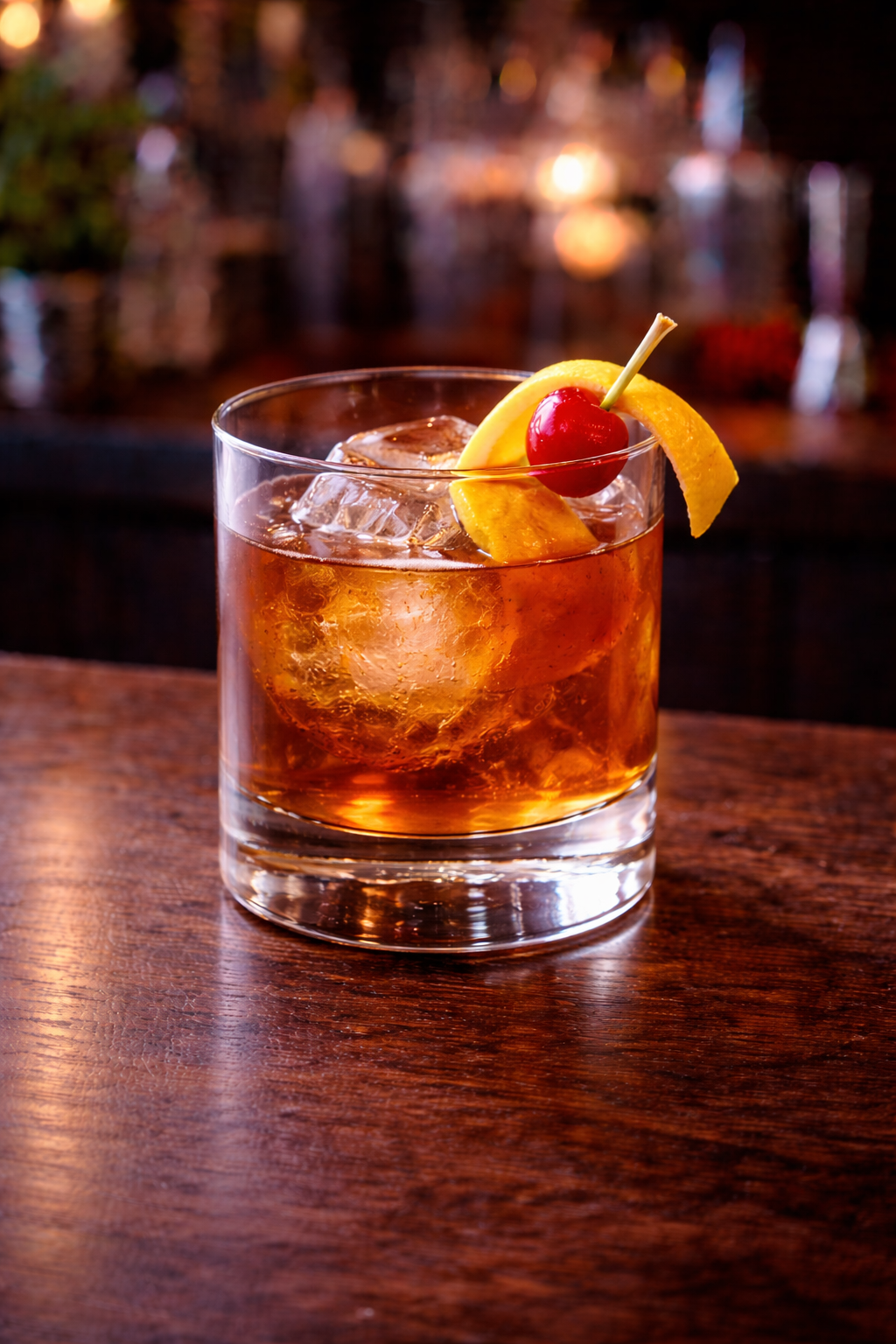
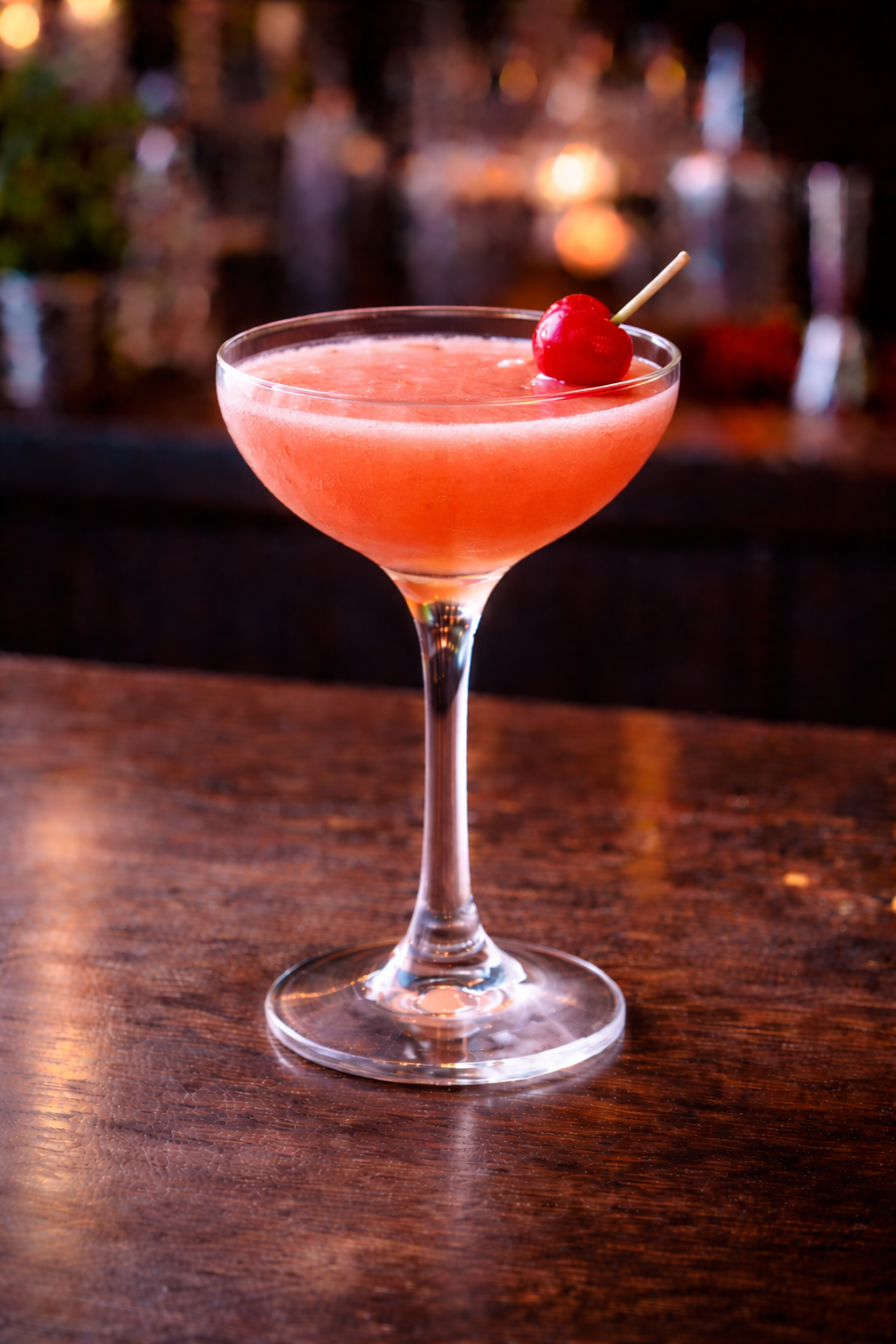

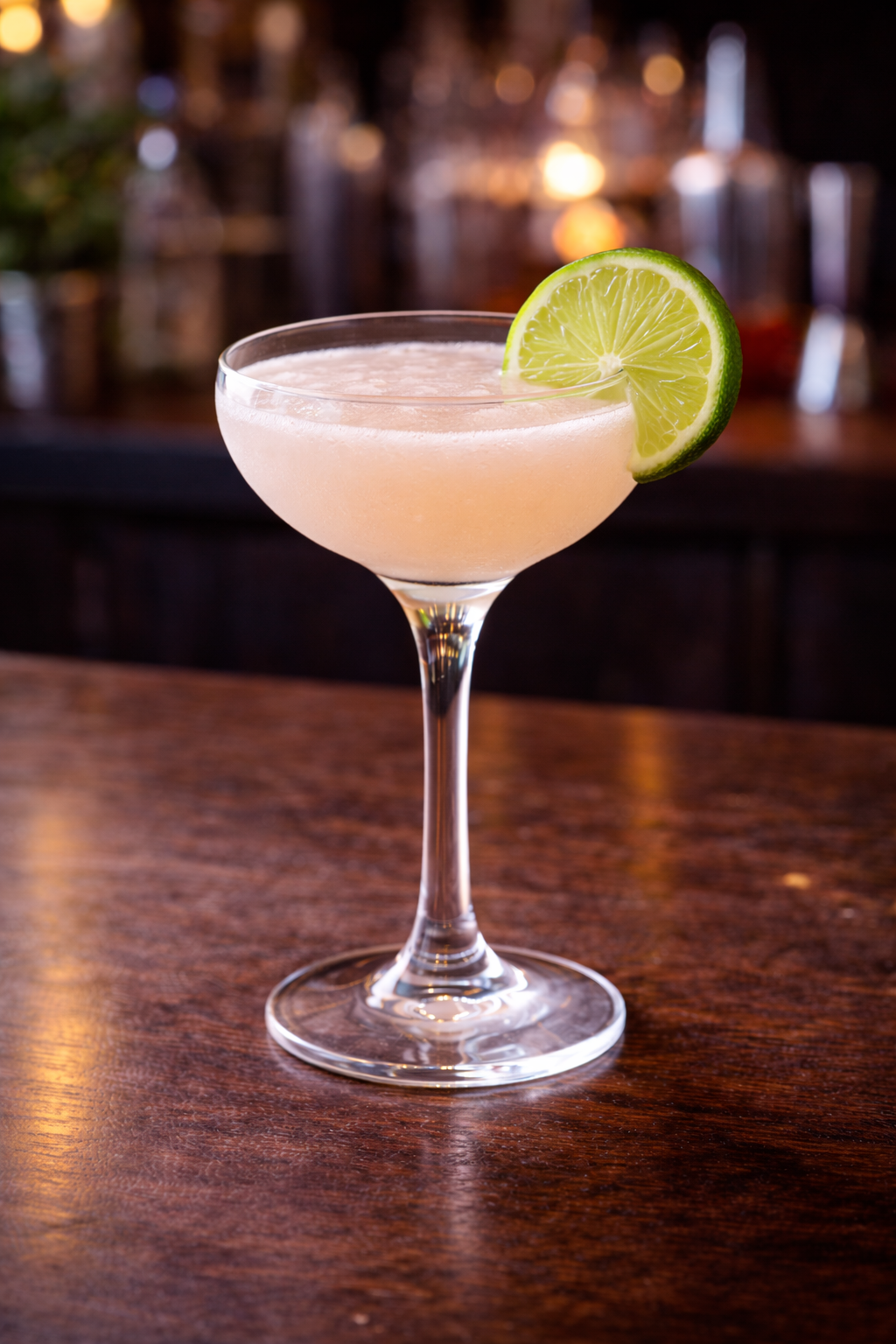
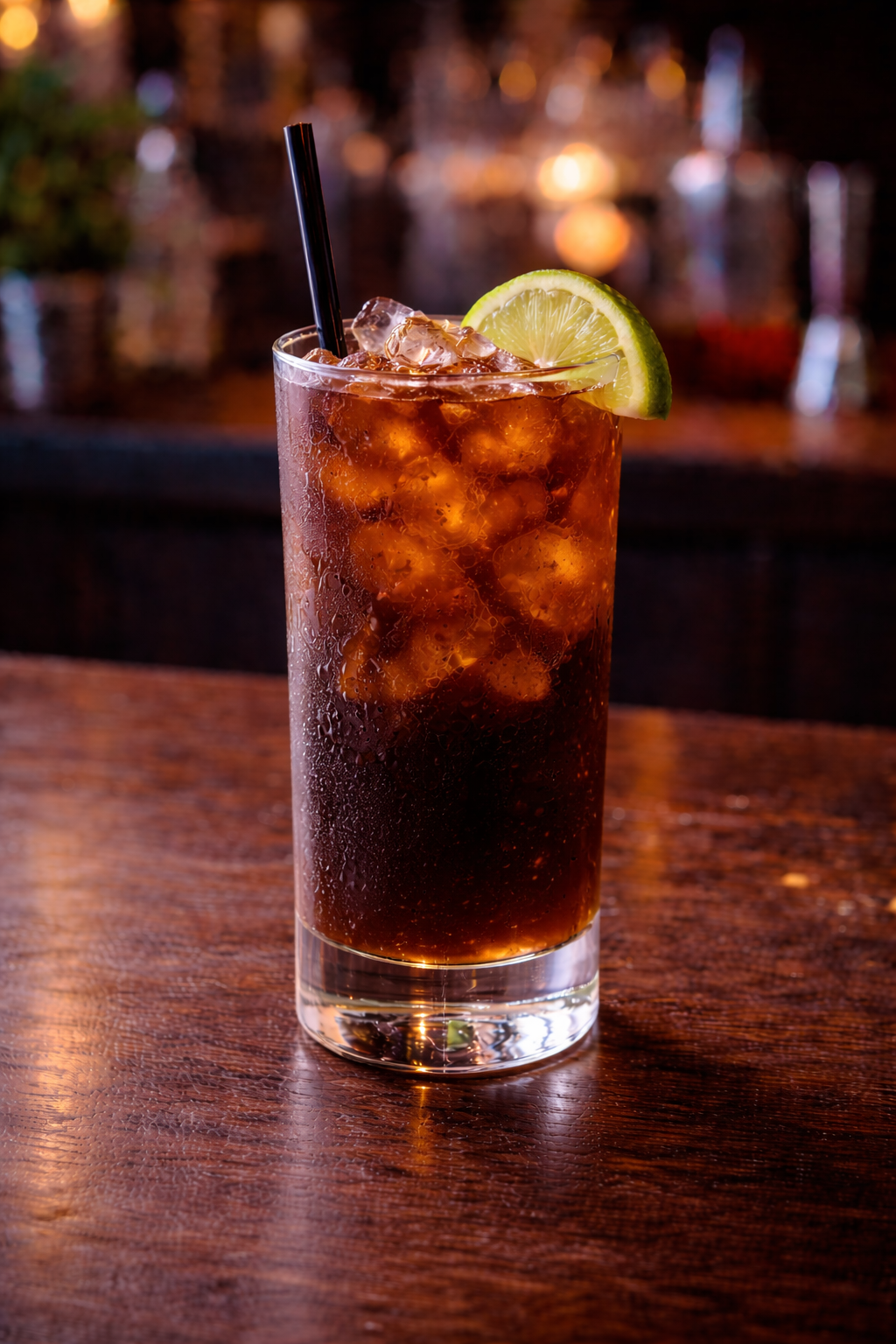
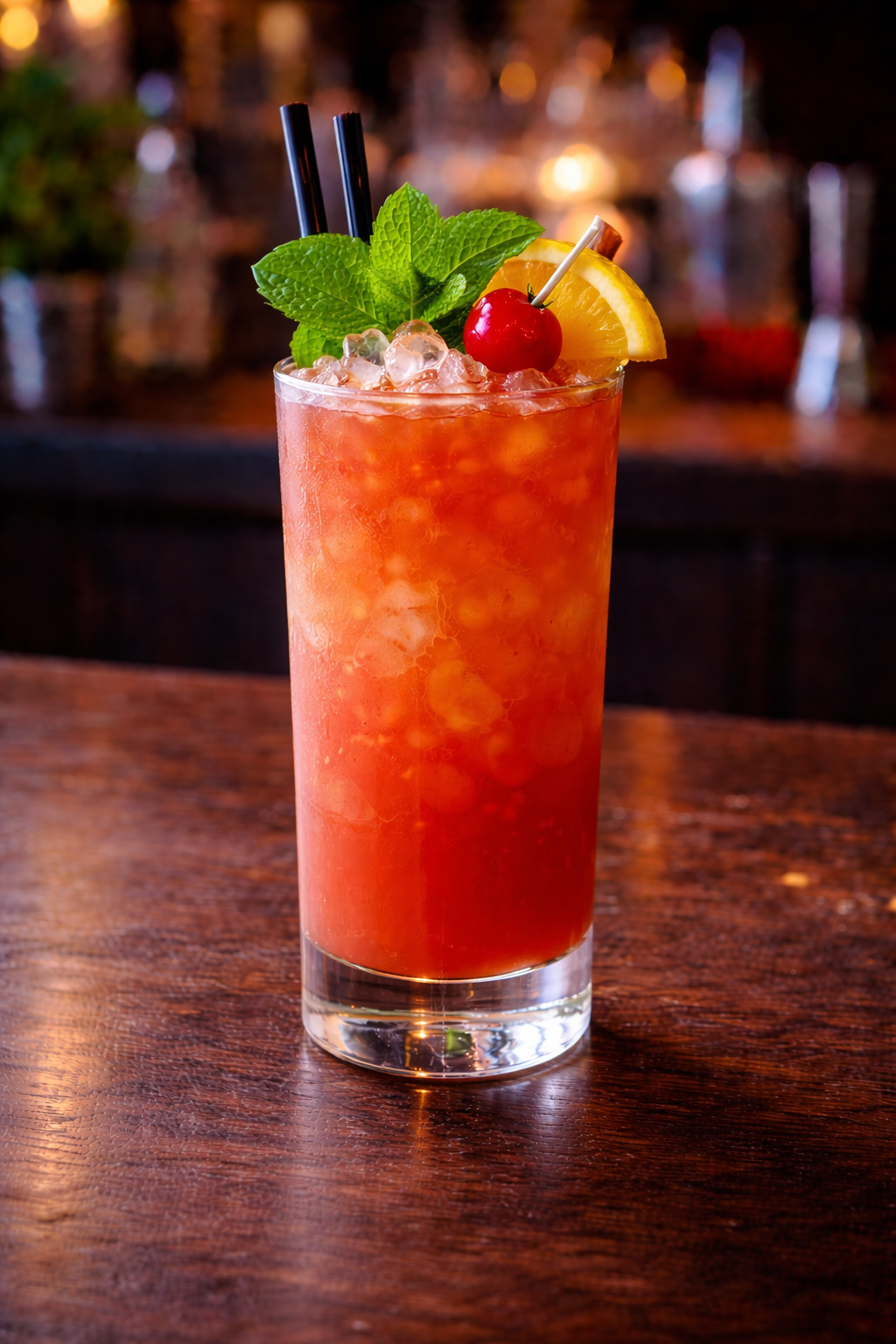
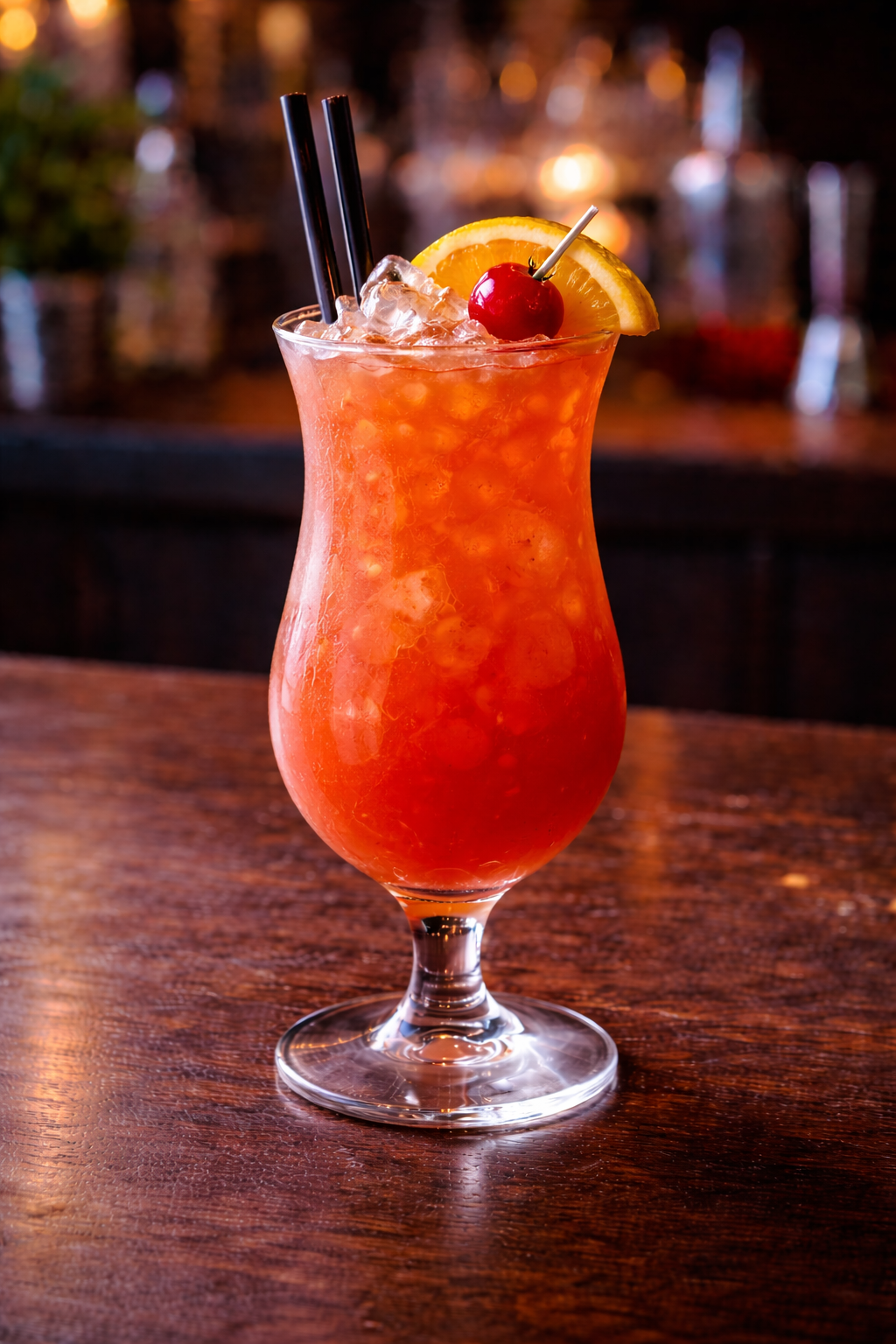
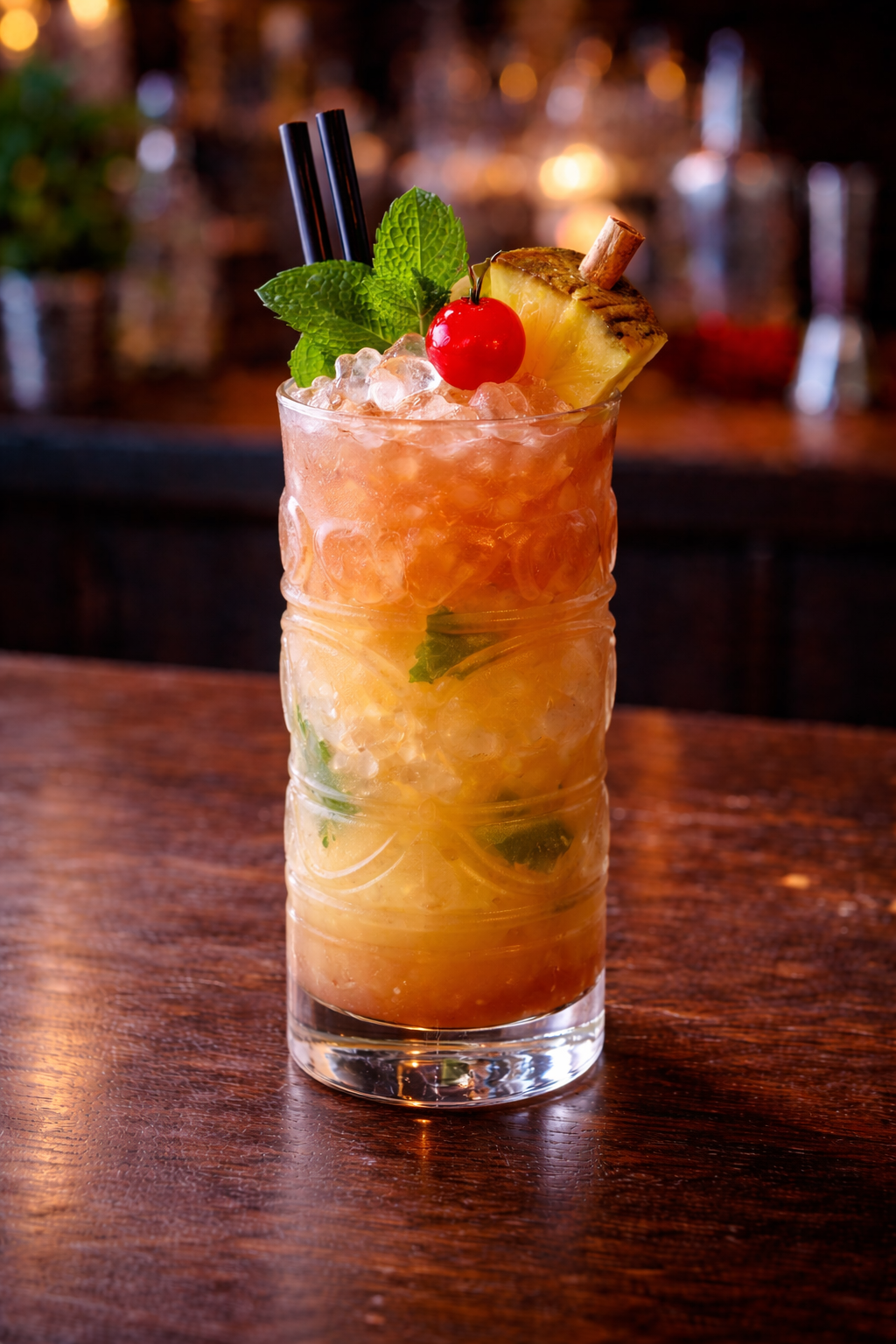
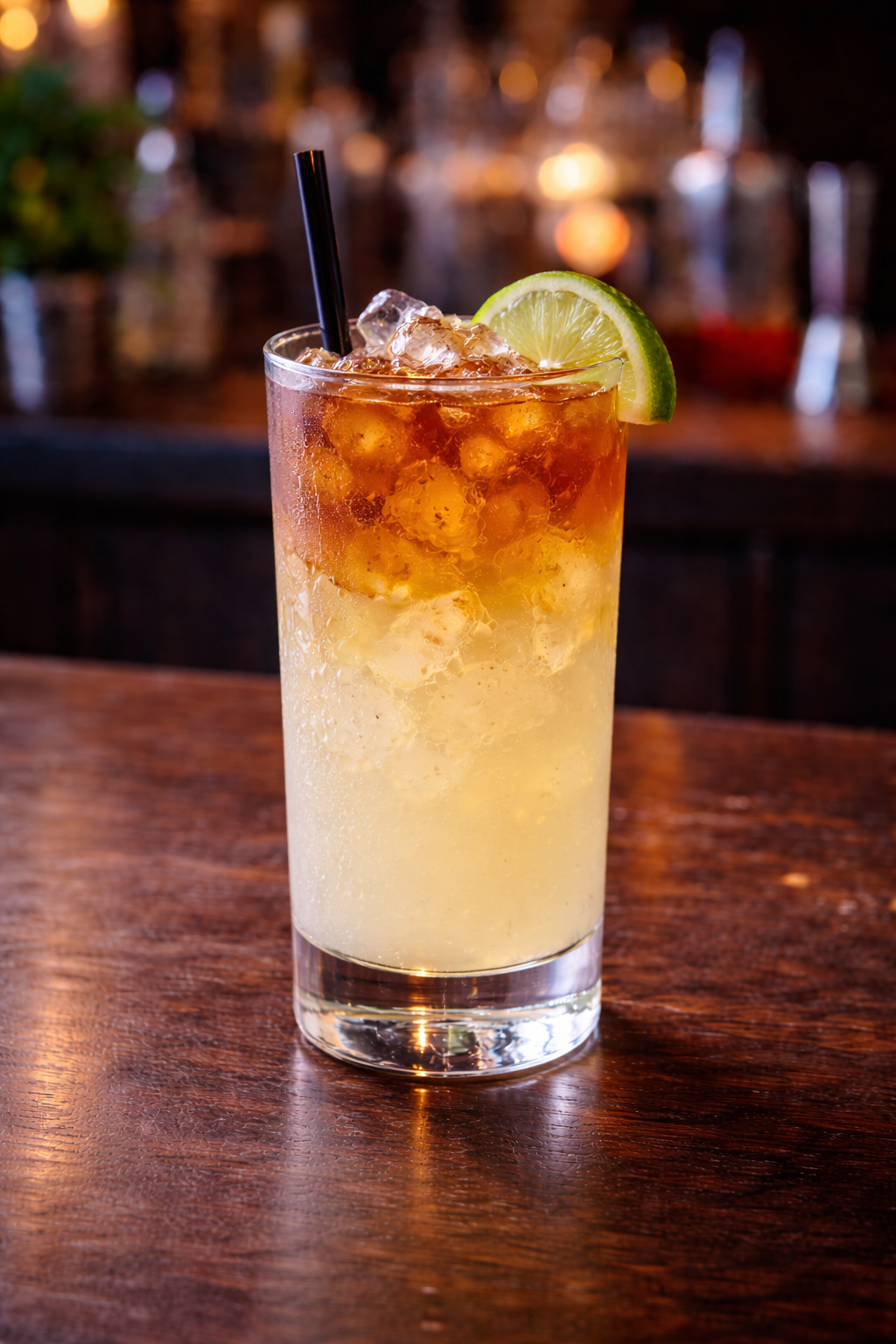
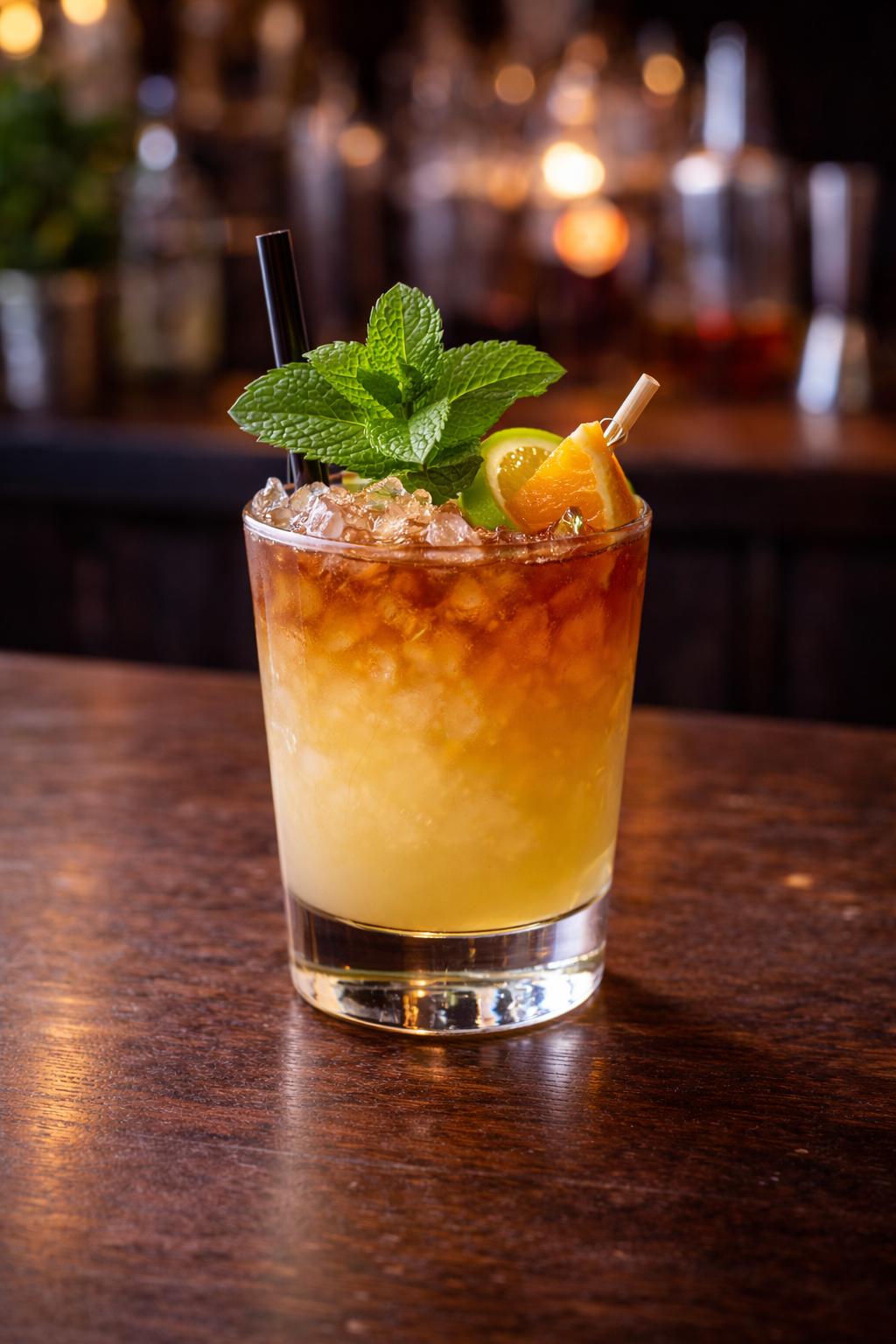
Corn n' Oil is a traditional Barbadian cocktail dating back over 100 years. The earliest written reference appears in Mrs. H. Graham Yearwood's 1911 book "West Indian and Other Recipes."
Dr. Funk originated with German physician Bernhard Funk who arrived in Samoa in 1879. His original medicinal tonic was absinthe, lime, grenadine, and soda water served to Robert Louis Stevenson.
The Jet Pilot was created around 1958 by Stephen Crane at his Luau restaurant in Beverly Hills. This cocktail evolved from Donn Beach's 1941 Test Pilot with added grapefruit juice and cinnamon syrup.
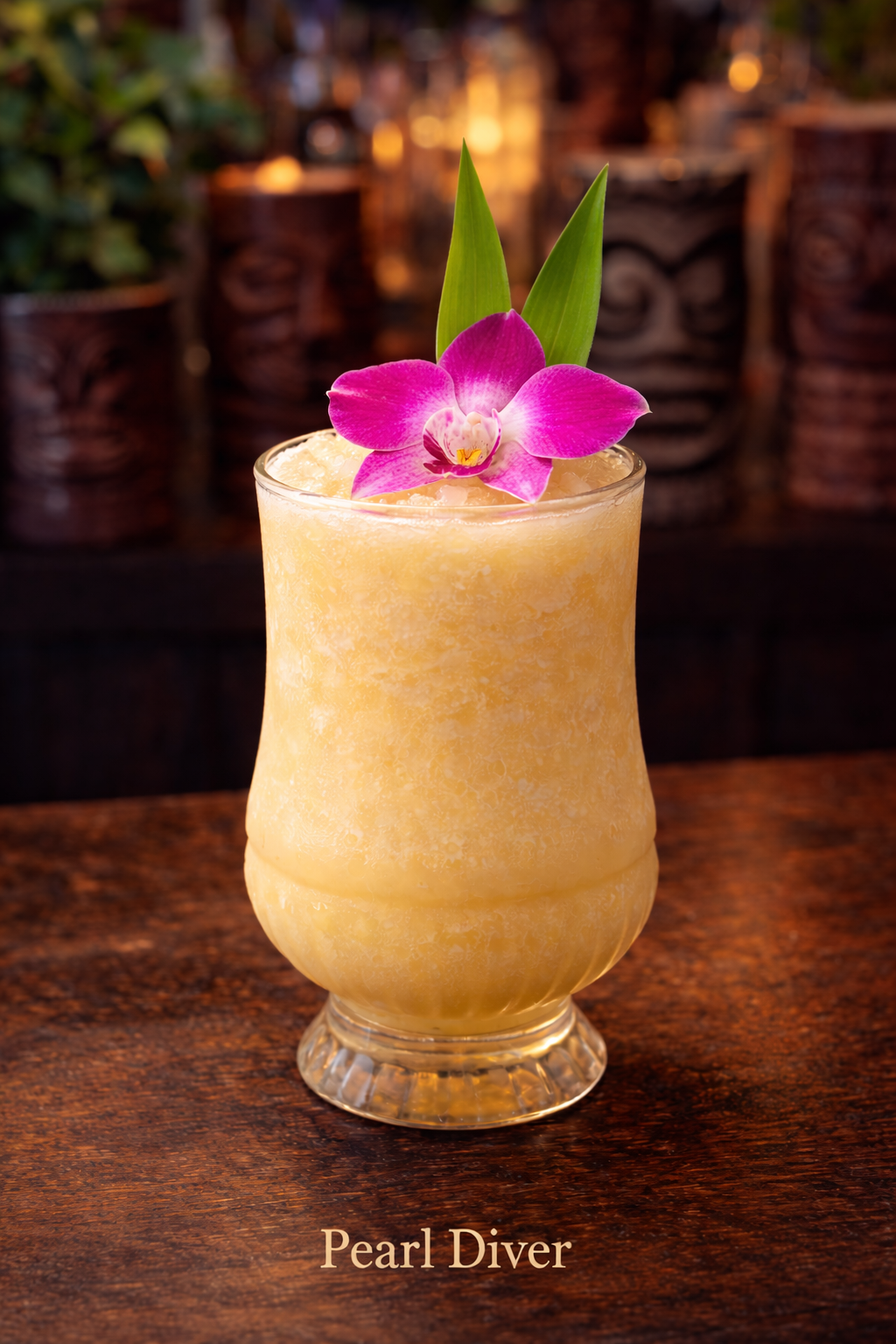
The Pearl Diver was created around 1937 by Donn Beach at Don the Beachcomber in Hollywood. Originally called Pearl Diver's Punch, the recipe remained secret until recovered from Dick Santiago's coded notebook.
The Fog Cutter was created by Victor "Trader Vic" Bergeron in the 1940s and first published in his 1946 Book of Food and Drink. Known for combining rum, brandy, gin, and sherry in one potent cocktail.
Three Dots and a Dash was created during World War II by Donn Beach (Ernest Raymond Beaumont Gantt) at Don the Beachcomber. The name represents Morse code for the letter "V" symbolizing Victory.
The Scorpion Bowl was created by Victor "Trader Vic" Bergeron after encountering a similar punch during his 1939 trip to Honolulu. The drink was served at a bar called The Hut using Okolehao, a Hawaiian moonshine.
Rum Punch traces its origins to British East India Company merchants in the 17th century. The word "punch" derives from the Hindi word "panch" meaning five, referencing the traditional five ingredients.
The Bahama Mama's exact origins remain disputed. Bahamian bartender Oswald Greenslade claims he created the cocktail in 1963, but the drink was already popular in the 1950s before his bartending career began.
The Jungle Bird was created by Jeffrey Ong at the Aviary Bar in Kuala Lumpur Hilton, which opened on July 6, 1973 as Malaysia's first five-star hotel. The cocktail served as a welcome drink for hotel guests.
The Rum Swizzle is often called Bermuda's national drink, with roots tracing to Caribbean rum punches of the 18th century. The modern Bermuda version was popularized at the Swizzle Inn in 1932.
The Añejo Highball was created in the late 1990s by Dale DeGroff at the Rainbow Room in New York City. This sophisticated rum cocktail was designed as a tribute to Cuban bartenders of the 1920s and 1930s.
Navy Grog was created circa 1941 by Donn Beach at his Don the Beachcomber restaurant in Hollywood. Inspired by the 18th-century British naval ration, this tiki cocktail features three different rums, lime juice, grapefruit juice, and honey.
The Painkiller was created in the 1970s at the Soggy Dollar Bar on Jost Van Dyke in the British Virgin Islands. The inventor was Daphne Henderson, and the drink originally used Cruzan Rum before Pusser's Rum trademarked the name in 1989.
Hot Buttered Rum dates to colonial America in the 1650s when New England distilleries began producing rum from Caribbean molasses. Colonists added rum to hot drinks like toddies, incorporating butter and spices to create this warming winter beverage.
The Rum Old Fashioned is a variation on the classic Old Fashioned cocktail, substituting aged rum for whiskey. The Old Fashioned formula dates back to the early 1800s, and rum versions appeared in cocktail guides including Trader Vic's 1947 Bartender Guide.
The Mary Pickford cocktail was created in 1920s Havana, Cuba during Prohibition. Named after silent film actress Mary Pickford, it was credited to either bartender Fred Kaufman or Eddie Woelke and first appeared in print in Basil Woon's 1928 book.
El Presidente originated in Cuba during the 1910s and appeared in the 1915 Manual del Cantinero. Named after a Cuban president—either Mario García Menocal or Gerardo Machado—this elegant cocktail became popular during Prohibition when Americans traveled to Havana.
The Hemingway Daiquiri was created at El Floridita in Havana by bartender Constantino Ribalaigua Vert for Ernest Hemingway. Originally called the "Papa Doble," the drink featured double rum and no sugar to accommodate Hemingway's diabetes.
The Cuba Libre originated in early 1900s Cuba following the Spanish-American War. The name means "Free Cuba," the battle cry of Cuban independence fighters. Distinguished from a simple Rum and Coke by the essential addition of fresh lime juice.
Planter's Punch originated in Jamaica and first appeared in print in September 1878 in London's Fun magazine. This classic rum cocktail follows the famous rhyme "one of sour, two of sweet, three of strong, four of weak," referring to lime juice, sugar, rum, and water.
The Hurricane was created in the 1940s at Pat O'Brien's bar in New Orleans' French Quarter. Born from necessity when bar owners were required to purchase large quantities of rum to obtain whiskey, this sweet, potent cocktail became an iconic symbol of New Orleans.
The Zombie was invented in 1934 by Donn Beach at his Hollywood restaurant Don the Beachcomber. This legendary tiki cocktail combines three types of rum with fruit juices and secret ingredients, becoming so potent that Beach limited customers to two per visit.
The Dark 'n' Stormy was created in Bermuda shortly after World War I when British sailors combined Gosling's Black Seal rum with ginger beer. This trademarked cocktail is one of only a handful of legally protected drink recipes worldwide.
The Mai Tai was created in 1944 by Victor "Trader Vic" Bergeron at his Oakland, California restaurant. This tiki cocktail features aged rum, fresh lime juice, orange curaçao, and orgeat syrup, named after a Tahitian phrase meaning "out of this world."
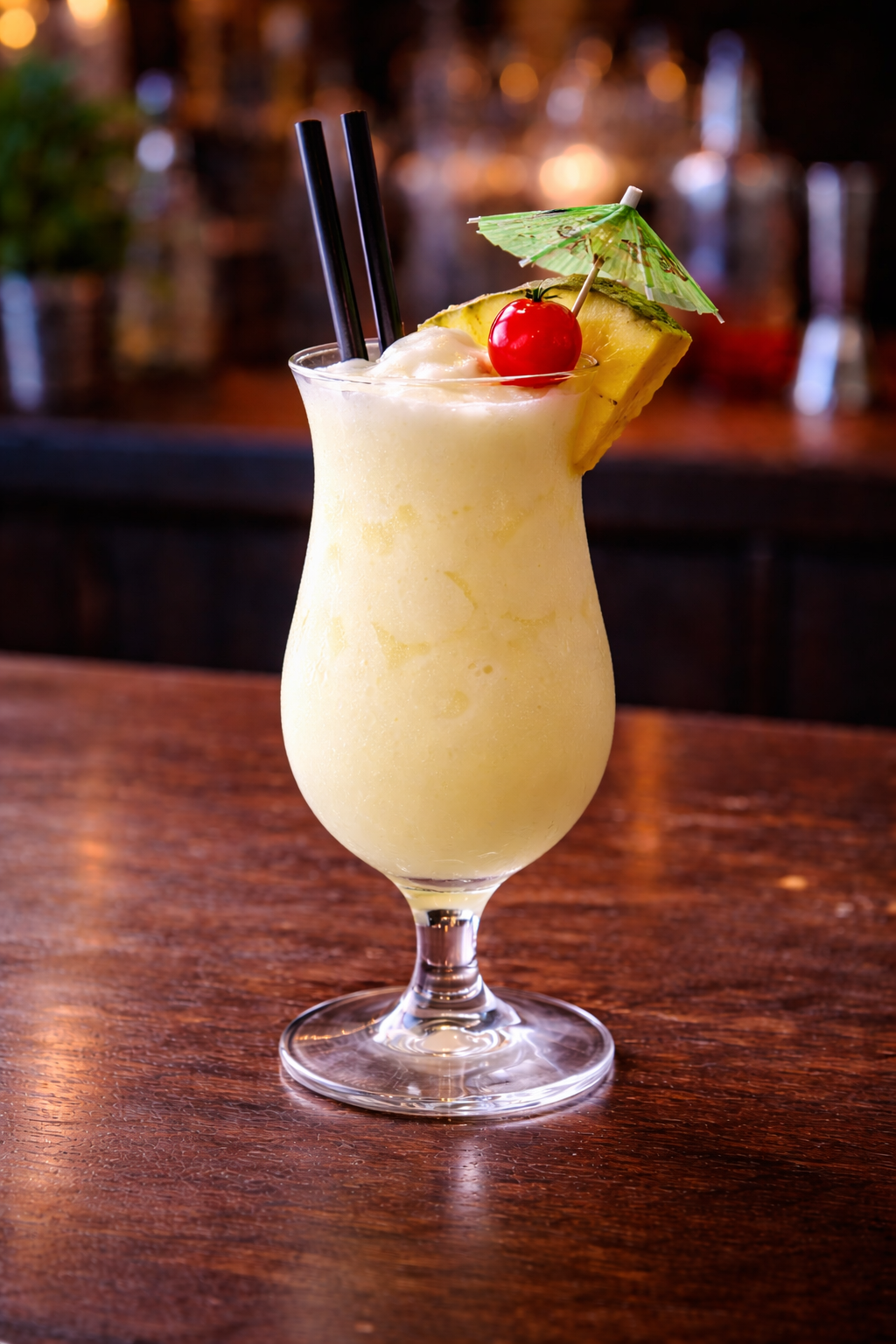
The Piña Colada was created in 1954 by bartender Ramón "Monchito" Marrero at the Caribe Hilton in San Juan, Puerto Rico. This tropical cocktail combines rum, coconut cream, and pineapple juice, becoming Puerto Rico's official drink in 1978.
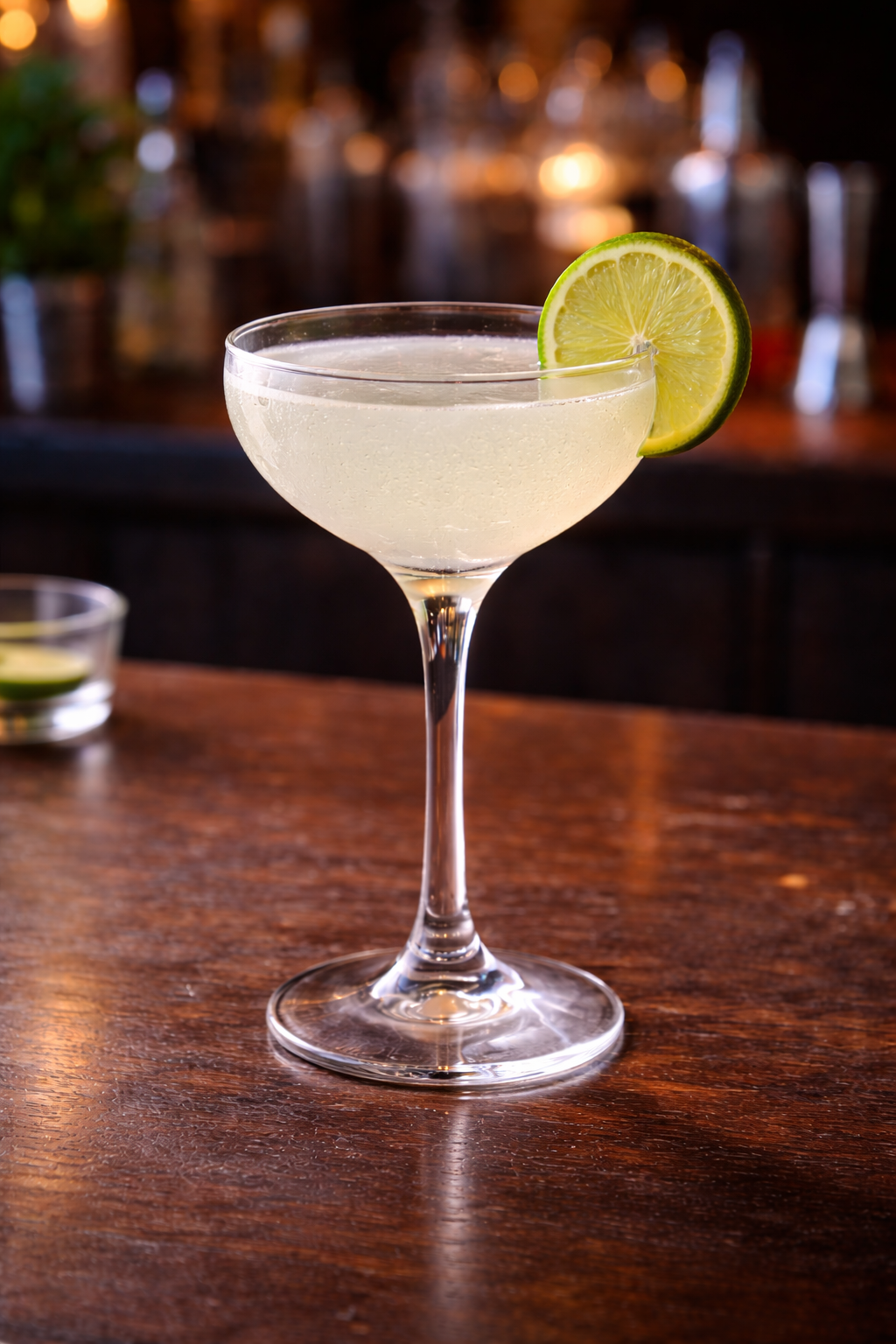
The Daiquiri was invented in 1898 by American mining engineer Jennings Cox near the Cuban village of Daiquirí. This classic cocktail features just three ingredients—white rum, fresh lime juice, and sugar—creating a perfectly balanced sour.
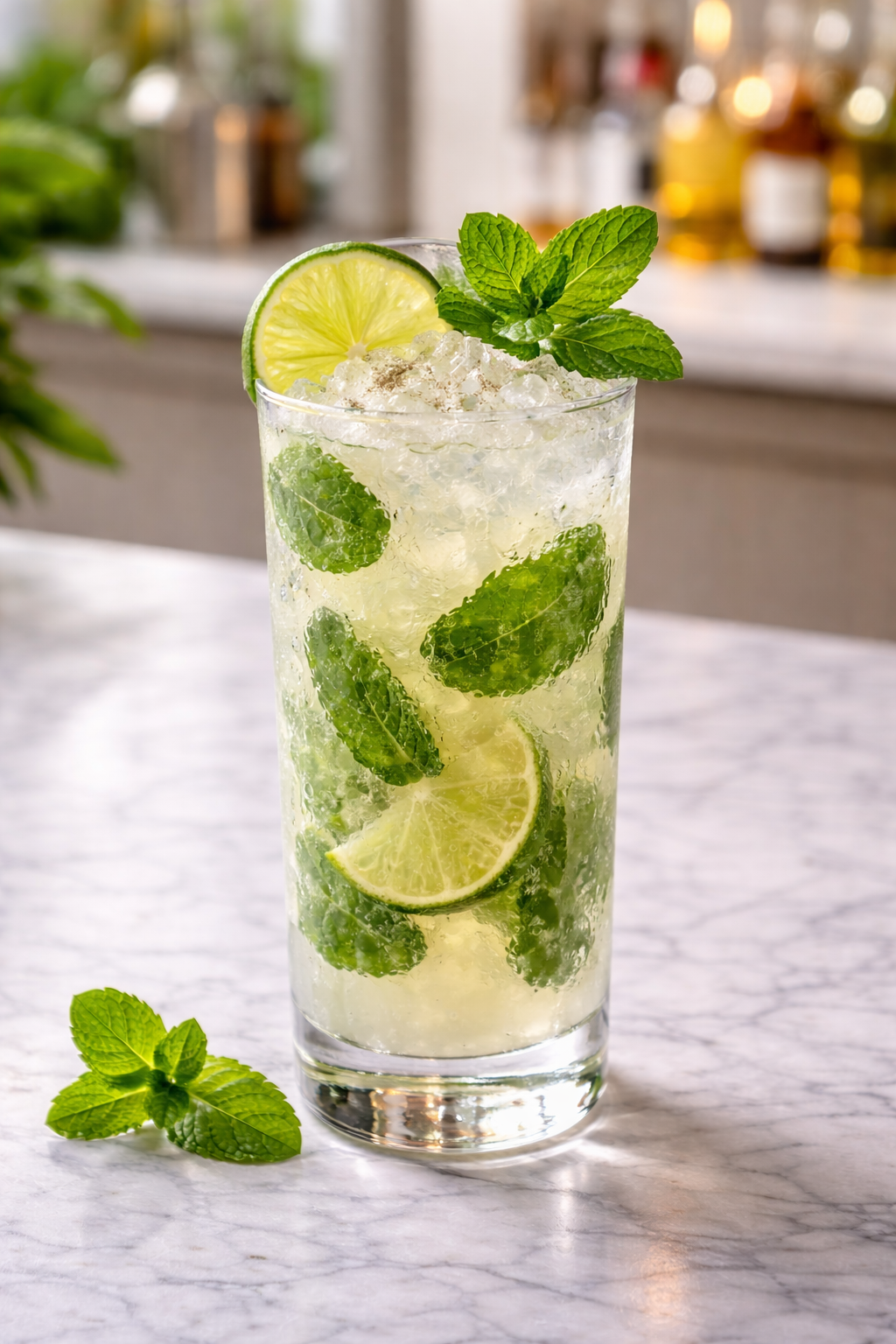
The Mojito is Cuba's most famous cocktail, with origins tracing to the 16th century drink "El Draque." This refreshing highball combines white rum, fresh mint, lime juice, sugar, and soda water, gaining worldwide fame through Havana's bar culture.