
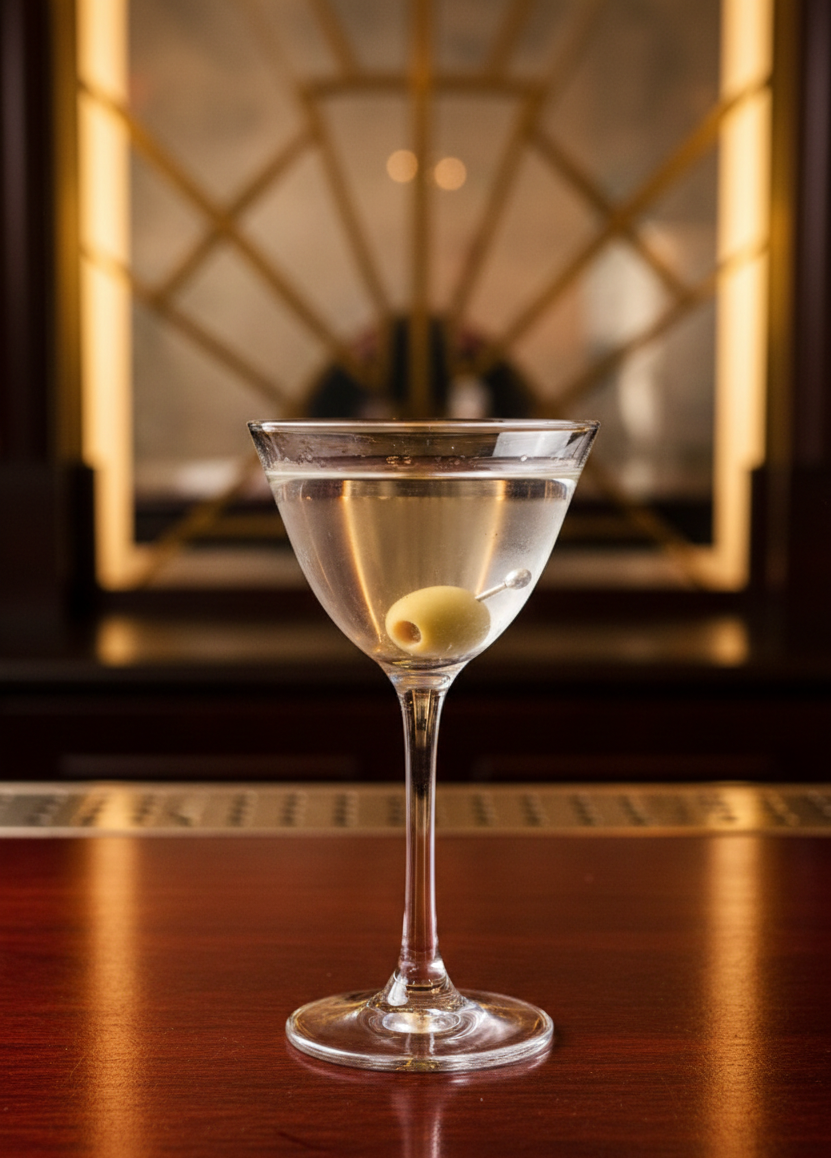
The Nick and Nora Glasses Vintage Shape ENHANCES Cocktails
The Nick and Nora glass is replacing traditional martini glasses in serious cocktail bars. Learn why this vintage shape improves drink presentation and drinking experience.
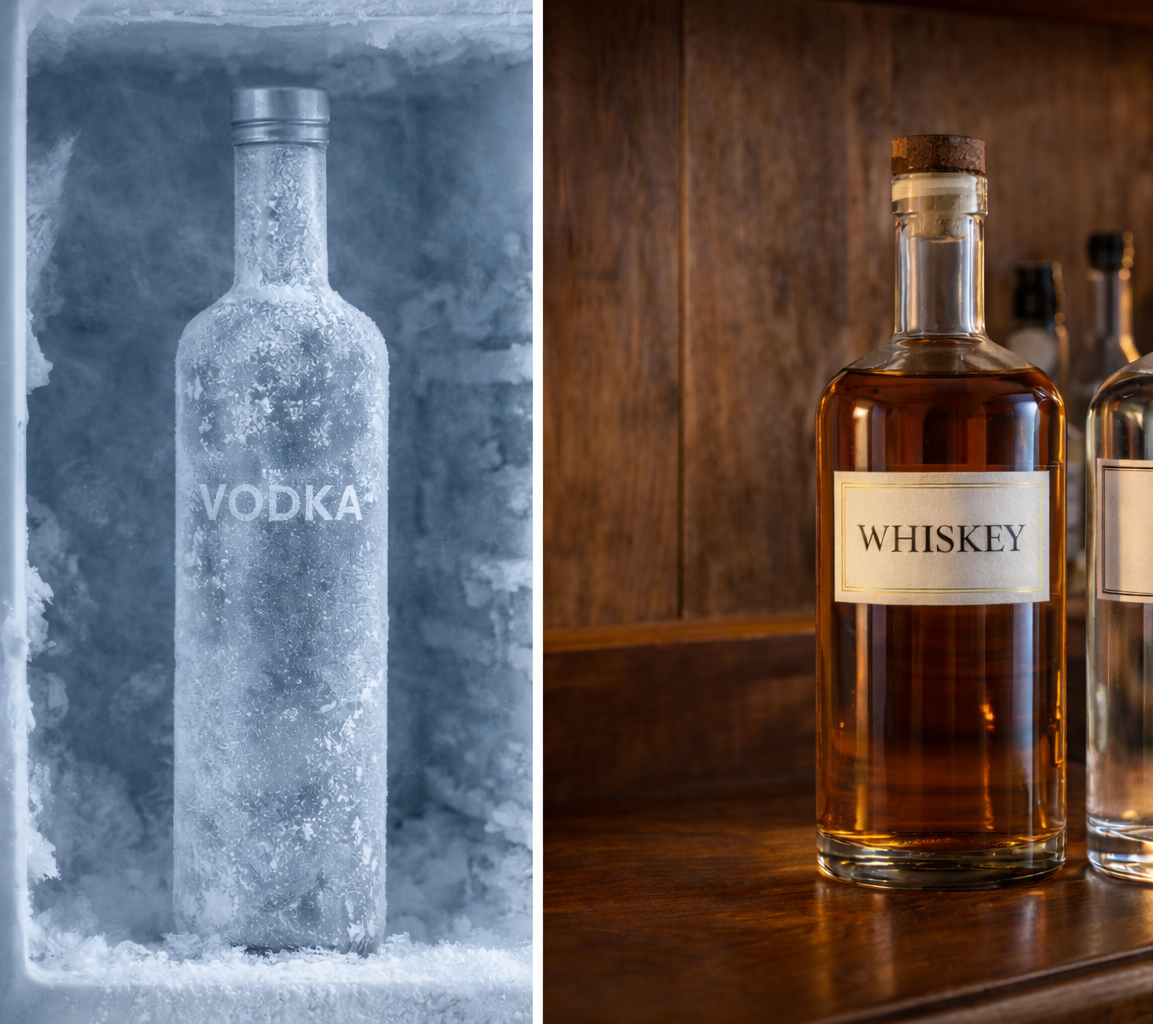
Why Some Bottles Don't Belong in the Freezer
Not all spirits benefit from cold storage. Learn which bottles belong in the freezer and which should stay at room temperature for optimal flavor.
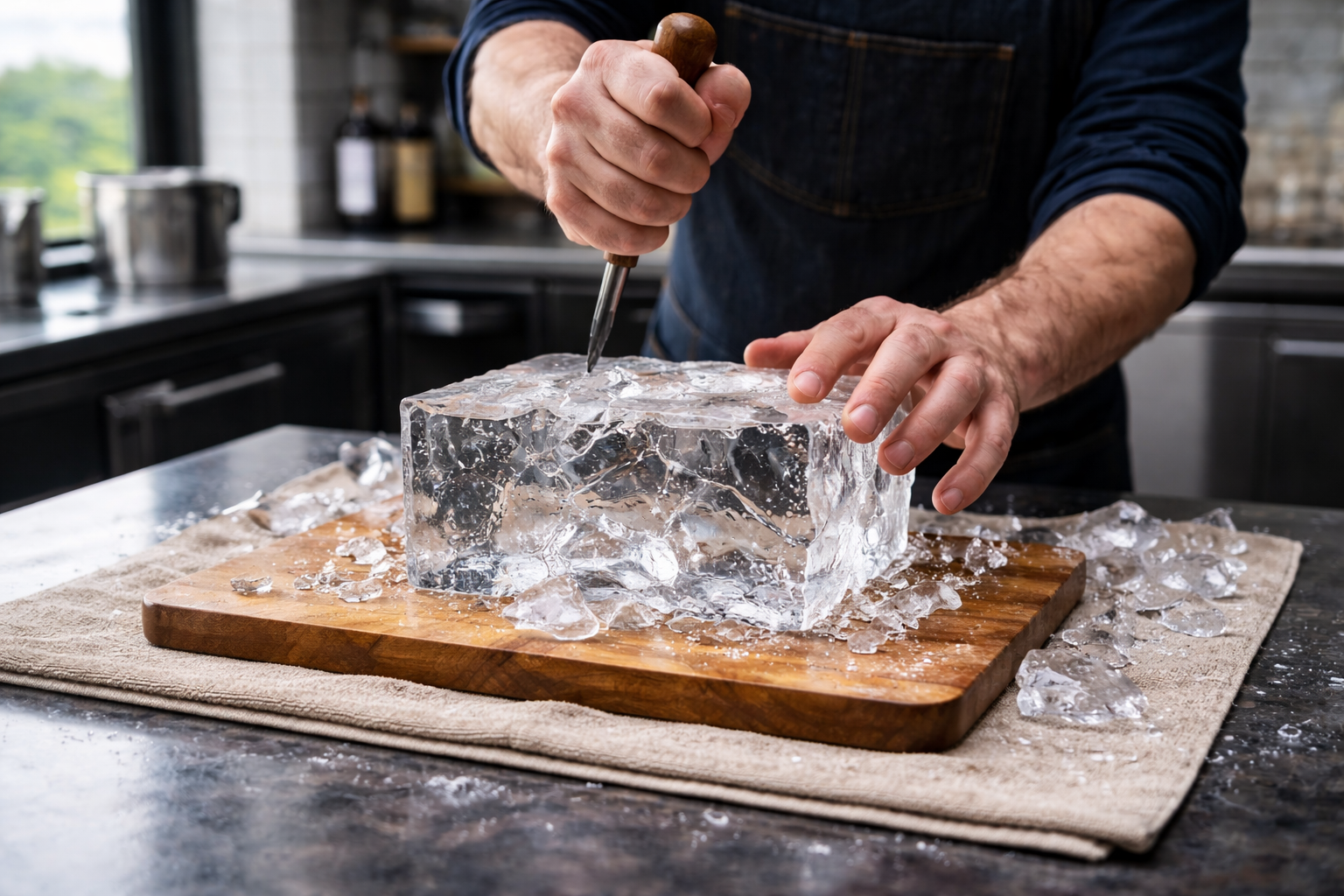
How to Break Down Large Format Ice for Cocktails
Large format ice blocks need to be broken down into usable sizes for different drinks. Learn safe, efficient ice cracking technique using picks and mallets.
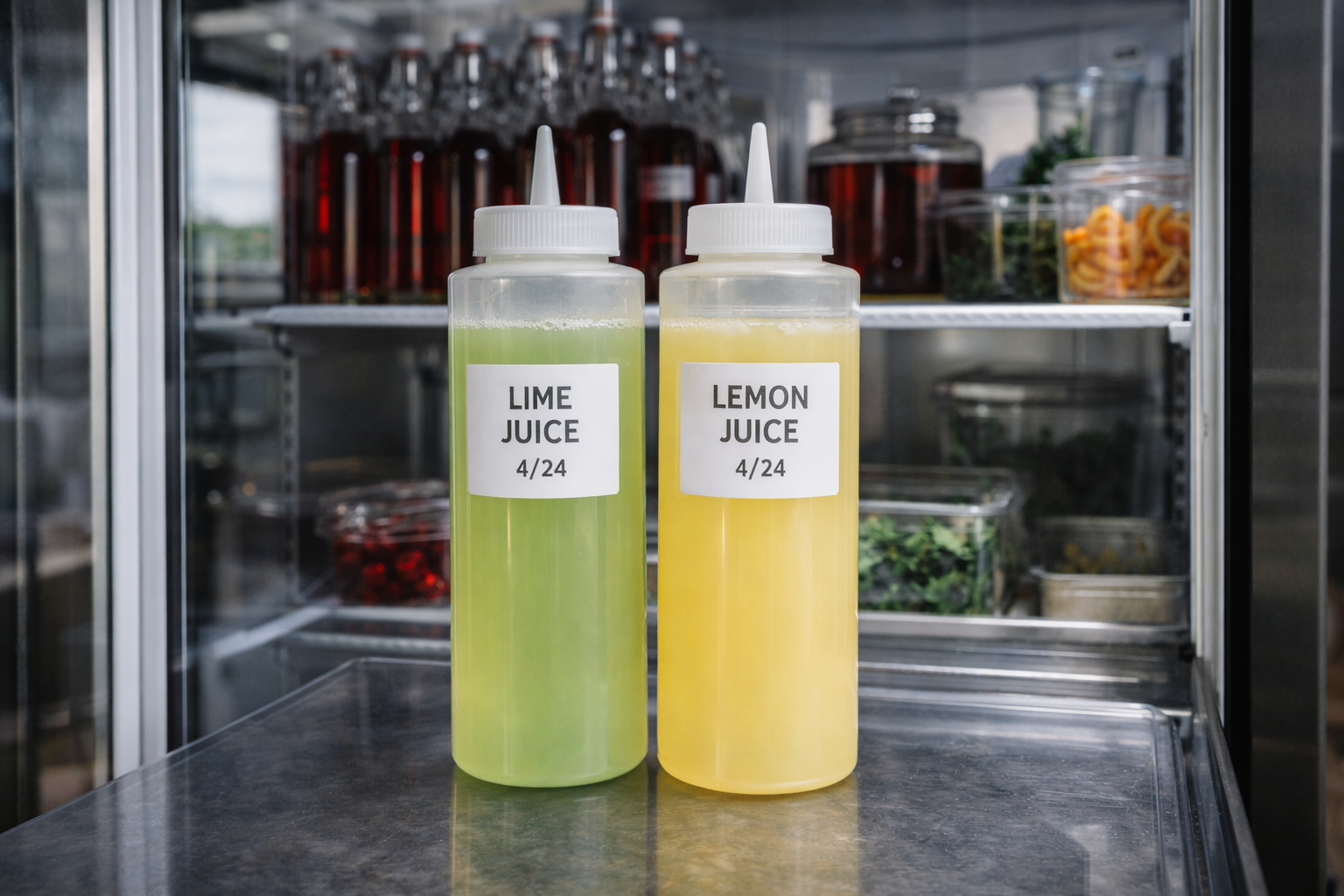
Properly Storing Fresh Citrus Juice: Why Yesterday's Juice Ruins Today's Drinks
Fresh citrus juice oxidizes quickly, losing brightness and developing bitter flavors. Learn proper storage techniques and realistic timelines for maintaining juice quality.
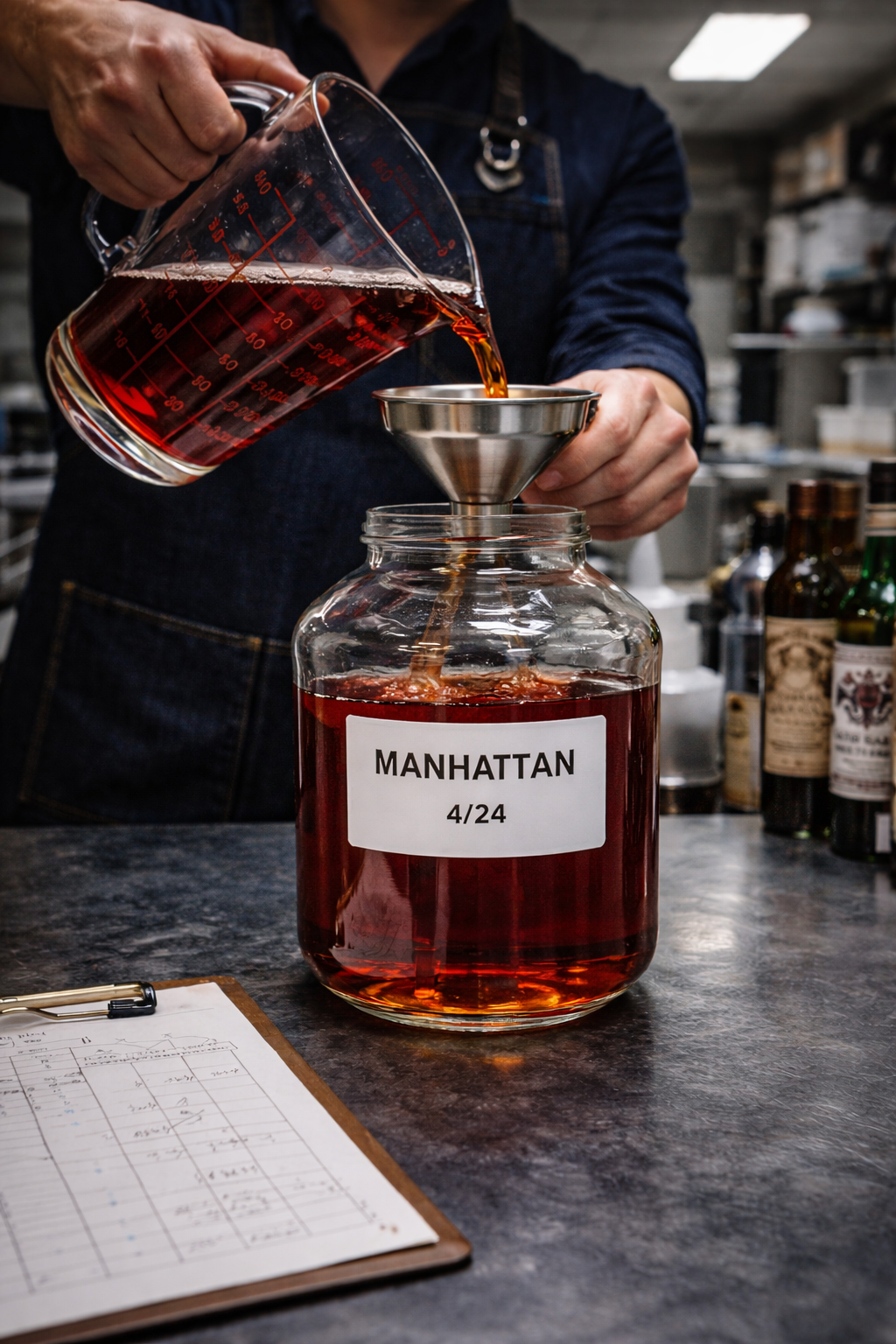
Batching Cocktails, Pre-Mixing for Consistent High-Volume Service
Batching cocktails properly saves time during service while maintaining quality and consistency. Learn how to scale recipes and account for dilution when pre-mixing drinks.

Flaming Citrus Oils: The Dramatic Garnish With Actual Purpose
Flaming citrus oils isn't just showmanship—it caramelizes the oils and creates aromatic compounds that don't exist in regular expression. Learn the technique and when to use it.
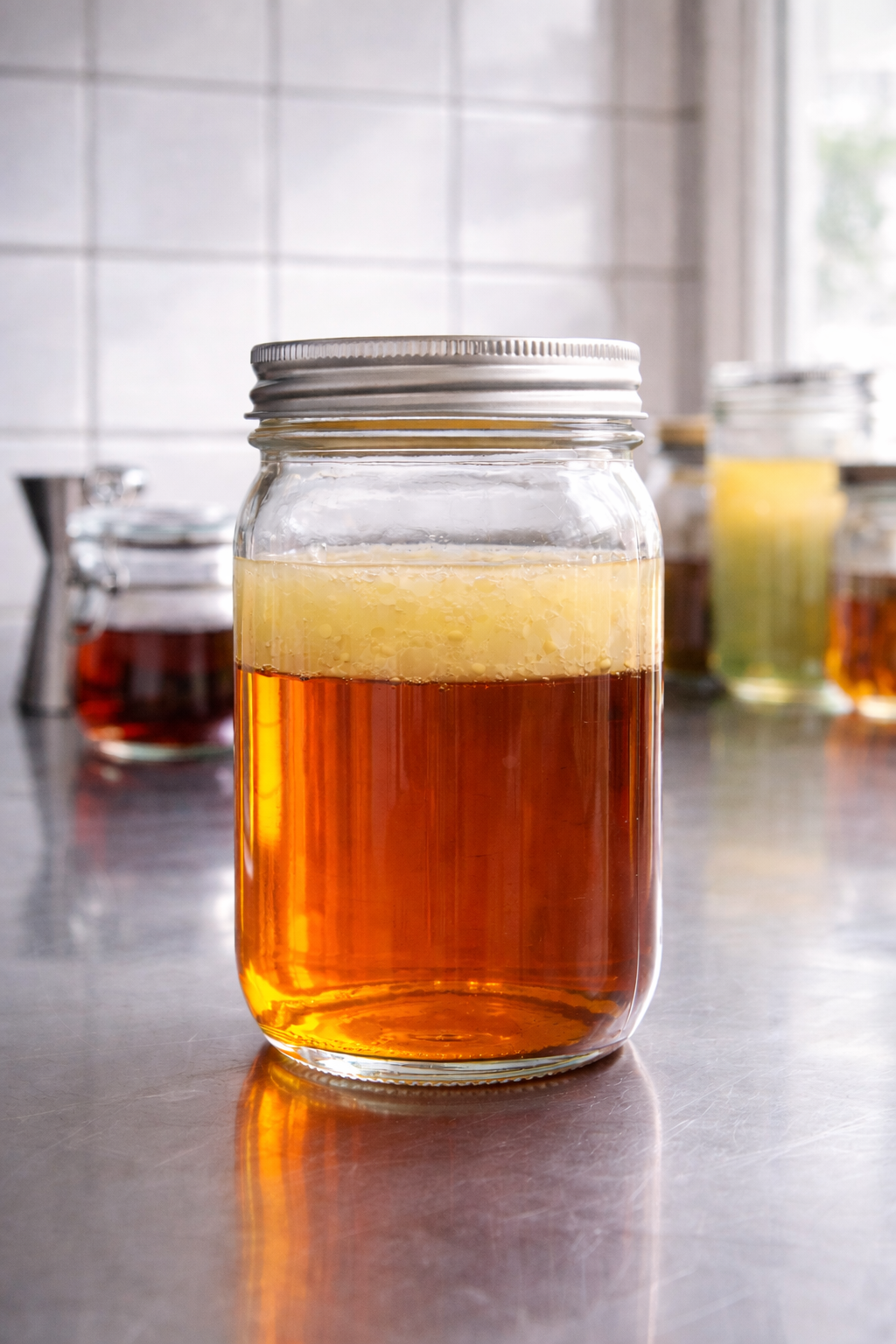
Fat Washing Spirits: Infusing Flavor Through Rendered Fat
Fat washing infuses spirits with rich, savory flavors from bacon, brown butter, or oils without adding greasiness. Learn this advanced technique for creating unique cocktail ingredients.
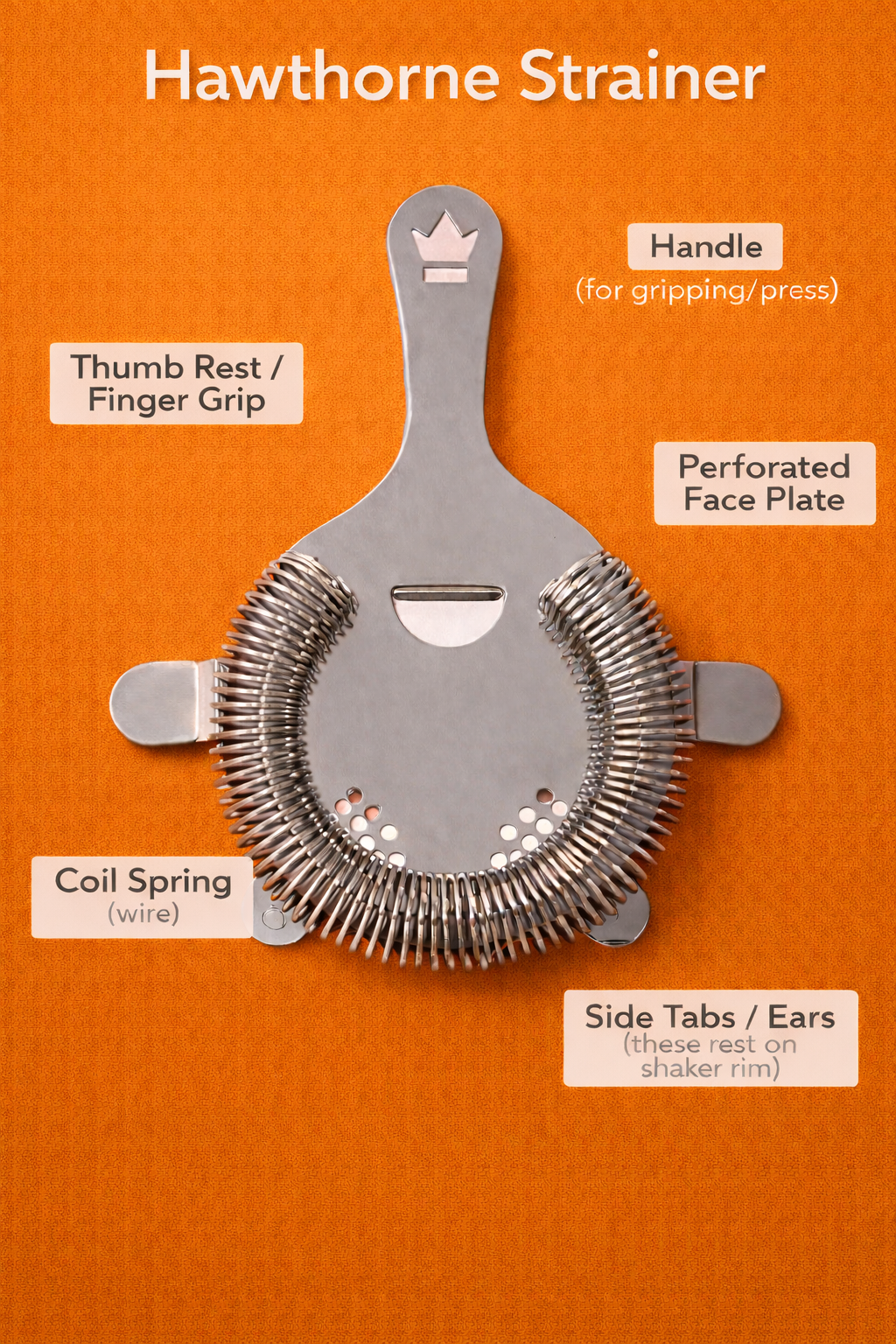
Using a Hawthorne Strainer: The Spring Tension Technique
The Hawthorne strainer is the most commonly used bar tool, but most bartenders don't understand spring tension control. Learn proper technique for different cocktail styles.
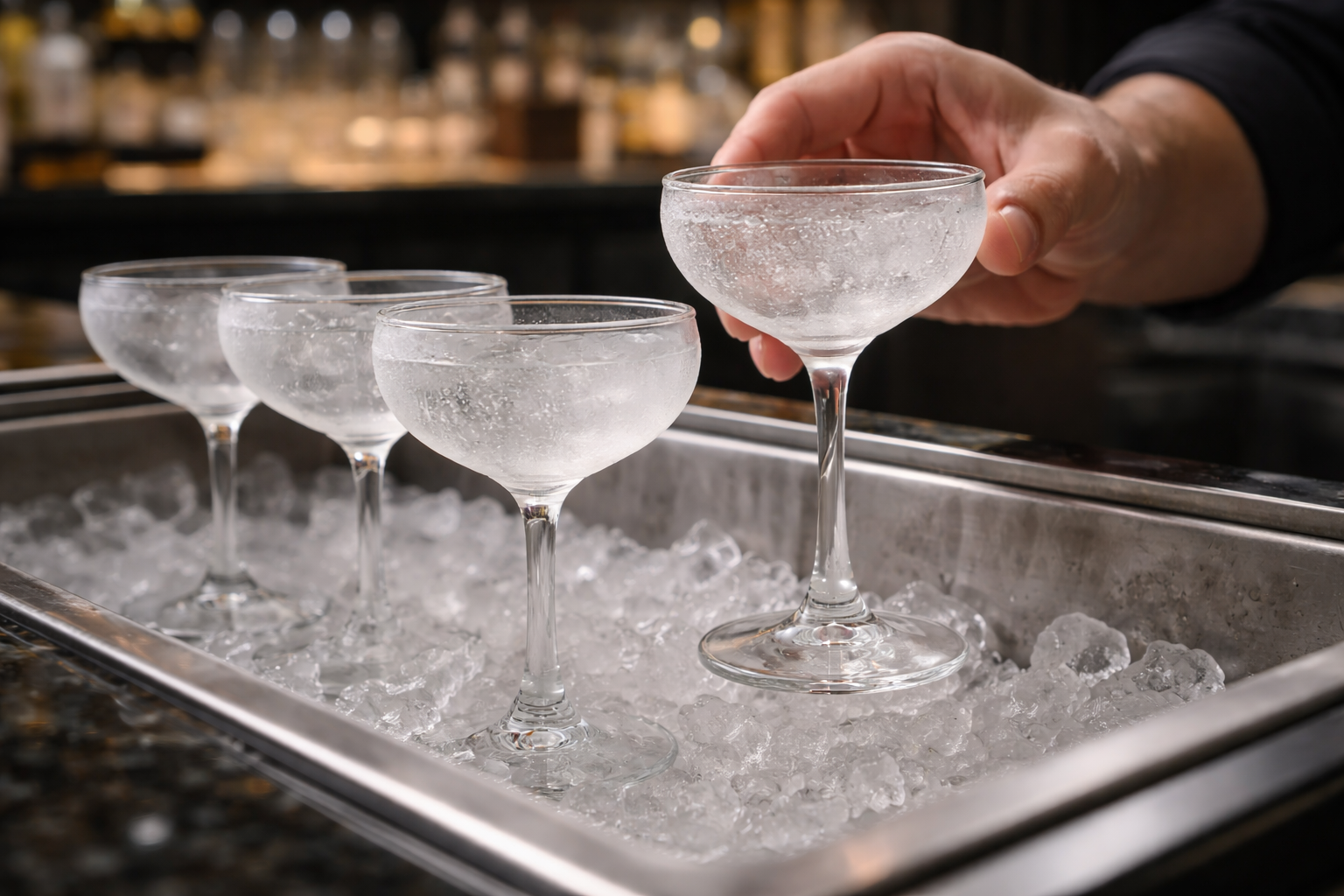
Chilling Glassware: Why Temperature Matters Before You Pour
Warm glassware immediately raises the temperature of a cold cocktail and ruins the drinking experience. Learn proper glass chilling techniques that professional bartenders use.
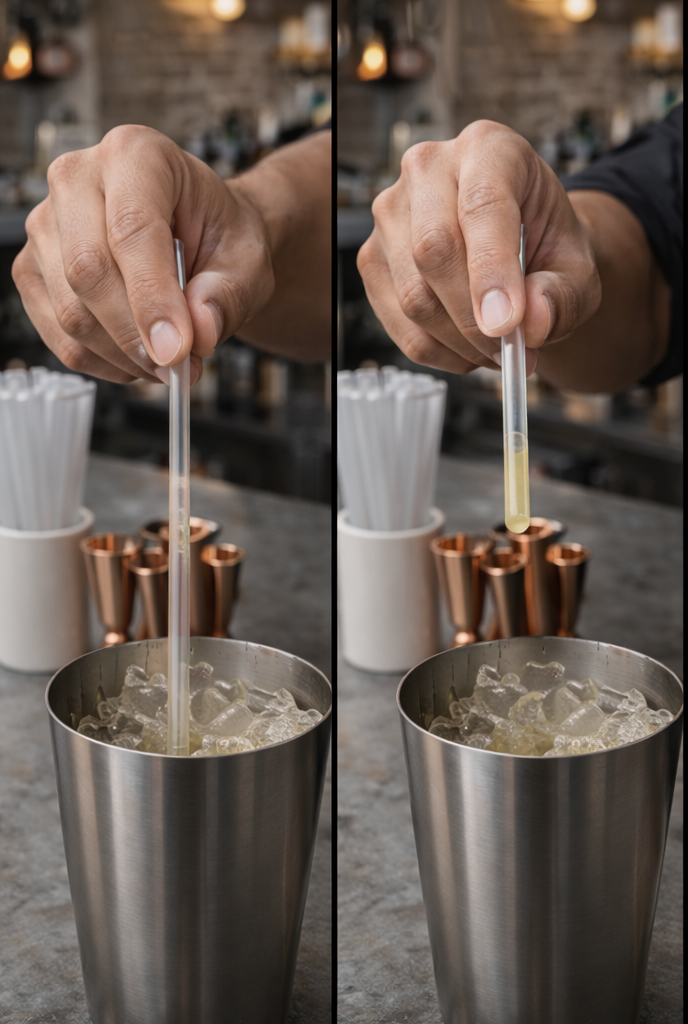
Tasting as You Go: Why Professional Bartenders Sip Before Serving
Professional bartenders taste their cocktails before serving them. Learn proper tasting technique for quality control without contaminating drinks or wasting product.
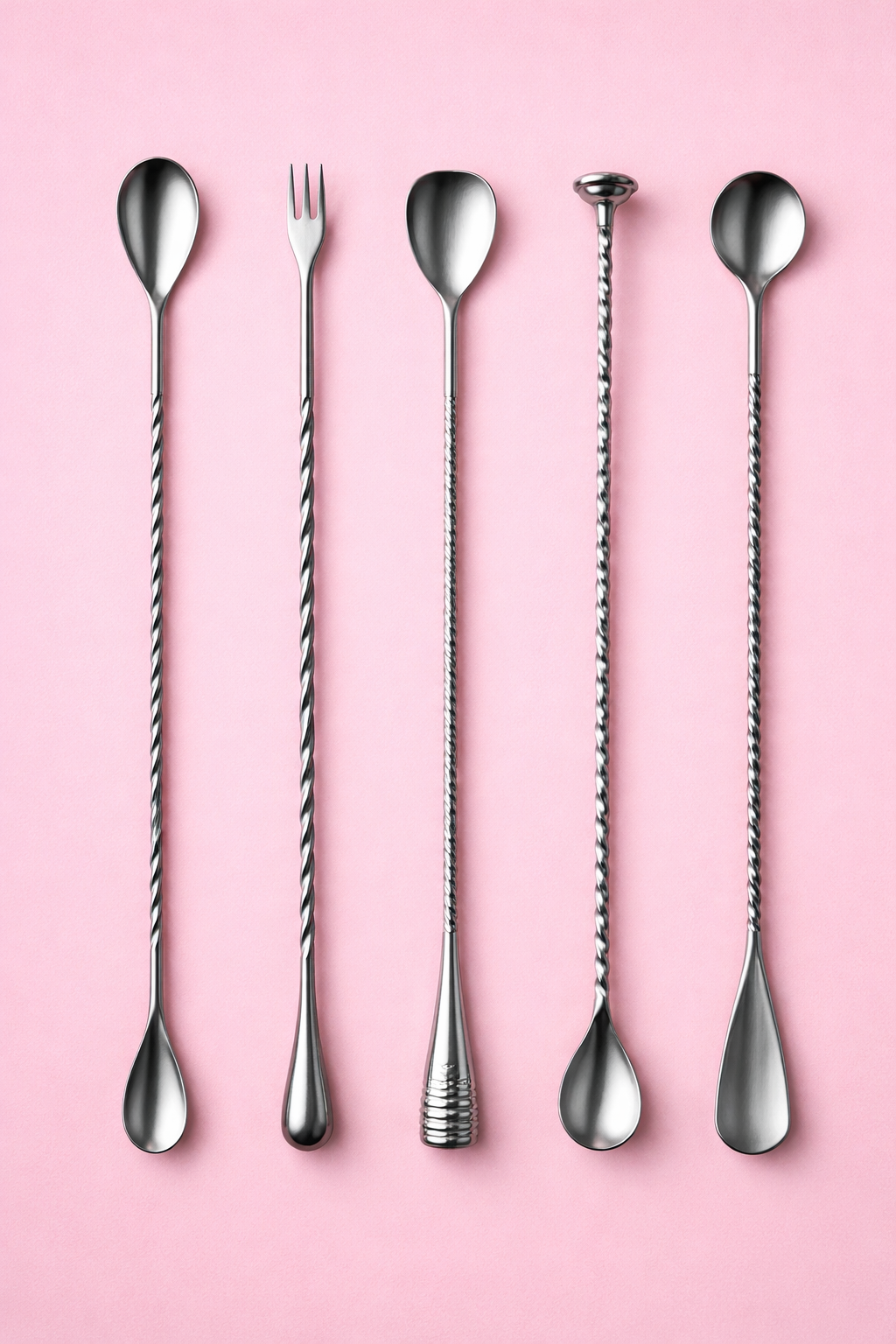
Why Bar Spoons Matter for Precision
Measuring tiny amounts of syrups, liqueurs, and modifiers accurately makes the difference between balanced cocktails and sloppy approximations. Learn proper bar spoon measurement technique.
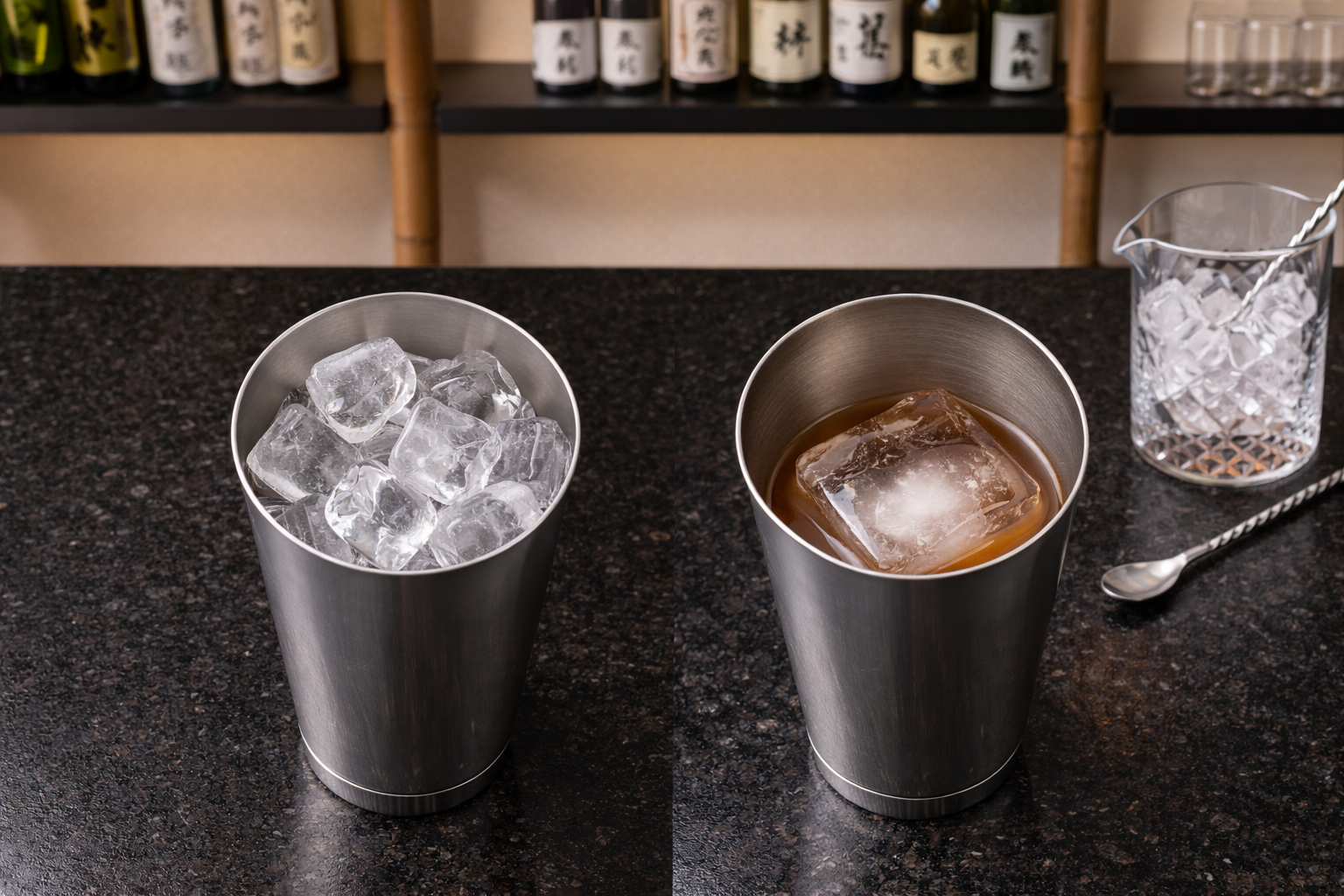
Shaking With One Ice Cube. The Technique That Prevents Over-Dilution
Some cocktails over-dilute with a full shaker of ice. The single ice cube shake controls dilution for delicate drinks that need less water than a standard shake provides.
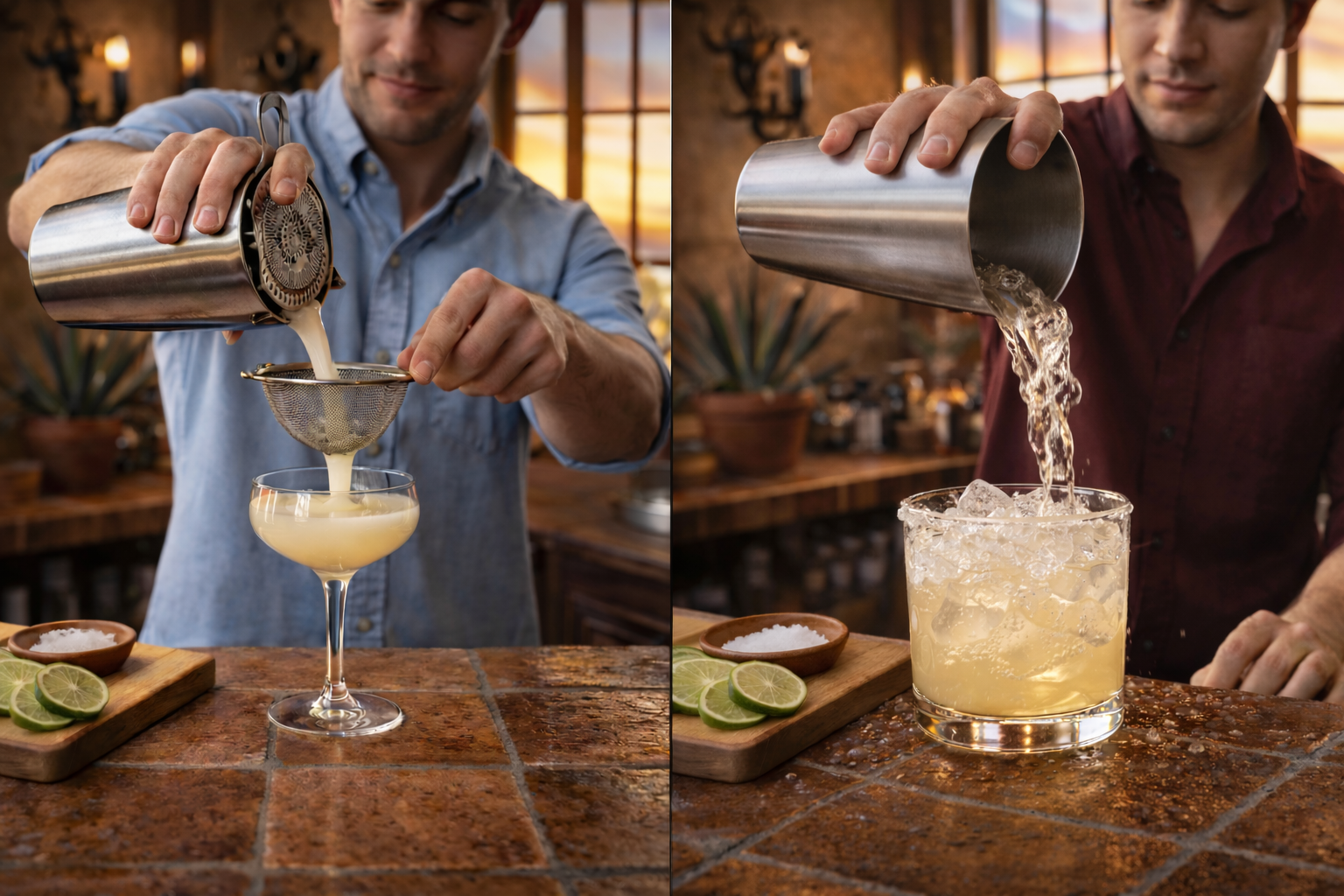
The Dirty Pour: When to Dump Ice Into the Glass
The dirty pour—dumping ice and cocktail together into the glass—has its place, but most bartenders use it incorrectly. Learn when it works and when it ruins the drink.
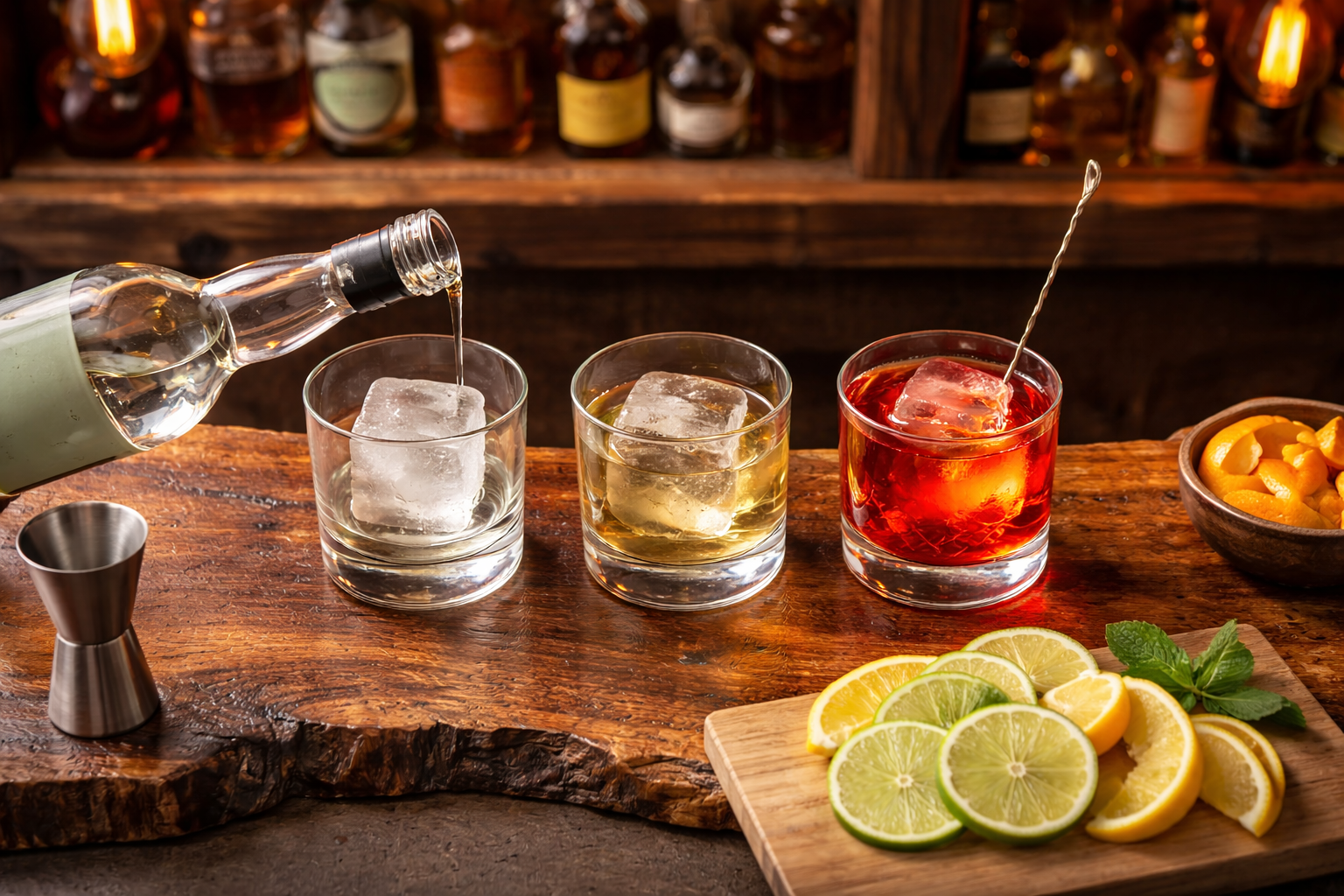
Building Drinks in the Glass: When Not to Use a Shaker
Not every cocktail needs a shaker or mixing glass. Some drinks are meant to be built directly in the serving glass, and knowing which ones matters.
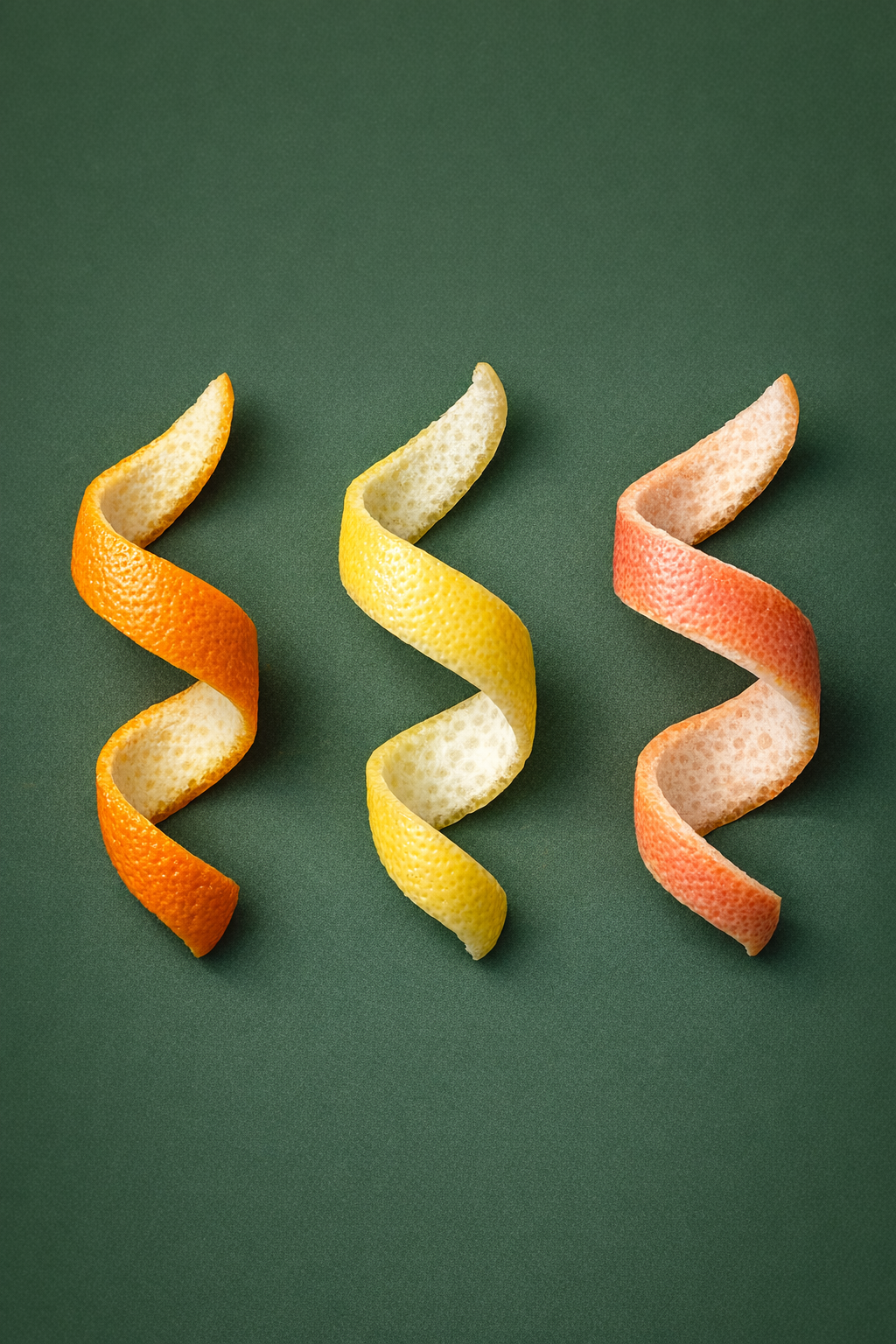
Expressing Citrus Oils: the iceing on the cake
Expressing citrus oils isn't decorative garnishing—it's a finishing technique that adds essential aromatics directly to the drink's surface and changes how it tastes.
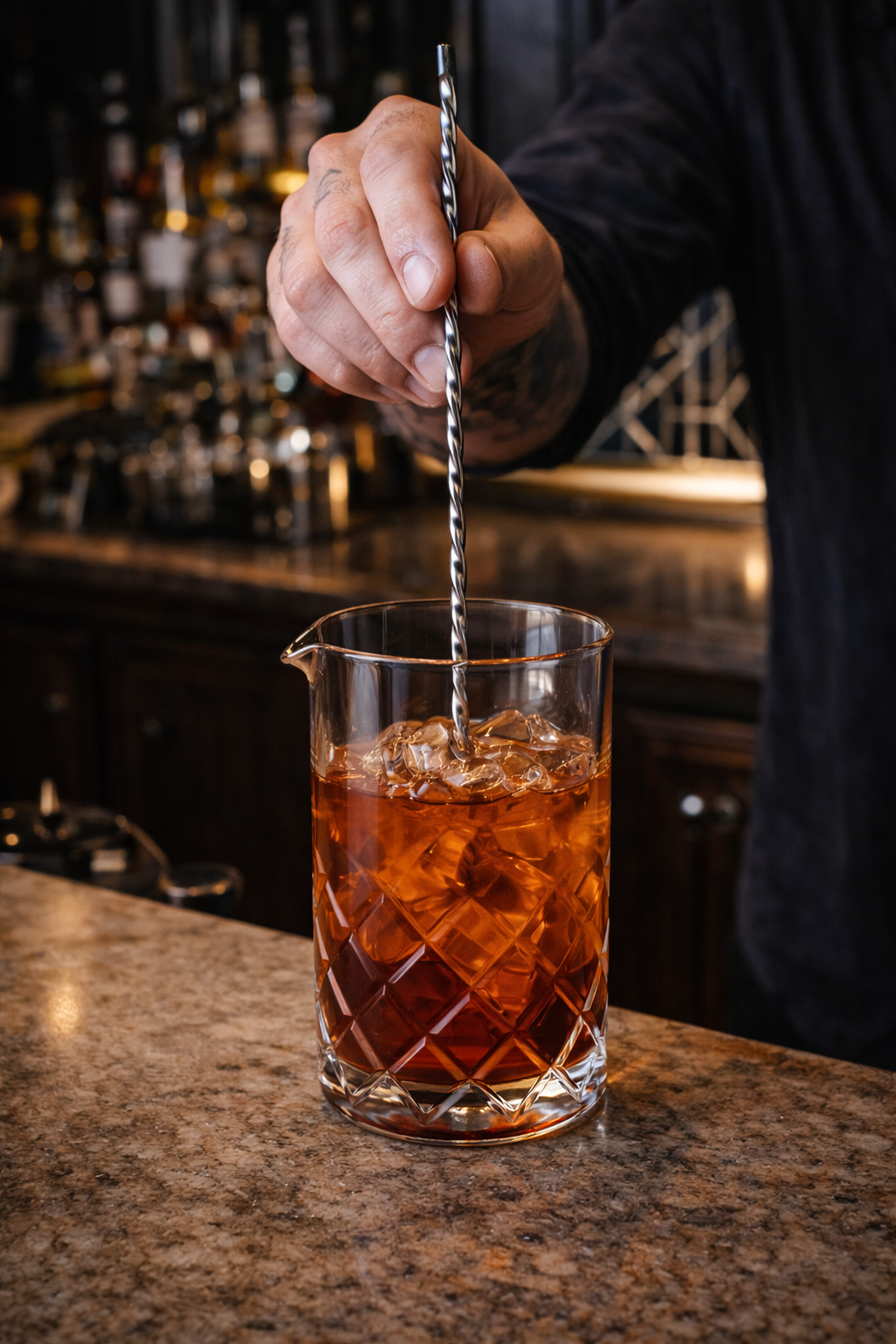
The Proper Stir: Why Most Bartenders Don't Stir Long Enough
Most bartenders stop stirring too soon, leaving their Manhattans and Martinis under-diluted and harsh. Learn why proper stirring takes longer than you think and how to do it correctly.
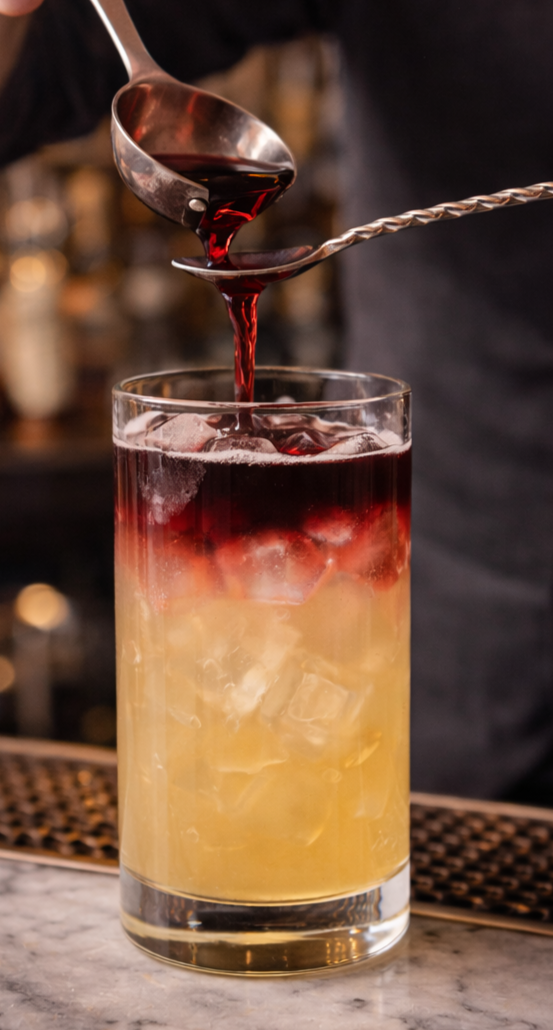
Building Drinks in Order: Why Spirits Go in Last
The order you add ingredients to a shaker isn't arbitrary—it affects both accuracy and the final product. The standard rule is simple: spirits go in last.
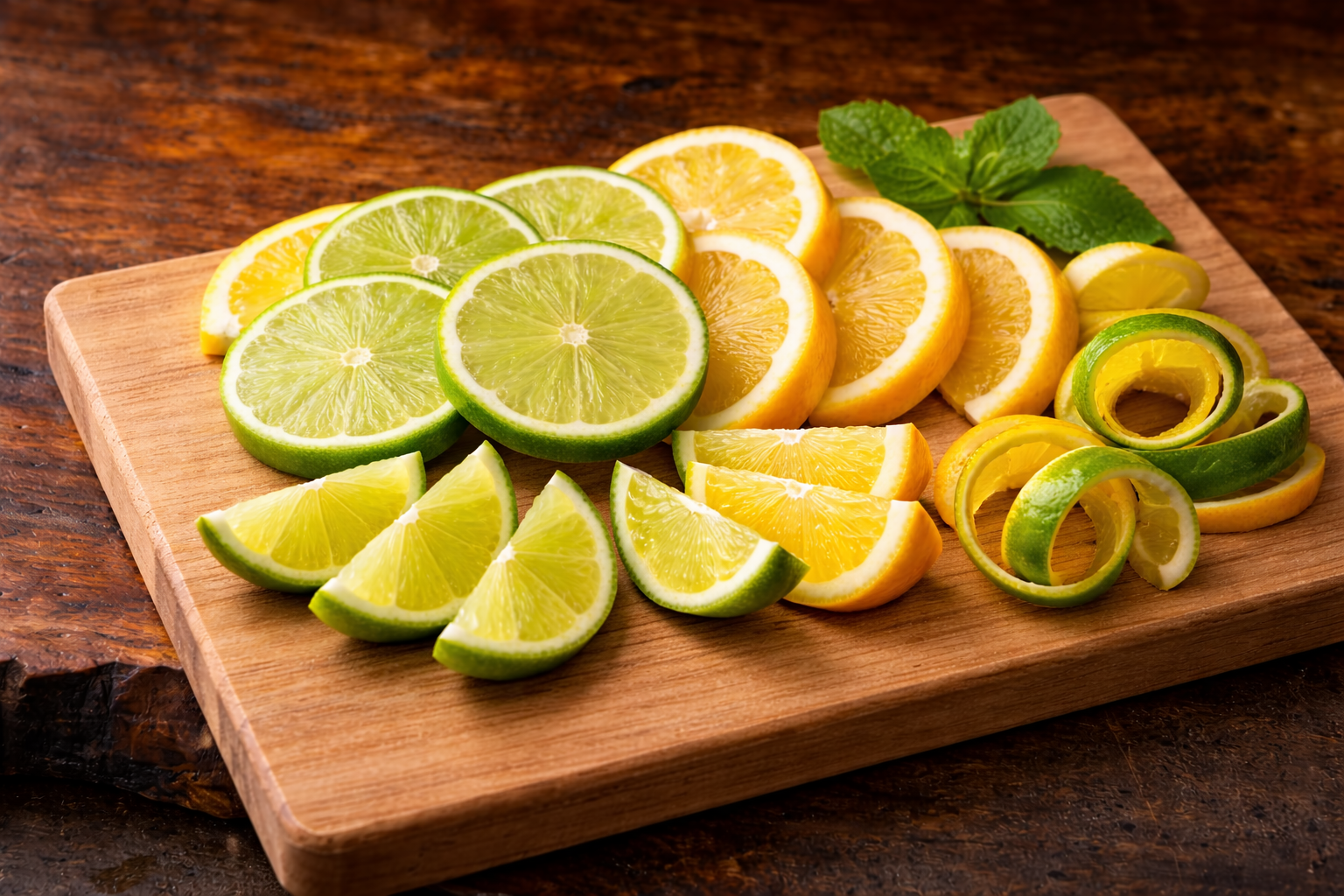
Cutting Citrus for Garnish: Why Your Peels Look Amateur
Sloppy citrus garnishes make cocktails look amateurish. Learn how to cut clean peels with minimal pith and why a sharp knife makes all the difference.
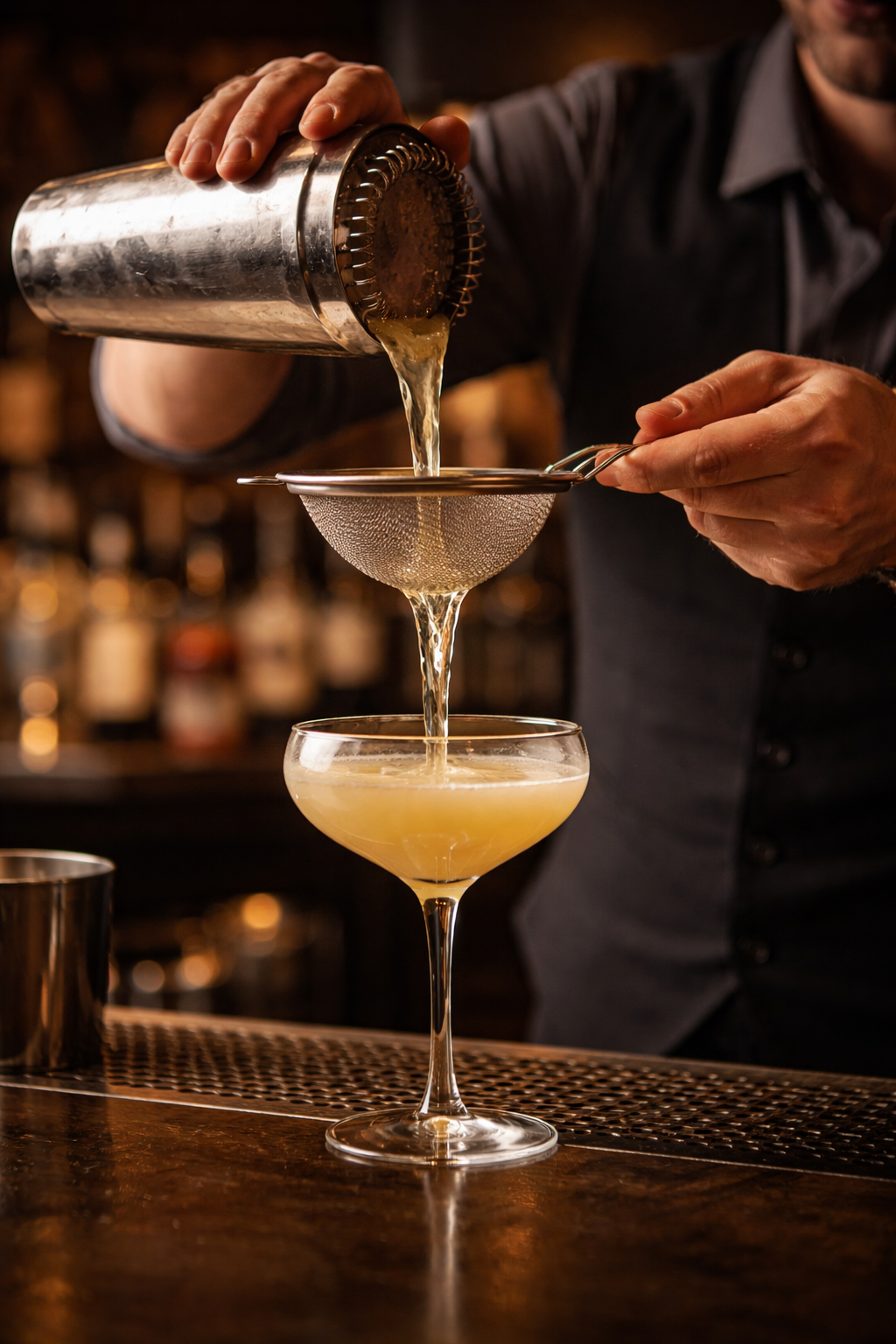
Double Straining: Why Fine Straining Elevates Shaken Cocktails
Double straining is the difference between a cocktail that looks professional and one that looks sloppy. Learn why fine straining removes ice chips and pulp for cleaner, more refined drinks.
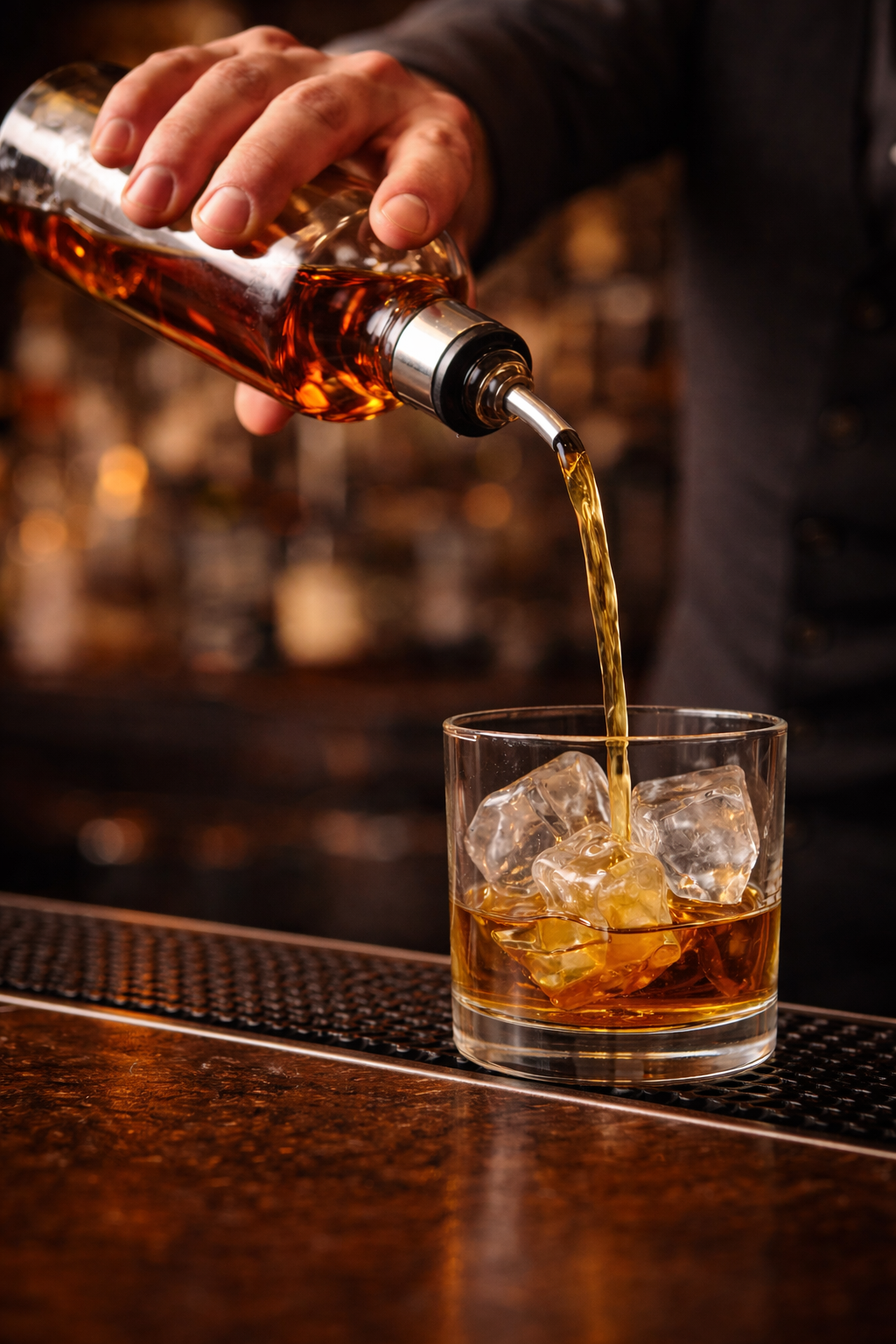
The Two-Pour Method: How to Free Pour Accurately Without Jiggers
Free pouring looks impressive, but it's actually more practical than performative when done correctly. Master the two-pour method for accurate pours without measuring tools.