Featured
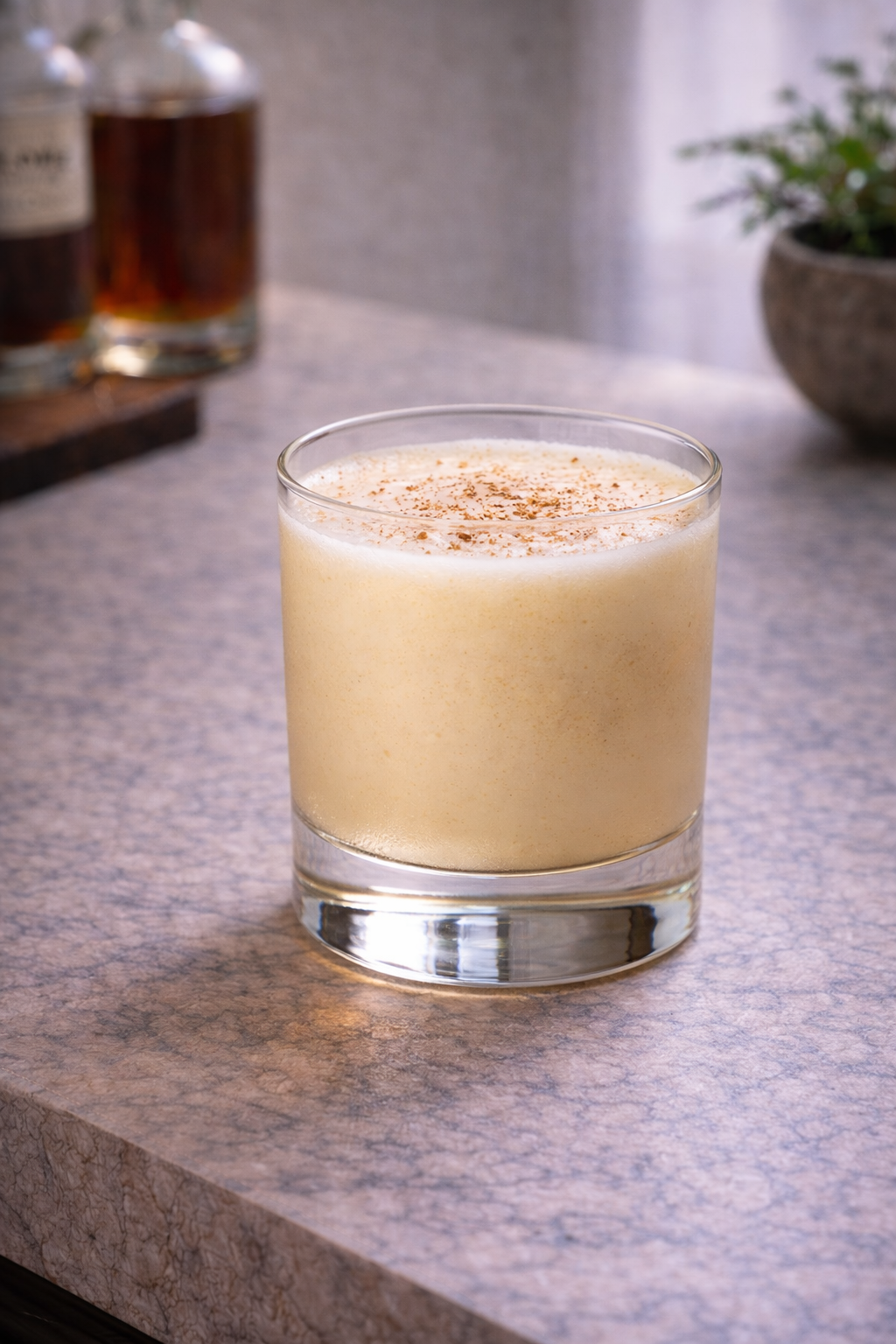
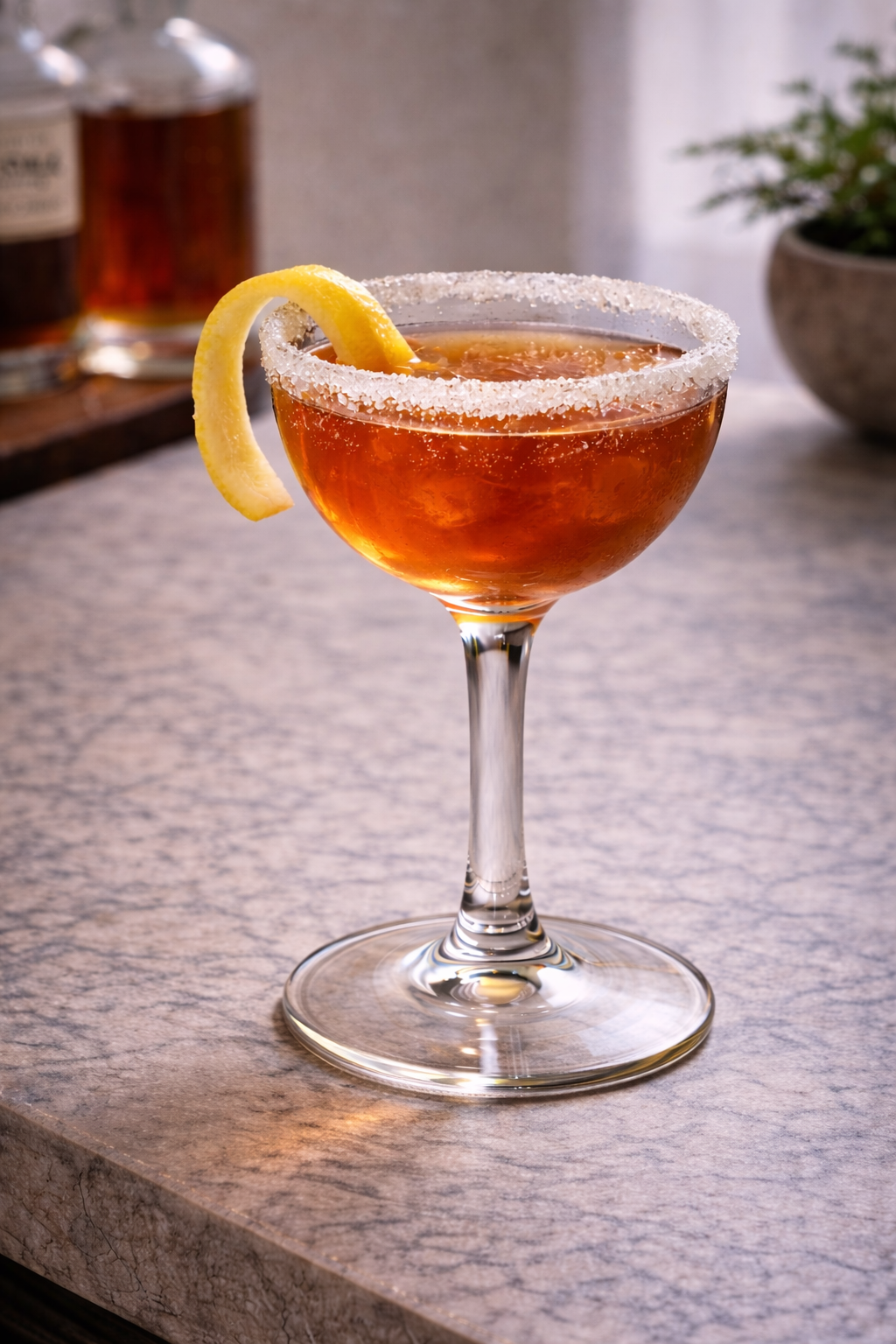
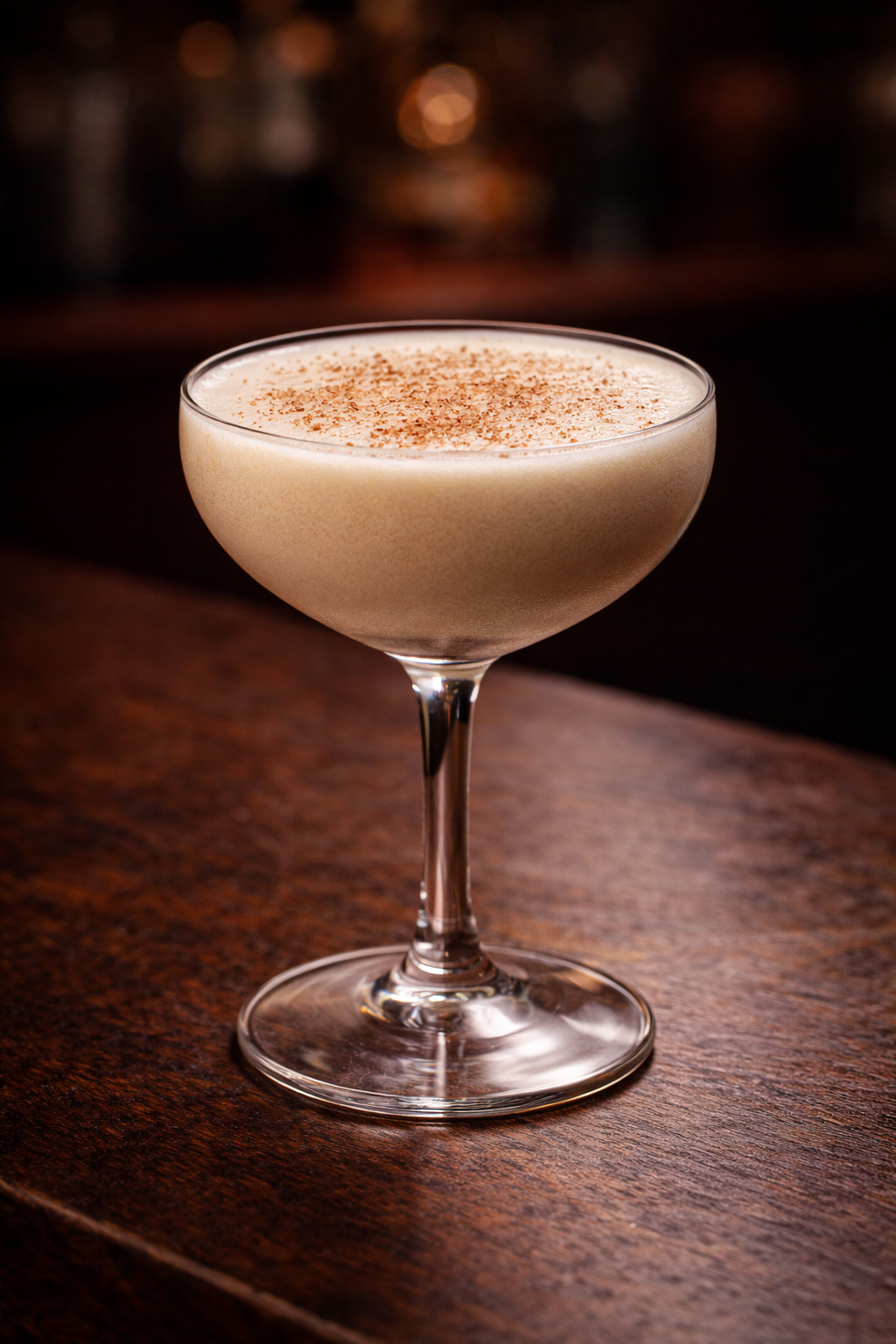
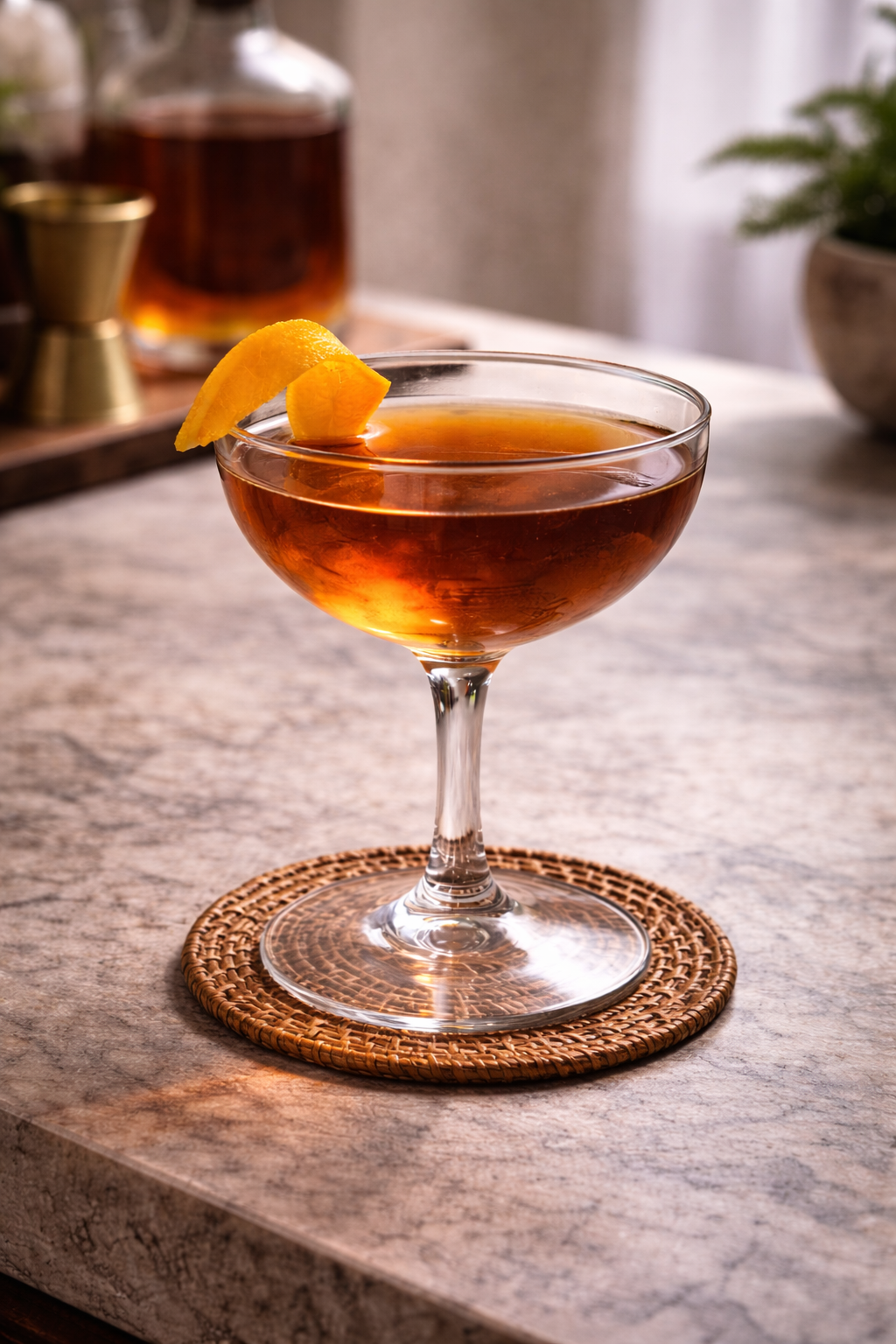
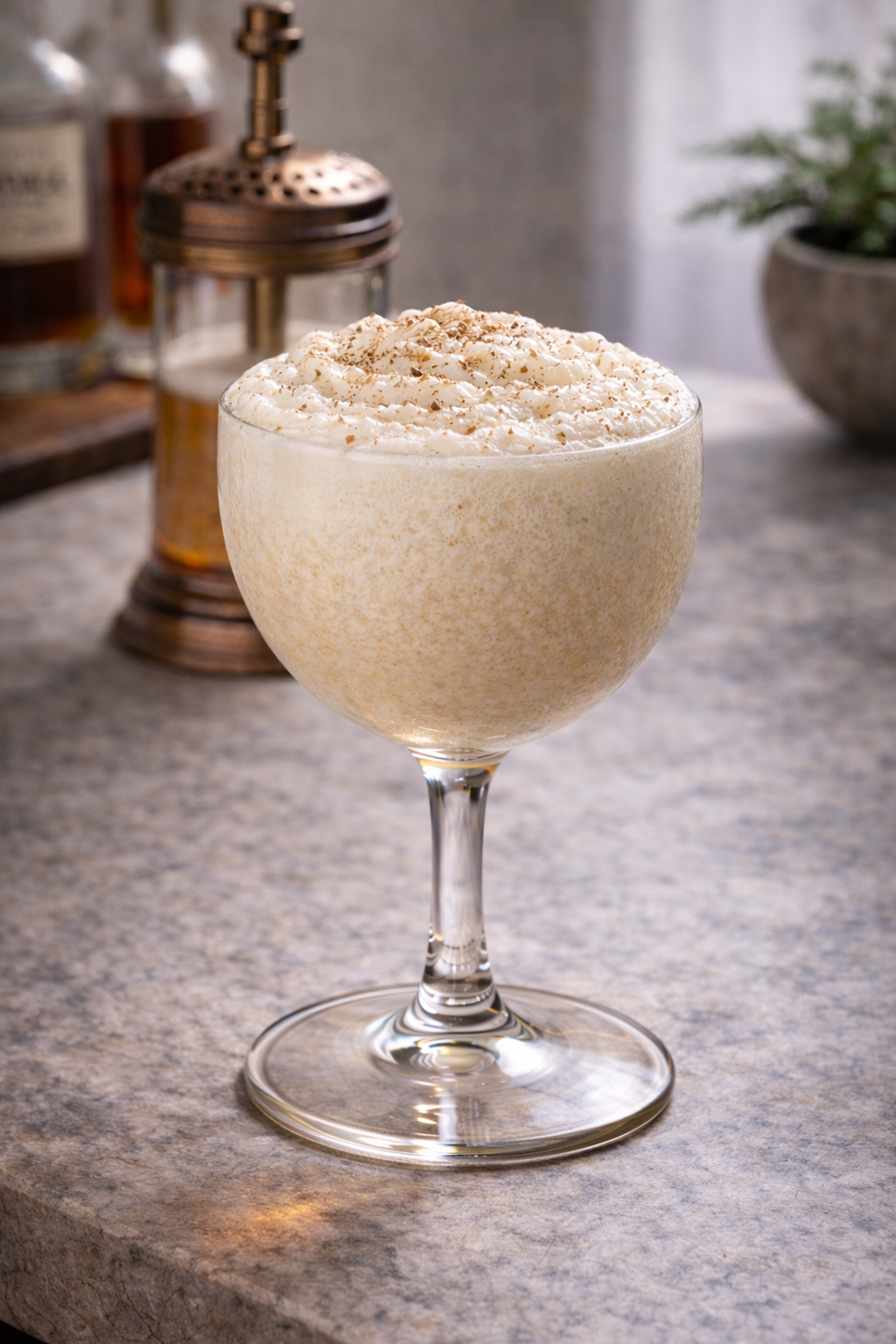
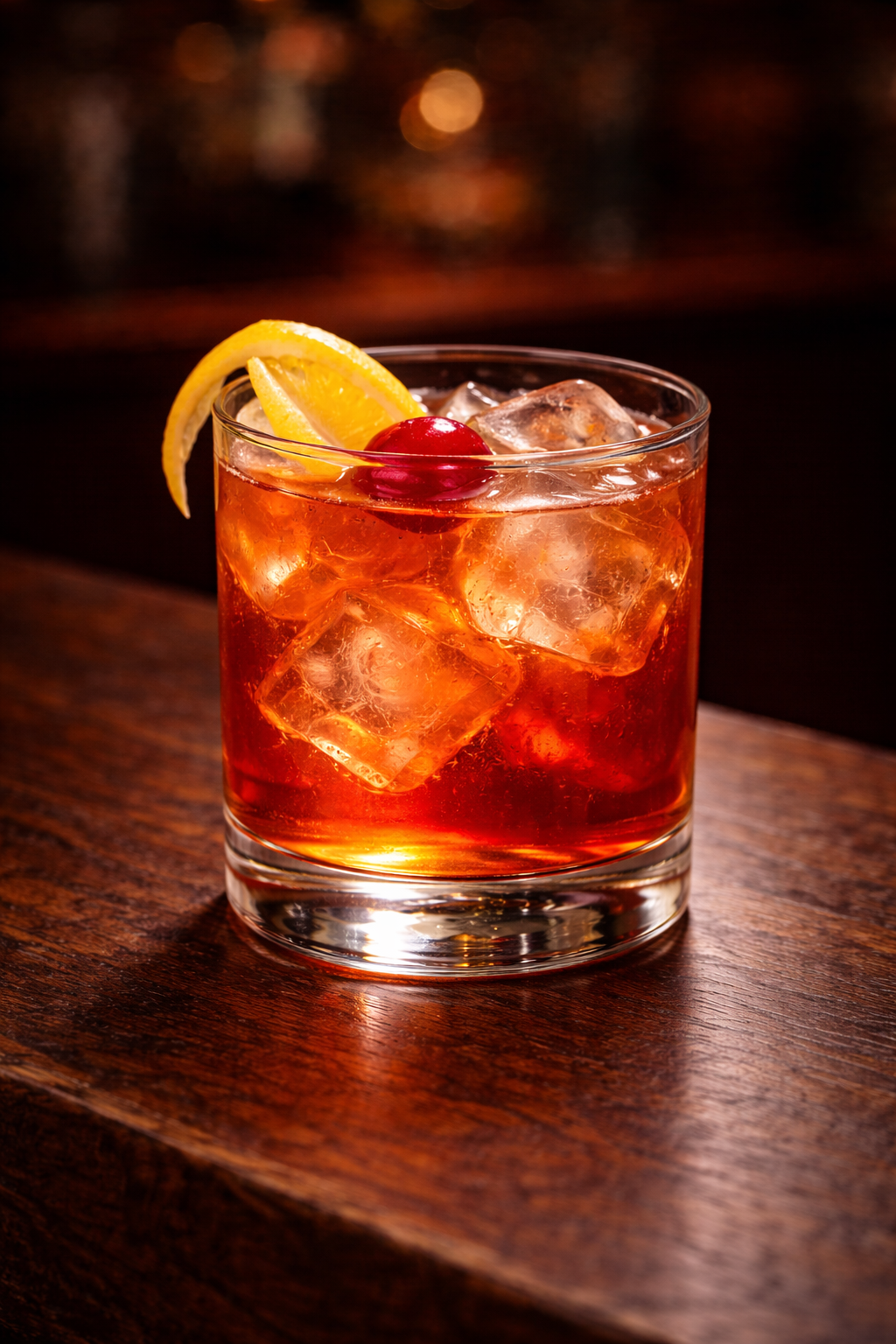
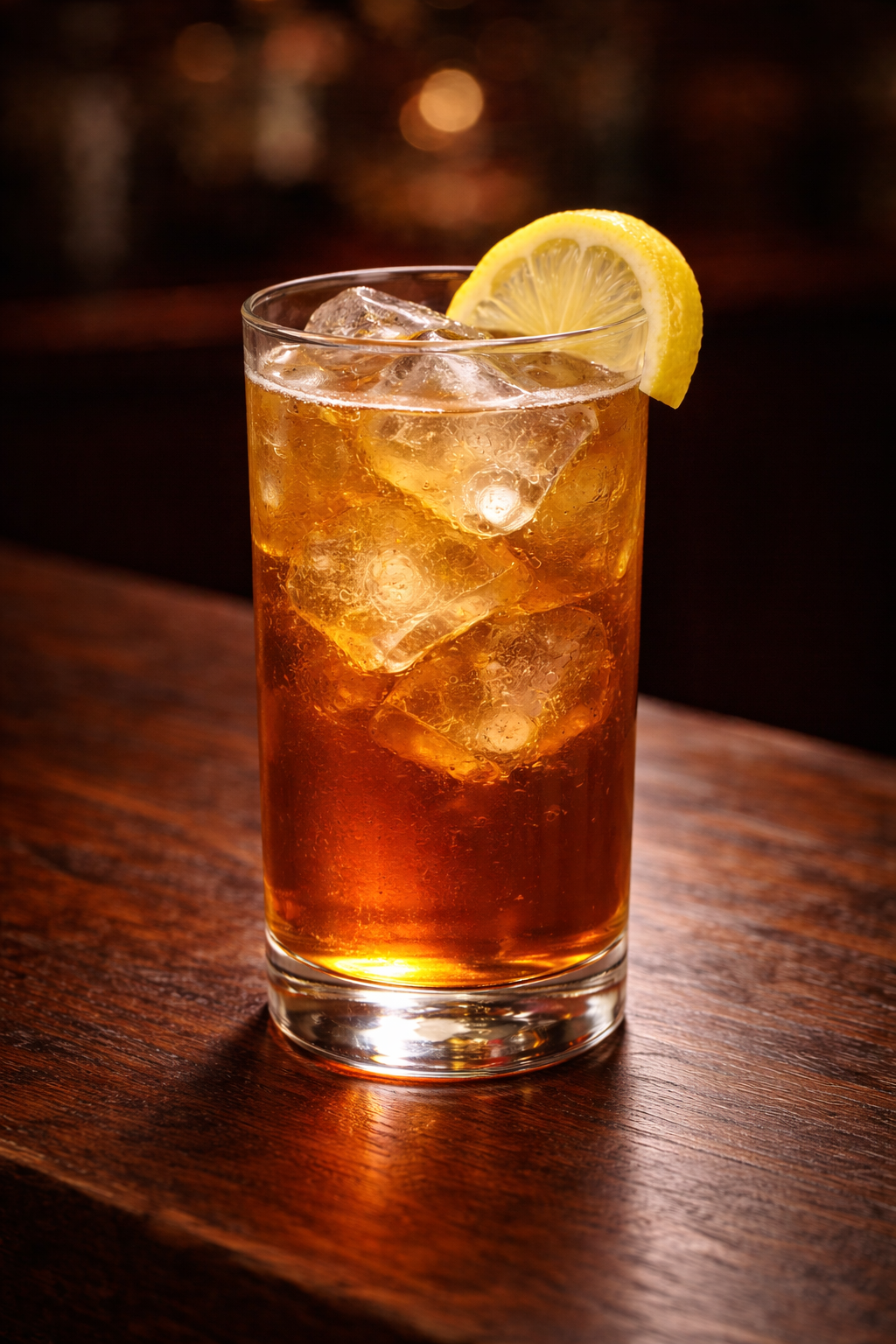
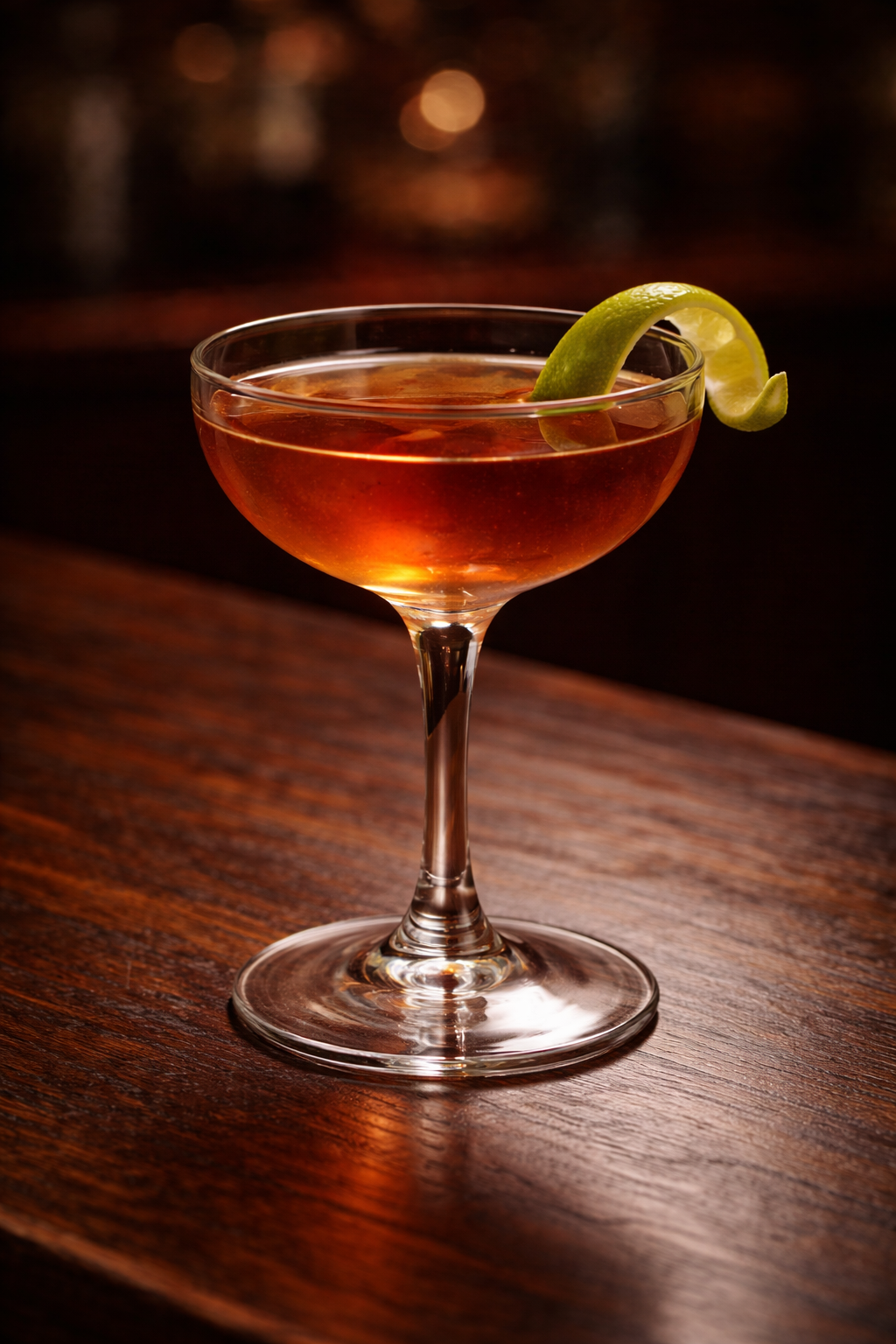
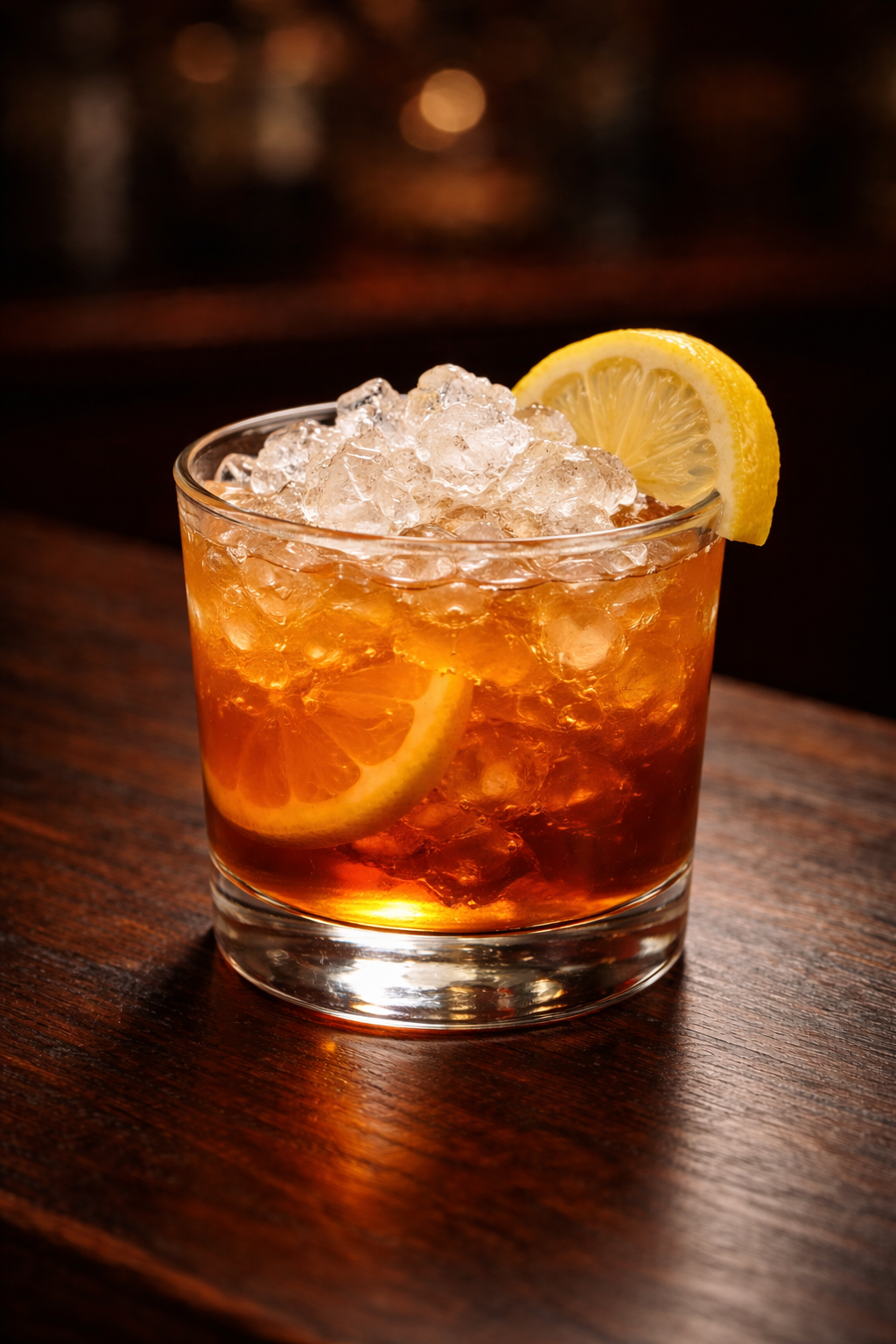
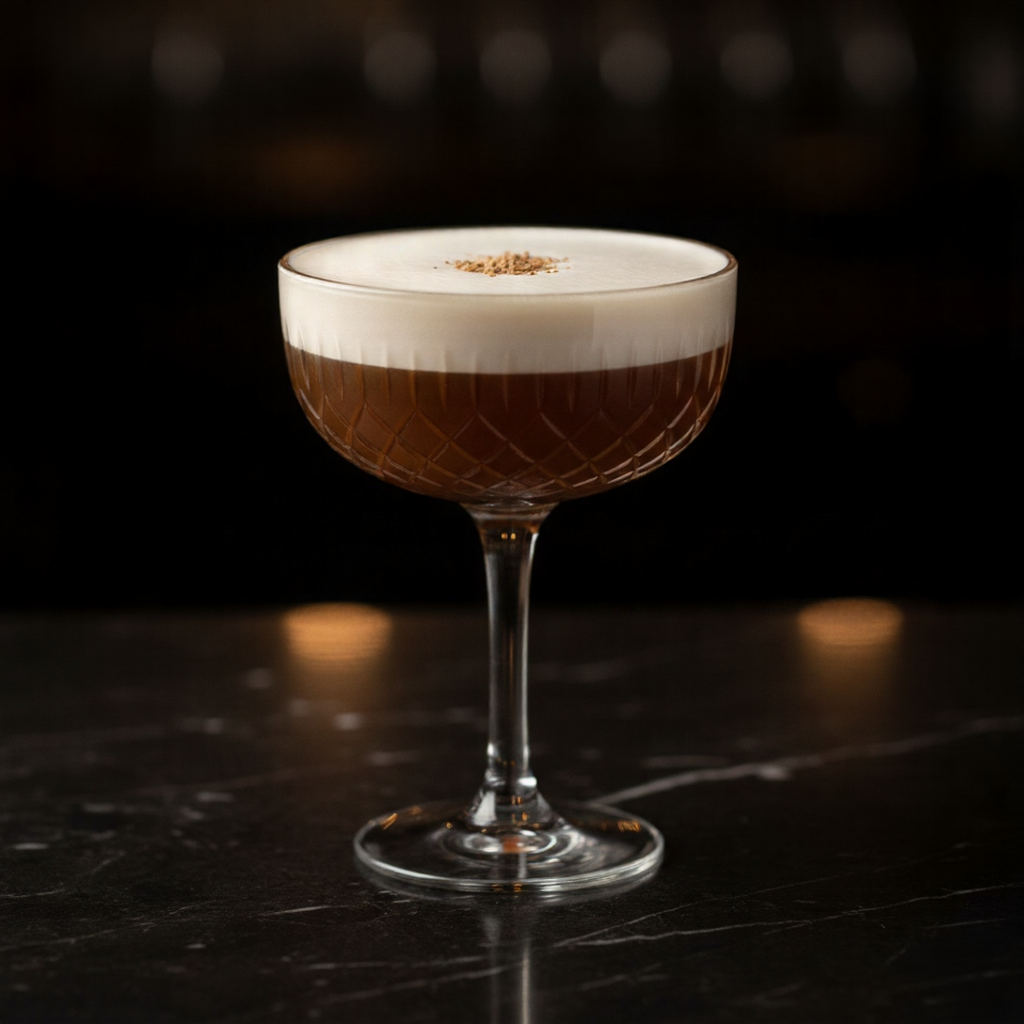
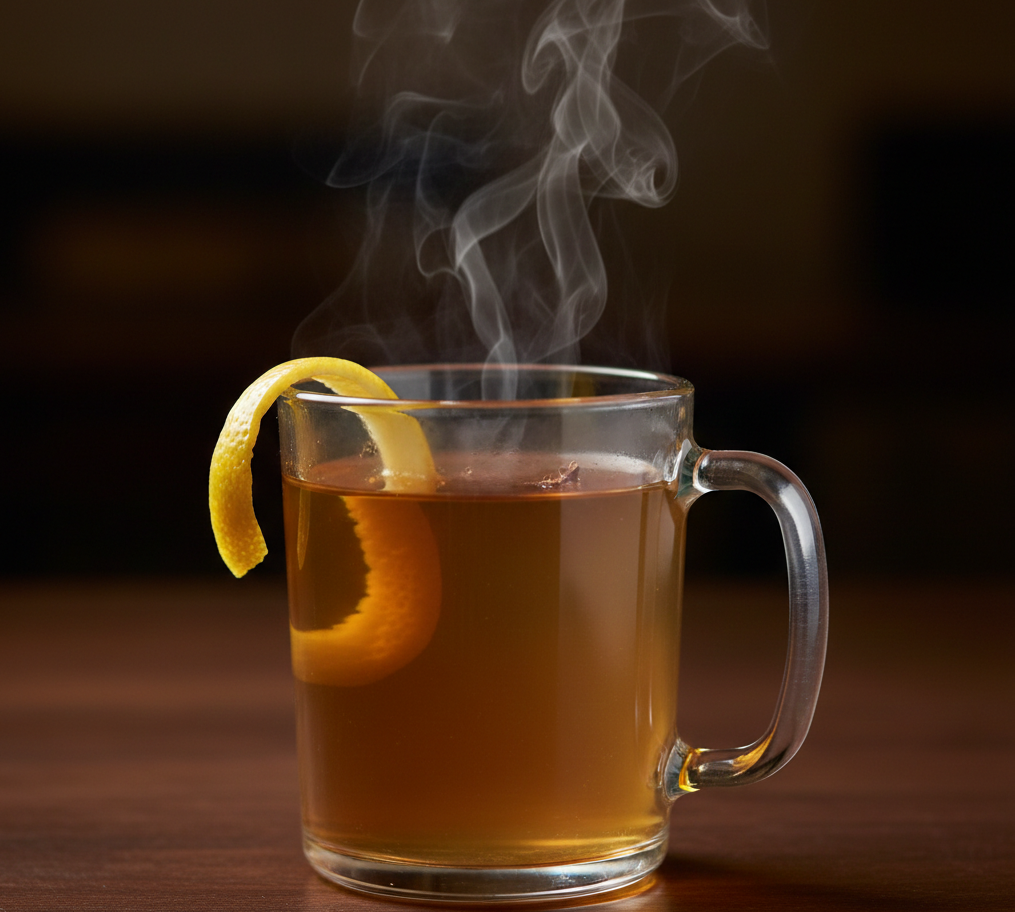
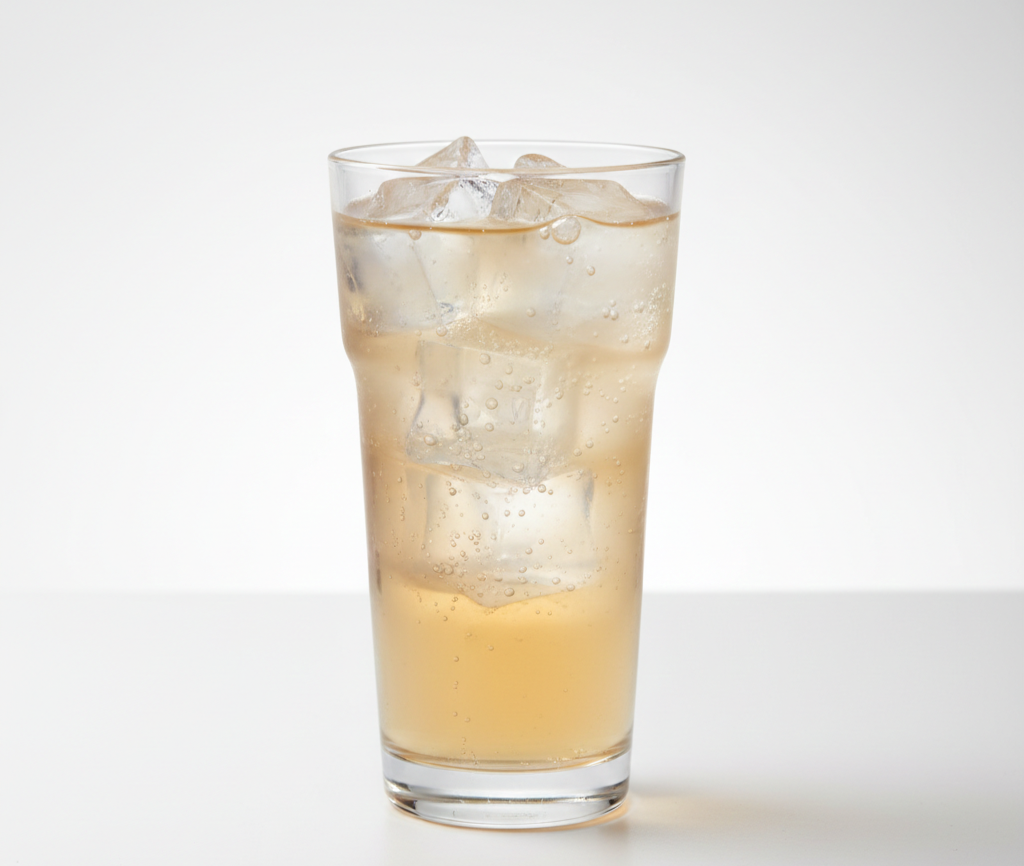
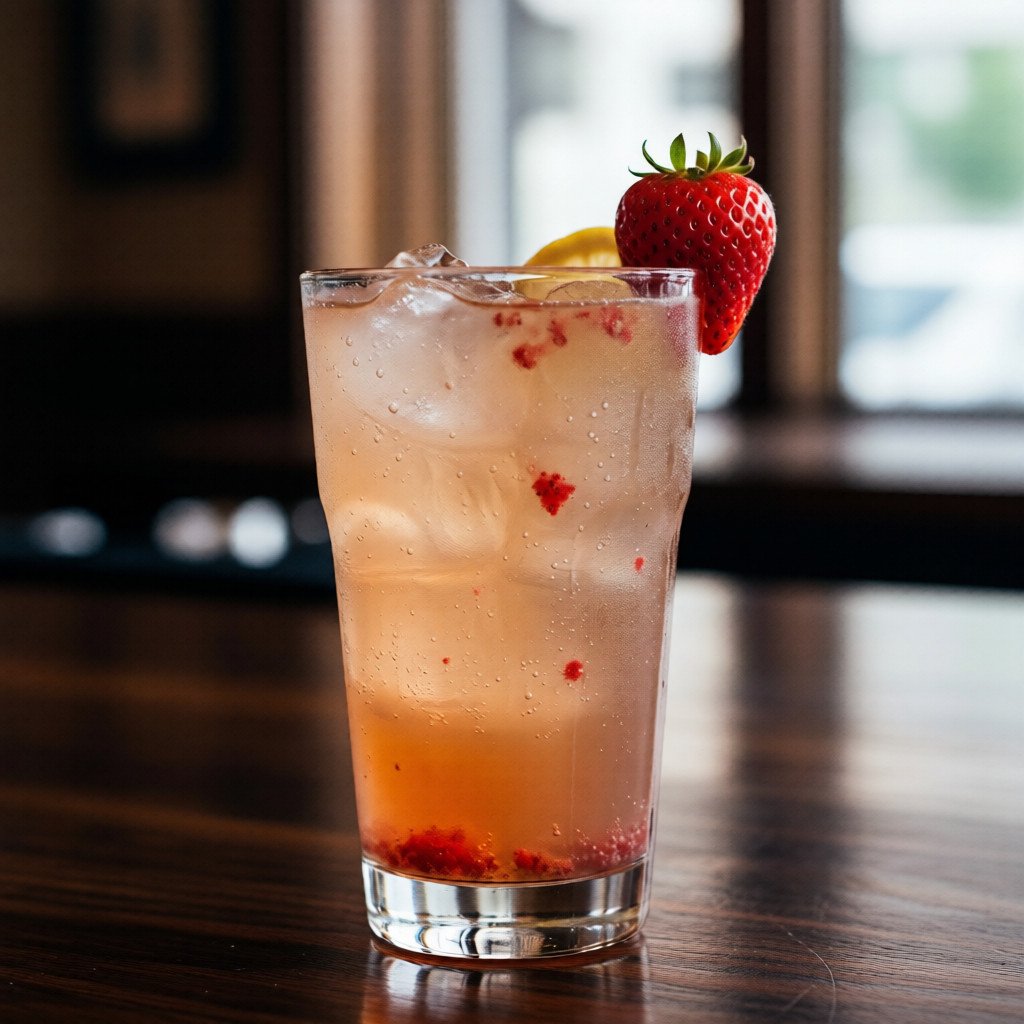
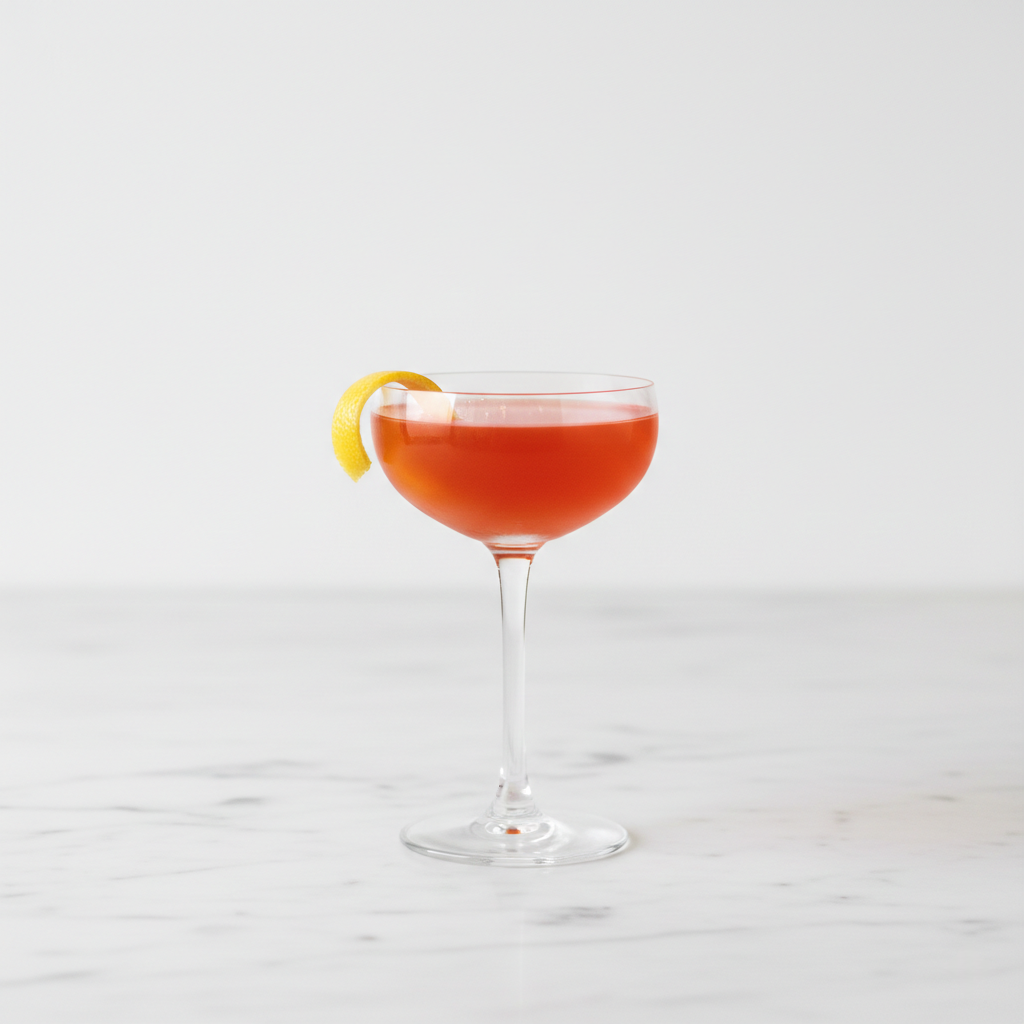
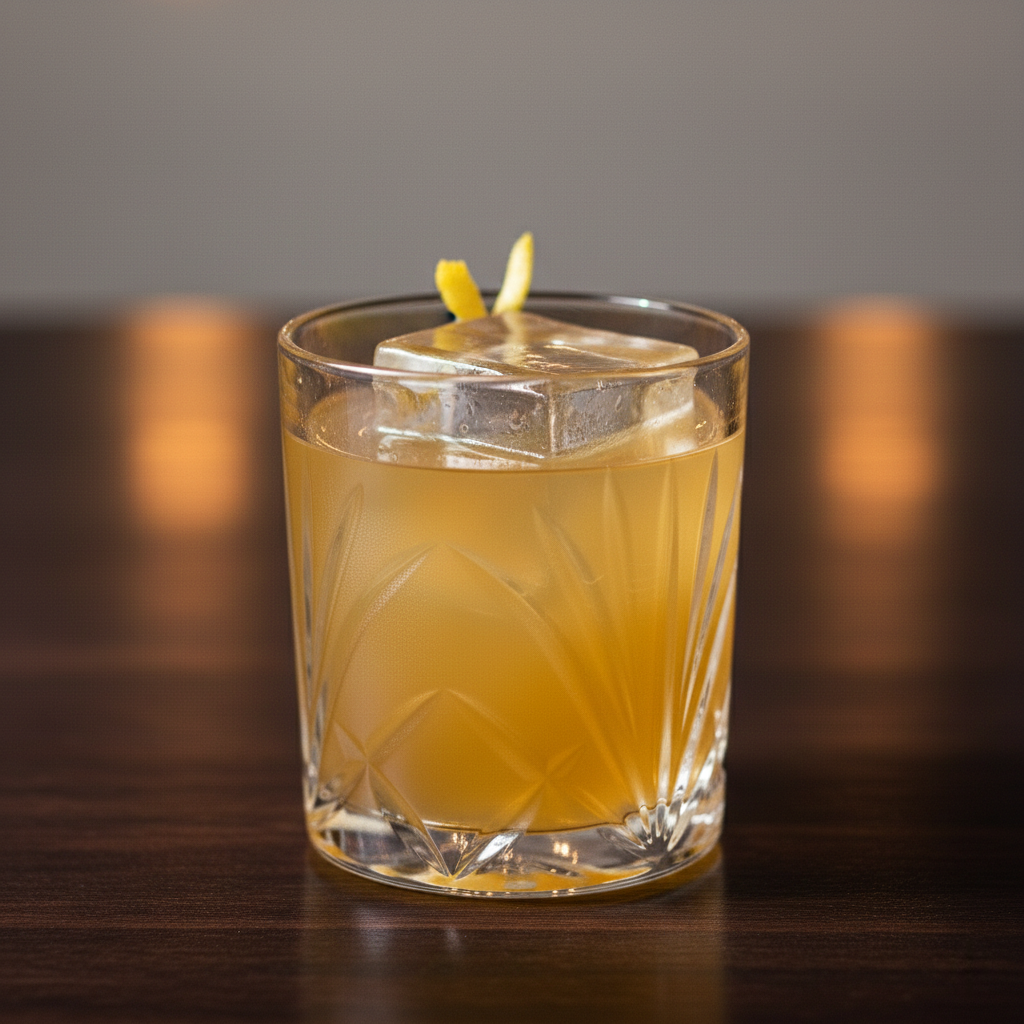
Bourbon Milk Punch is a classic New Orleans brunch cocktail with origins tracing back to 17th-century English milk punches. This creamy, lightly sweet drink combines bourbon with milk and warm spices, creating a smooth cocktail that's become a staple at New Orleans brunches.
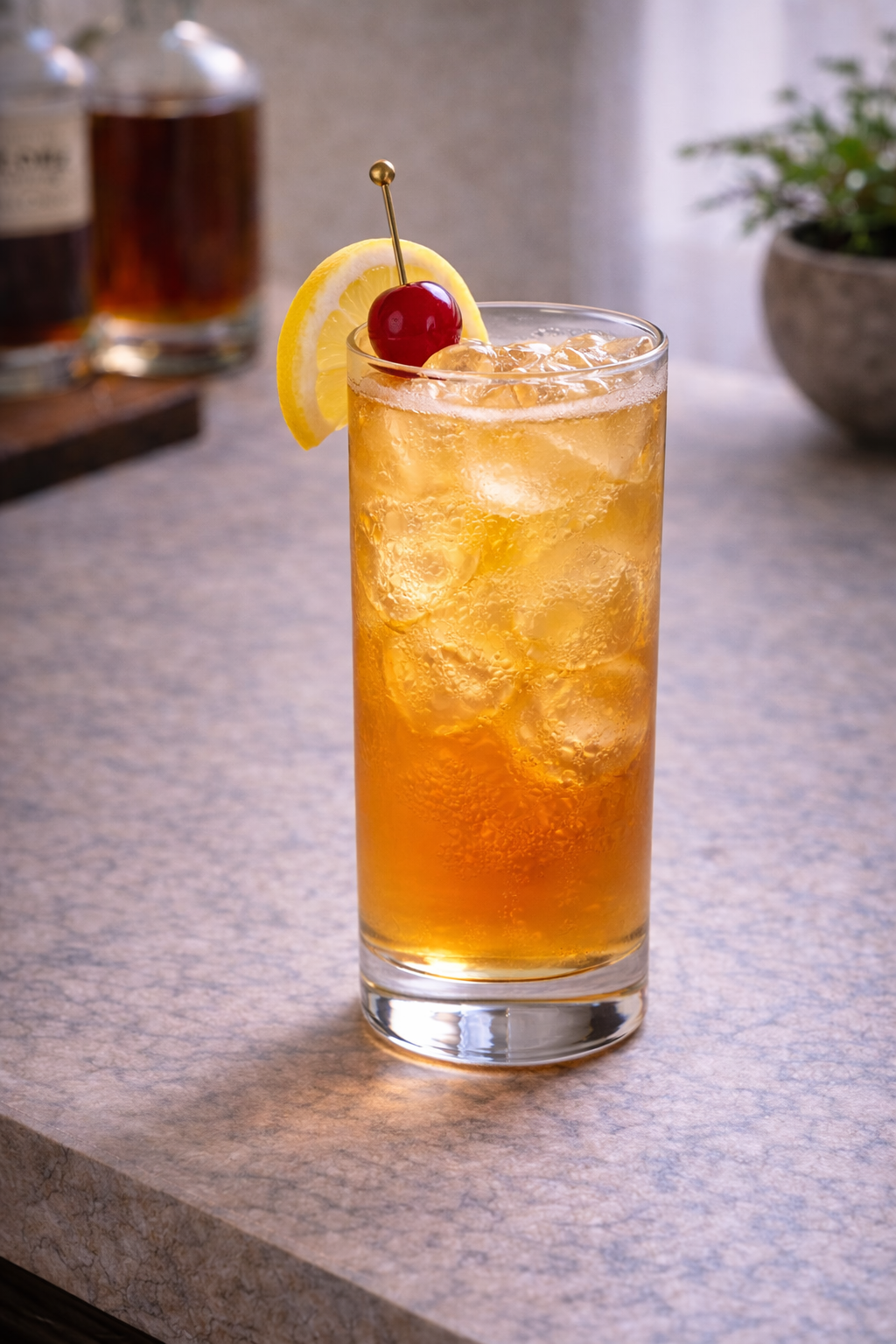
The Whiskey Sling is one of the oldest American mixed drinks, dating back to the 1700s. This simple combination of whiskey, sugar, and water represents early American drinking culture and served as the foundation for many cocktails that followed.
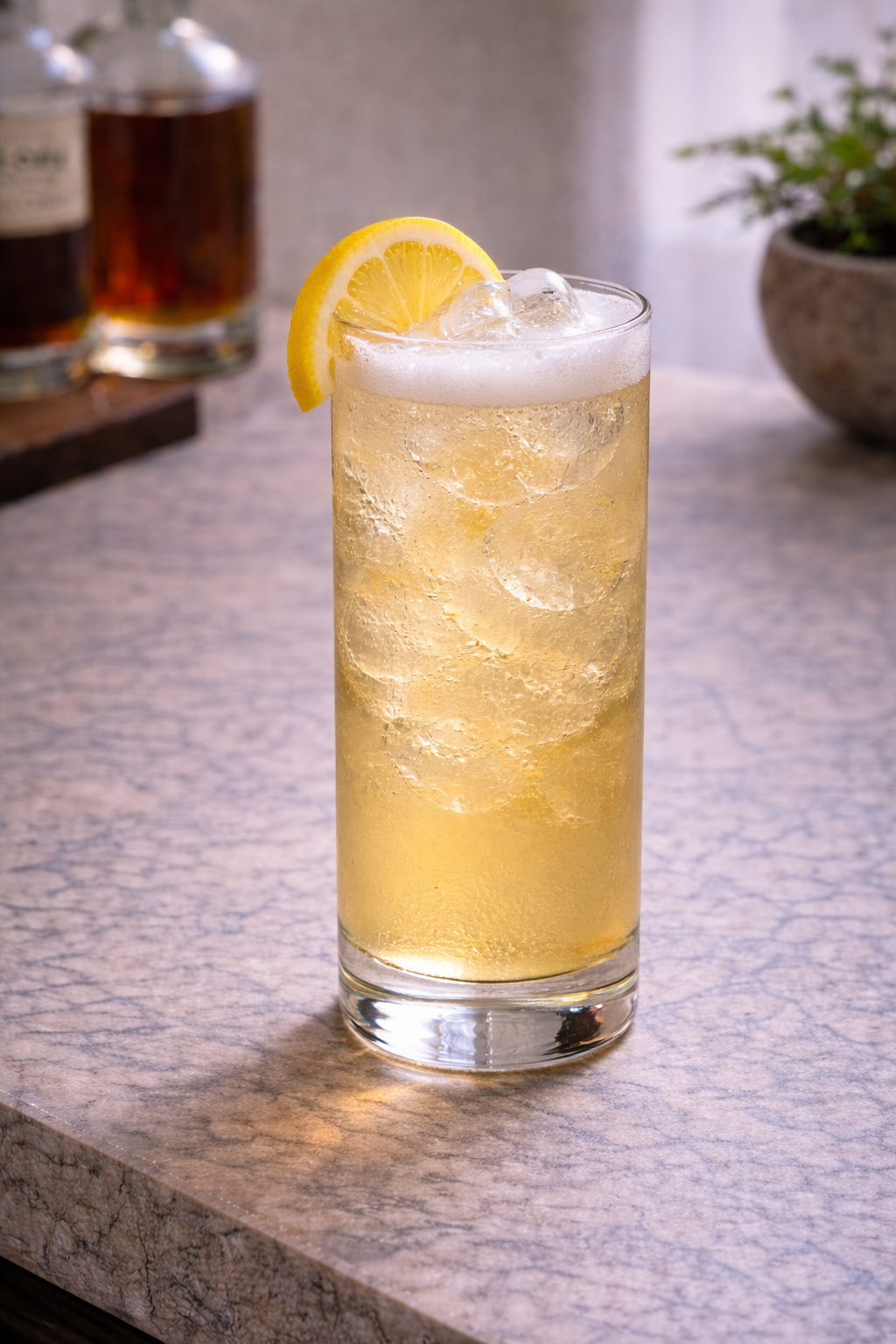
The Whiskey Fizz is a classic American cocktail from the 1880s that belongs to the "Fizz" family of drinks. These shaken cocktails combined spirits with citrus, sugar, and soda water, creating light and effervescent drinks popular in late 19th-century saloons.
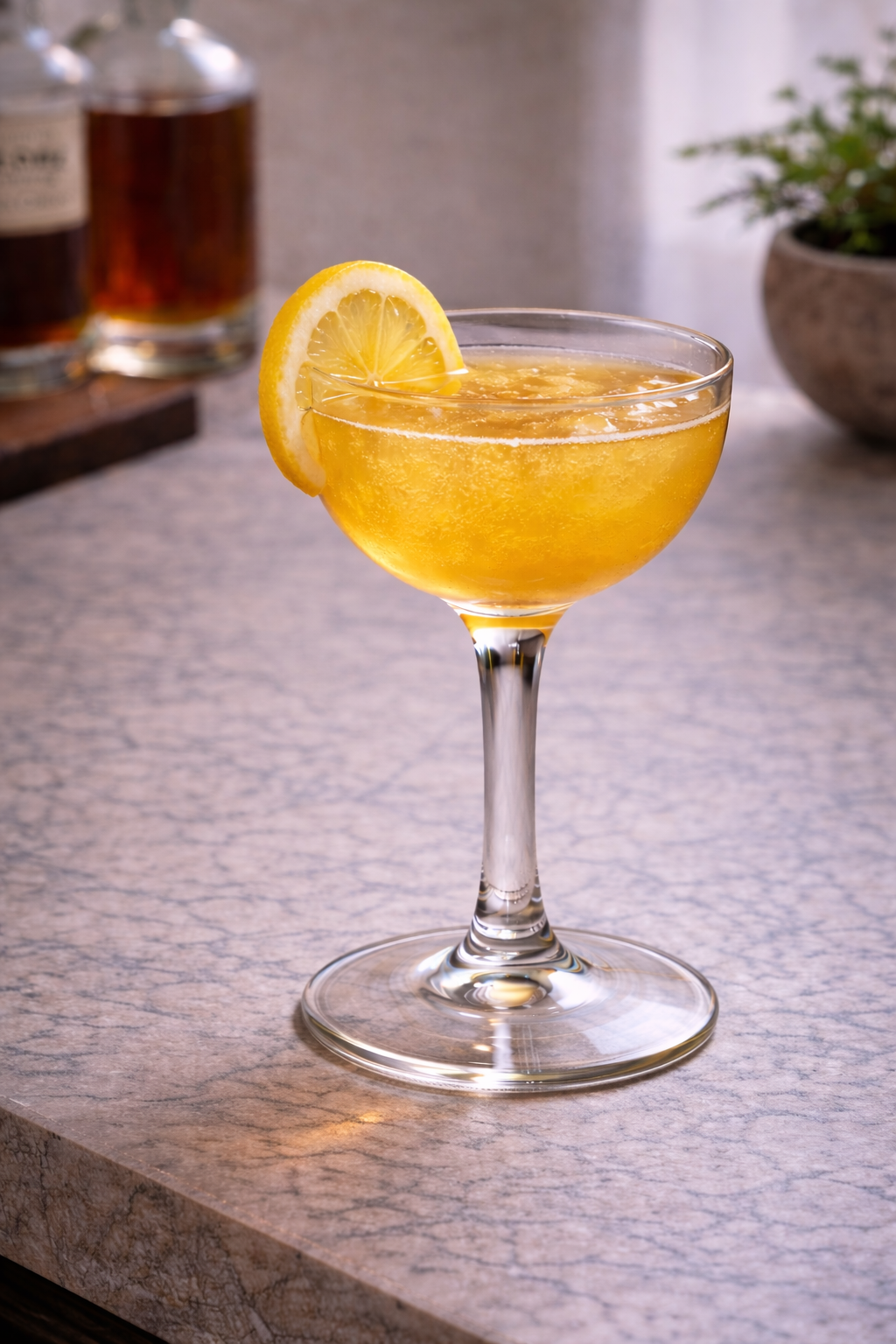
The Whiskey Daisy is a classic American cocktail from the 1870s that belongs to the "Daisy" family of drinks. These vintage cocktails combined a base spirit with citrus, sweetener, and soda water, creating refreshing long drinks popular in Victorian-era saloons.
The Whiskey Crusta is a classic New Orleans cocktail created in the 1850s by Italian bartender Joseph Santini. This historic drink is credited with introducing the sugared rim to cocktail culture and showcases the elegant simplicity of mid-19th century American bartending.
The Bourbon Alexander is a modern variation of the classic Brandy Alexander, which originated in the early 1900s. By swapping bourbon for brandy, this version brings vanilla and caramel notes to the rich chocolate-cream combination, creating a distinctly American take on the dessert cocktail.
The Silent Night cocktail was created by Crystal Cartier of The Eclectic Kitchen in 2018. This modern creation combines bourbon with Benedictine - a honey and herb-flavored French liqueur - and Peychaud's bitters for a simple three-ingredient drink perfect for cold weather.
Bourbon Syllabub is a modern American adaptation of the traditional English syllabub that dates back to the 16th century. While the original used wine or sherry with cream, this Southern version swaps in bourbon for a richer, warming dessert drink.
The Belmont Jewel became the official cocktail of the Belmont Stakes in 2011, replacing previous drinks like the White Carnation and Belmont Breeze. This simple three-ingredient cocktail combines bourbon, lemonade, and pomegranate juice for a refreshing, easy-to-make drink perfect for race day or summer parties.
The Stone Fence dates back to Colonial America and was served at taverns since at least the early 1800s. Legend claims Ethan Allen and the Green Mountain Boys drank this rum and hard cider mix before capturing Fort Ticonderoga in 1775, though the story may be folklore.
The Lion's Tail first appeared in William J. Tarling's "Café Royal Cocktail Book" in 1937, credited to L.A. Clarke. This unique cocktail combines bourbon with allspice dram and lime juice - an unexpected pairing that creates a spicy, complex drink perfect for autumn.
Learn how to make a Bourbon Fix - a classic 19th century cocktail with bourbon, lemon juice, simple syrup, and crushed ice. Jerry Thomas included the Fix in his 1862 bartending guide.
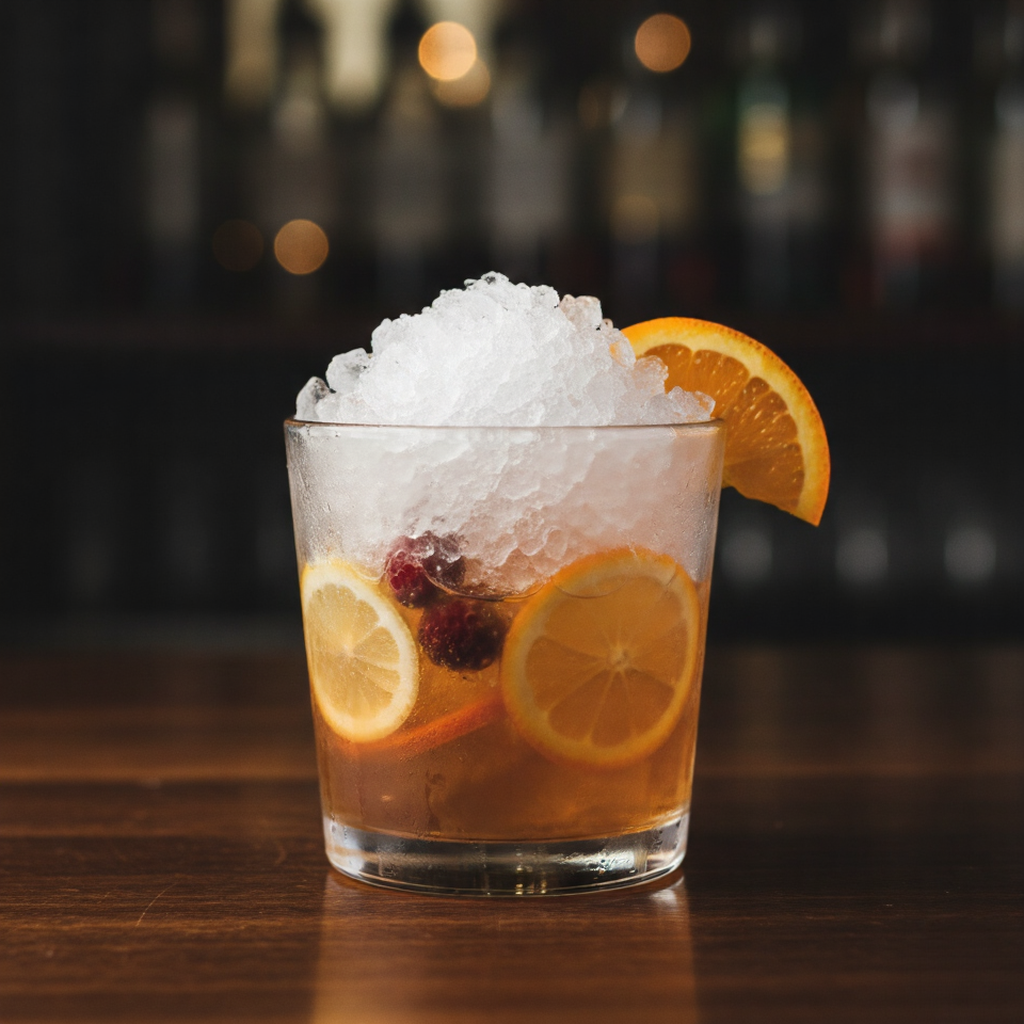
The Bourbon Cobbler is a bourbon variation of the classic Cobbler family that emerged in the 1830s. Jerry Thomas included a Whiskey Cobbler in his 1862 guide. This refreshing cocktail combines muddled citrus, bourbon, simple syrup, and crushed ice.
The John Collins originally used gin in the 1860s and was named after a London waiter. Over time, bourbon became the standard base spirit, creating a richer version of the classic Collins formula with lemon juice, simple syrup, and soda water.
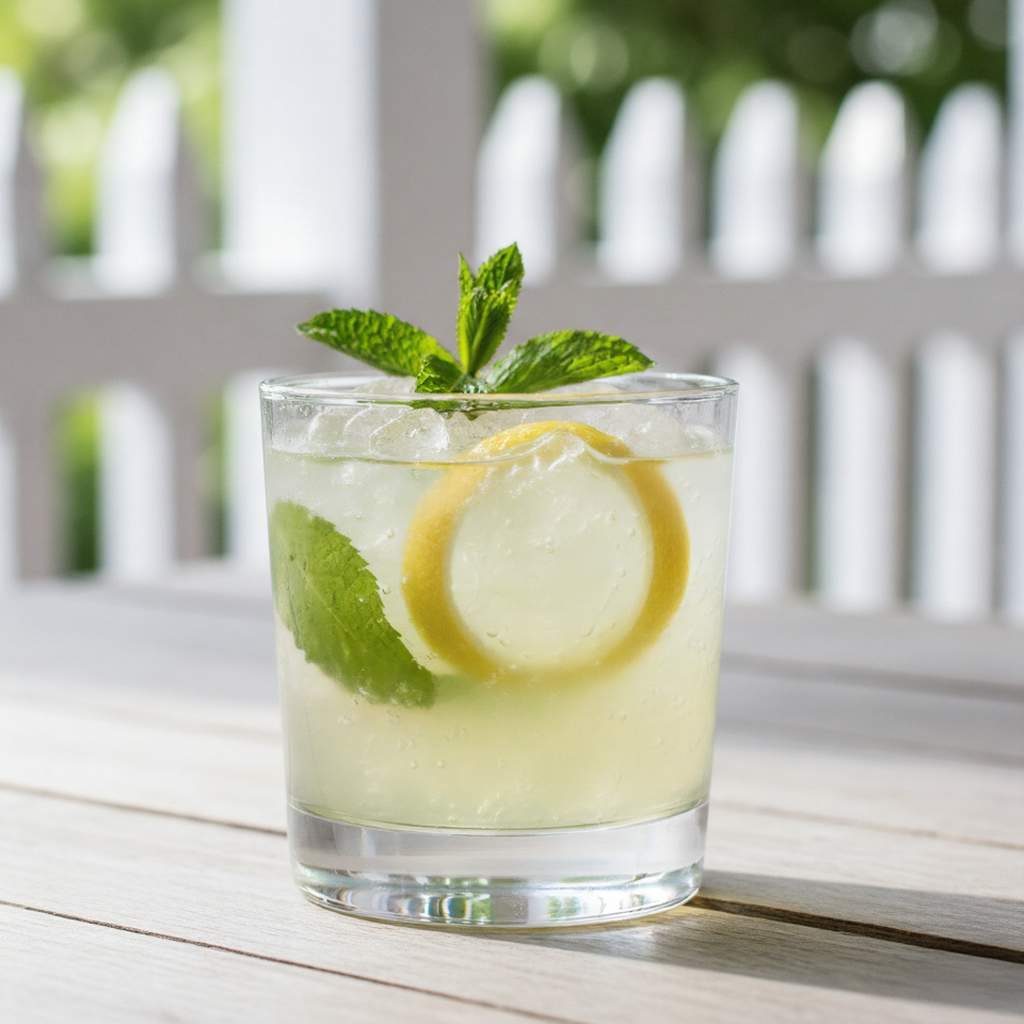
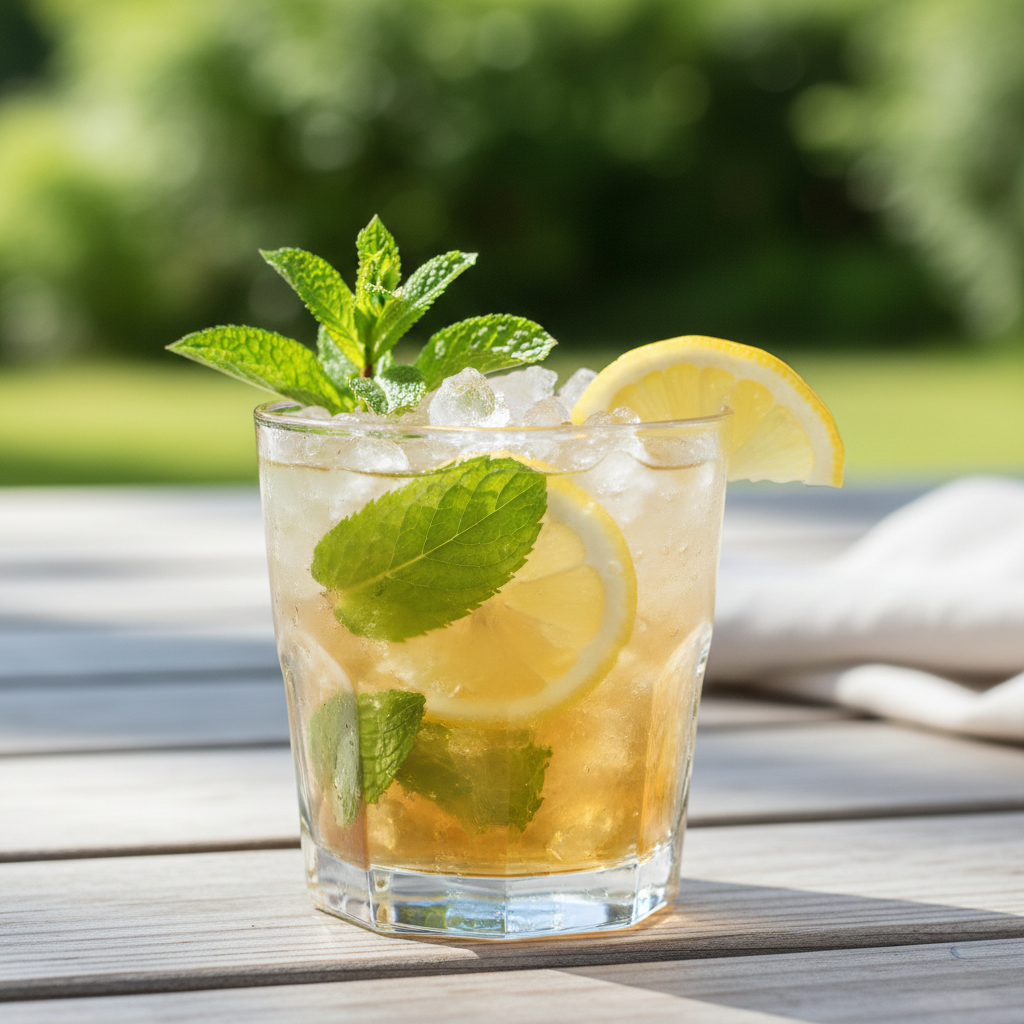
The Whiskey Smash dates back to the mid-1800s and gained prominence in Jerry Thomas's 1887 "Bar-Tenders Guide." This classic cocktail combines muddled mint and lemon with whiskey and simple syrup, creating a refreshing drink that's like a julep with added citrus.
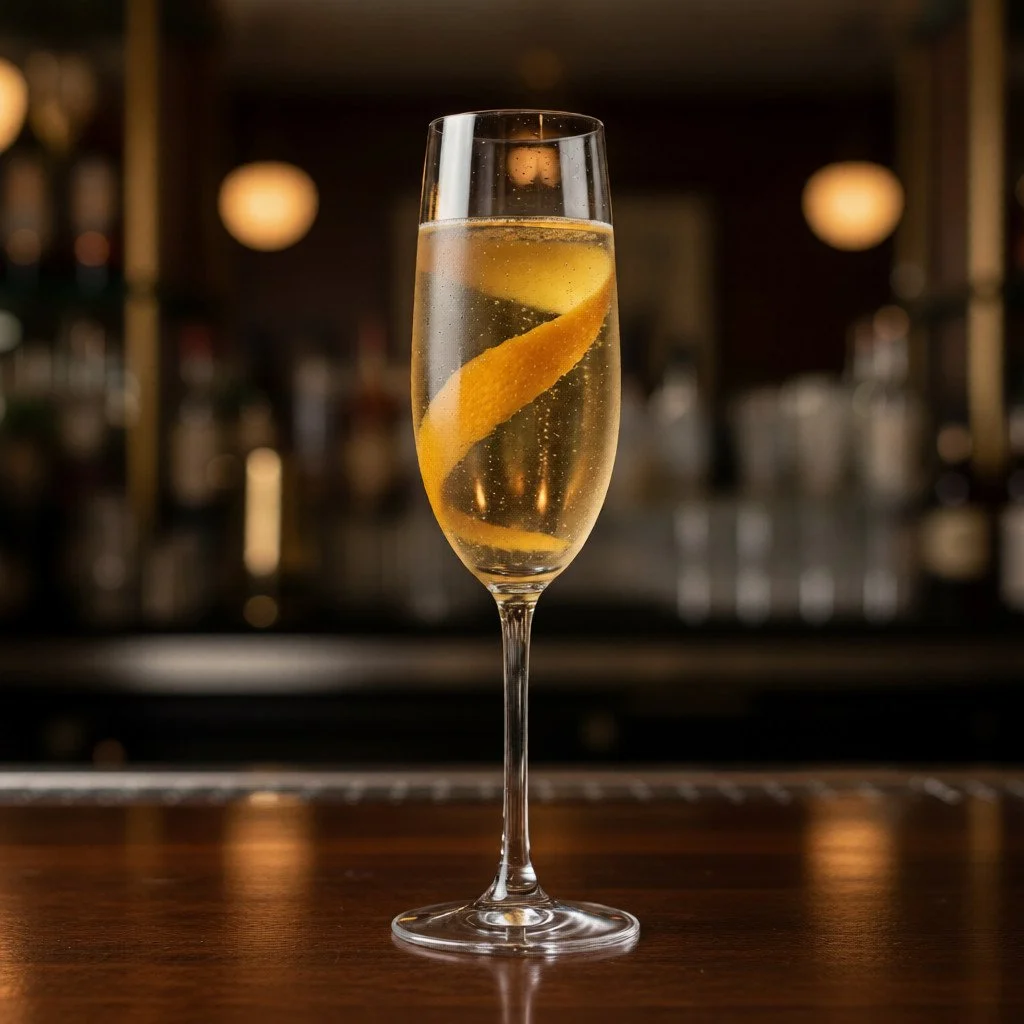
The Seelbach Cocktail was created in 1995 by Adam Seger at Louisville's Seelbach Hotel. Despite an elaborate backstory claiming pre-Prohibition origins, the drink is actually a modern creation. This elegant mix of bourbon, Cointreau, Angostura and Peychaud's bitters, and champagne became an instant classic.
The Bourbon Flip traces back to 17th-century colonial America when flips were hot drinks made with beer, rum, and eggs, heated with a red-hot poker. The modern cold version combines bourbon, a whole egg, simple syrup, and nutmeg for a rich, creamy cocktail.
The Hot Toddy's origins are debated, with theories tracing it to India's palm sap drink "taddy" or 18th-century Scotland. This warming cocktail combines whiskey, honey, lemon juice, and hot water for a simple drink that's been a cold-weather staple for centuries.
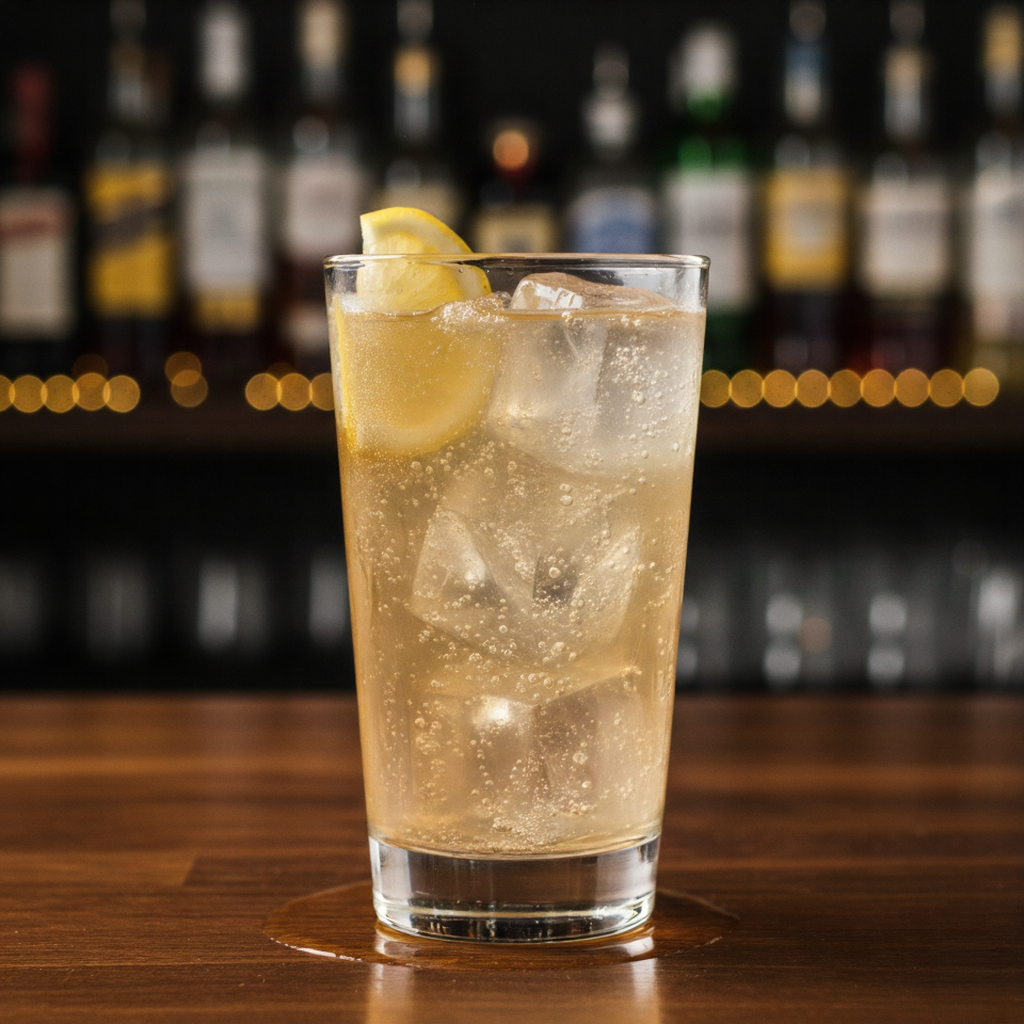
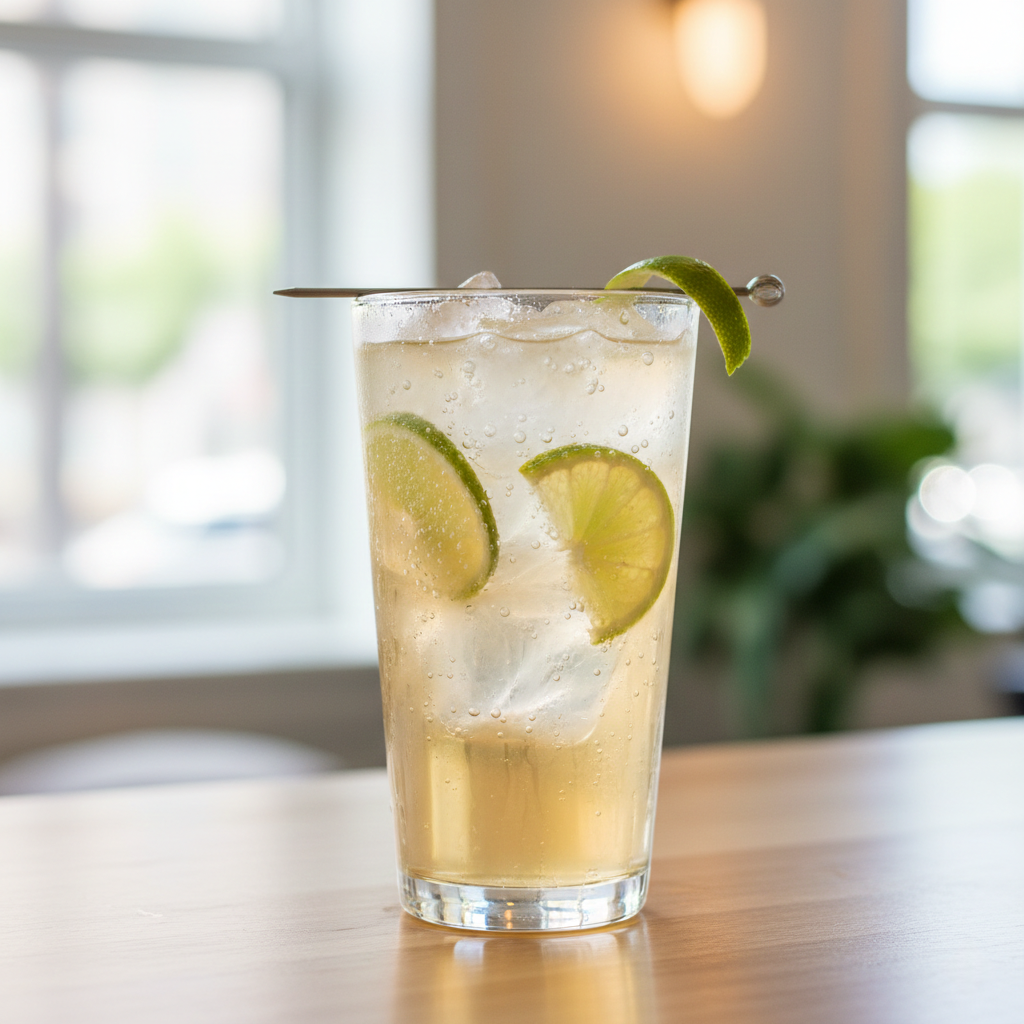
The Bourbon Highball is one of the simplest cocktails you can make - just bourbon and soda water over ice with a lemon garnish. Dating back to the late 1800s, this straightforward drink lets the bourbon shine while staying light and refreshing.
The Kentucky Buck was created in 2009 by bartender Erick Castro for Rickhouse bar in San Francisco. This modern classic combines muddled strawberries with bourbon, lemon juice, bitters, and ginger beer, creating a refreshing drink that became an instant hit and earned its place in cocktail history.
The Ward Eight originated in Boston in the late 1890s, likely created at Locke-Ober Café to celebrate political victories in the city's eighth ward. This rye whiskey cocktail combines lemon juice, orange juice, and grenadine for a tart take on the classic Whiskey Sour.
The Revolver was created in 2004 by bartender Jon Santer at Bruno's in San Francisco. This Manhattan variation swaps sweet vermouth for coffee liqueur, creating a bold, coffee-laced cocktail that became a modern classic after gaining popularity at Bourbon & Branch.
The Brown Derby was created at the Vendôme Club on Sunset Boulevard in the early 1930s and named after the famous hat-shaped restaurant. This classic Hollywood cocktail combines bourbon, fresh grapefruit juice, and honey syrup for a surprisingly balanced and refreshing drink.
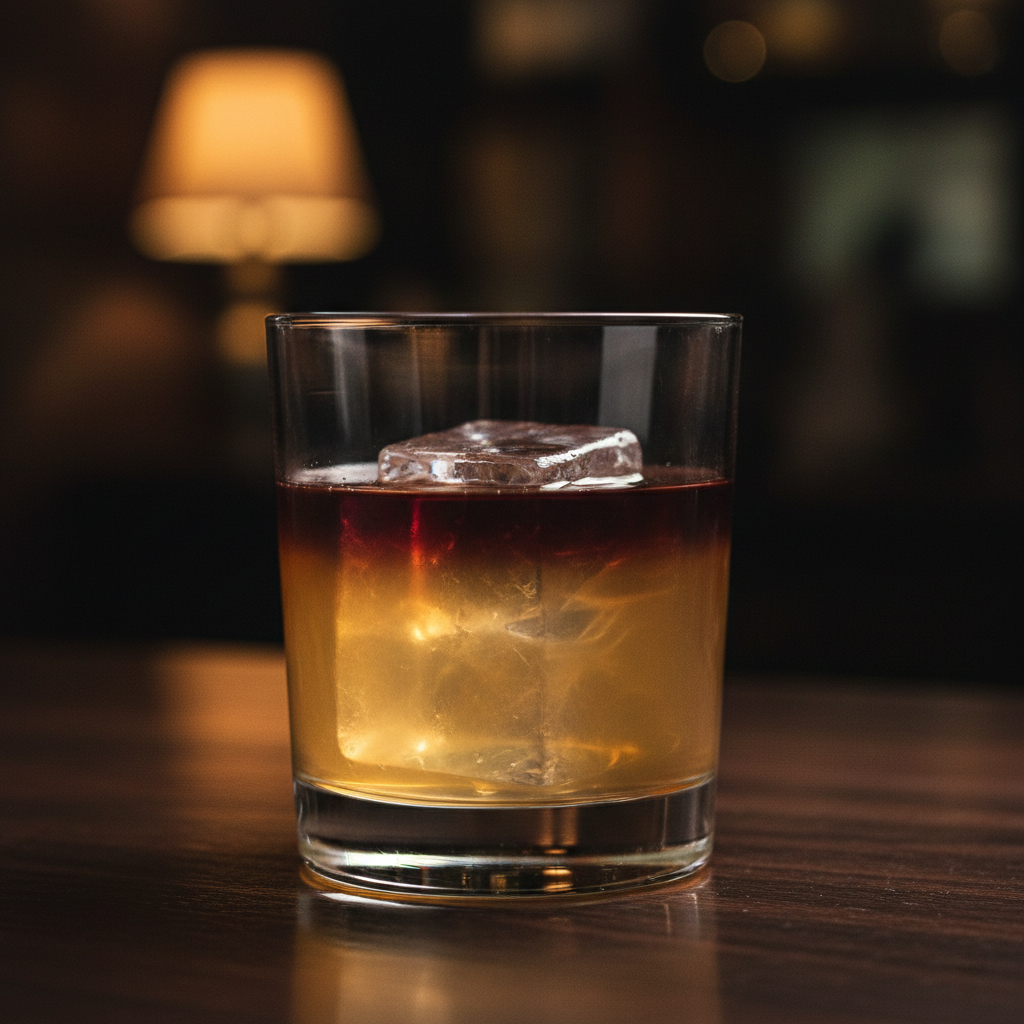
The New York Sour was created in the 1880s in Chicago and went through several names before settling on its current one. This visually striking cocktail is a Whiskey Sour topped with a float of dry red wine, creating beautiful layers and adding complexity to the classic sour formula.
The Bourbon Rickey was created in the 1880s at Shoomaker's bar in Washington D.C. when bartender George Williamson added lime to lobbyist Colonel Joe Rickey's usual bourbon and sparkling water. This simple, sugar-free cocktail became a D.C. classic before the gin version took over in popularity.
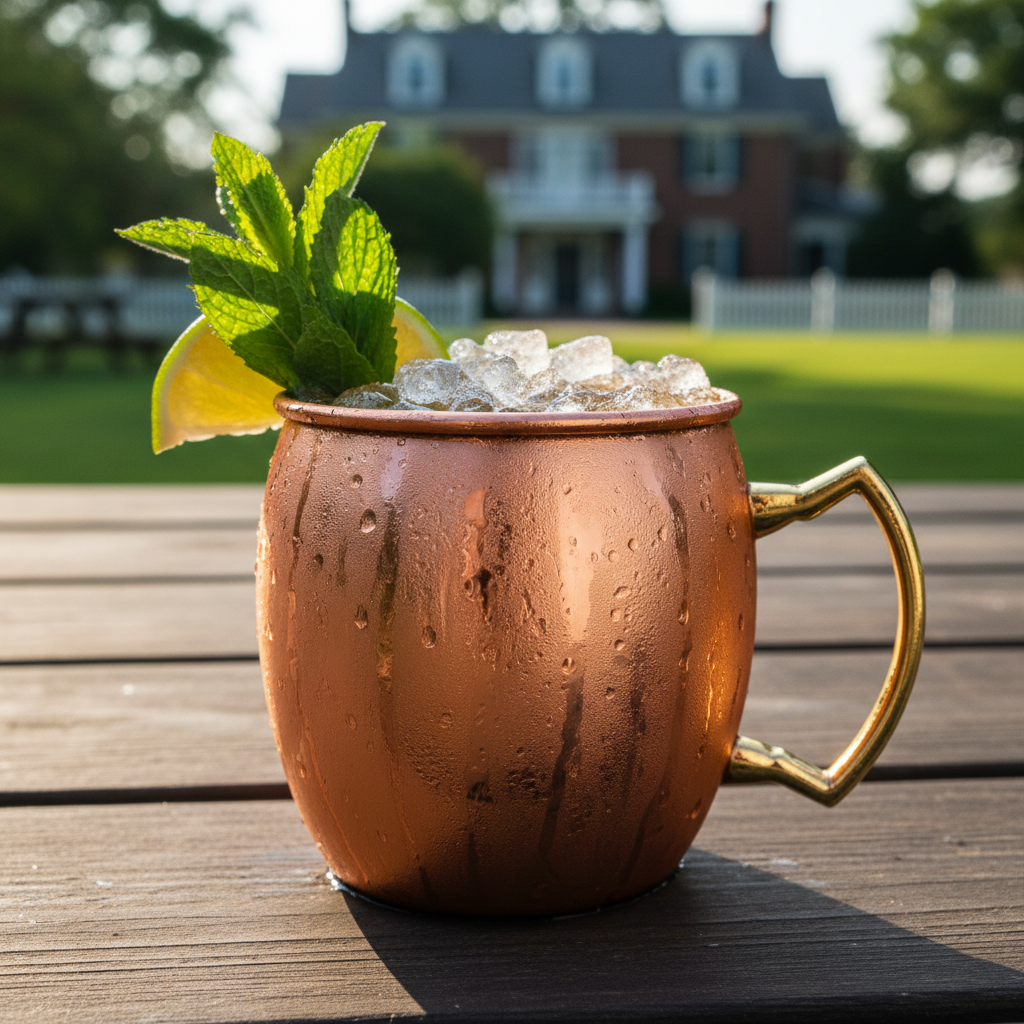
The Kentucky Mule is a bourbon-based variation of the Moscow Mule that emerged as bartenders across America started experimenting with regional spirits. This simple mix of bourbon, ginger beer, and lime juice creates a refreshing drink with more depth than the vodka original.
The Bourbon Smash combines muddled lemon wedges and fresh mint with bourbon and simple syrup for a refreshing cocktail. Bartender Dale DeGroff popularized this modern version in the late 1990s, creating a drink that's like a Mint Julep meets Whiskey Sour.
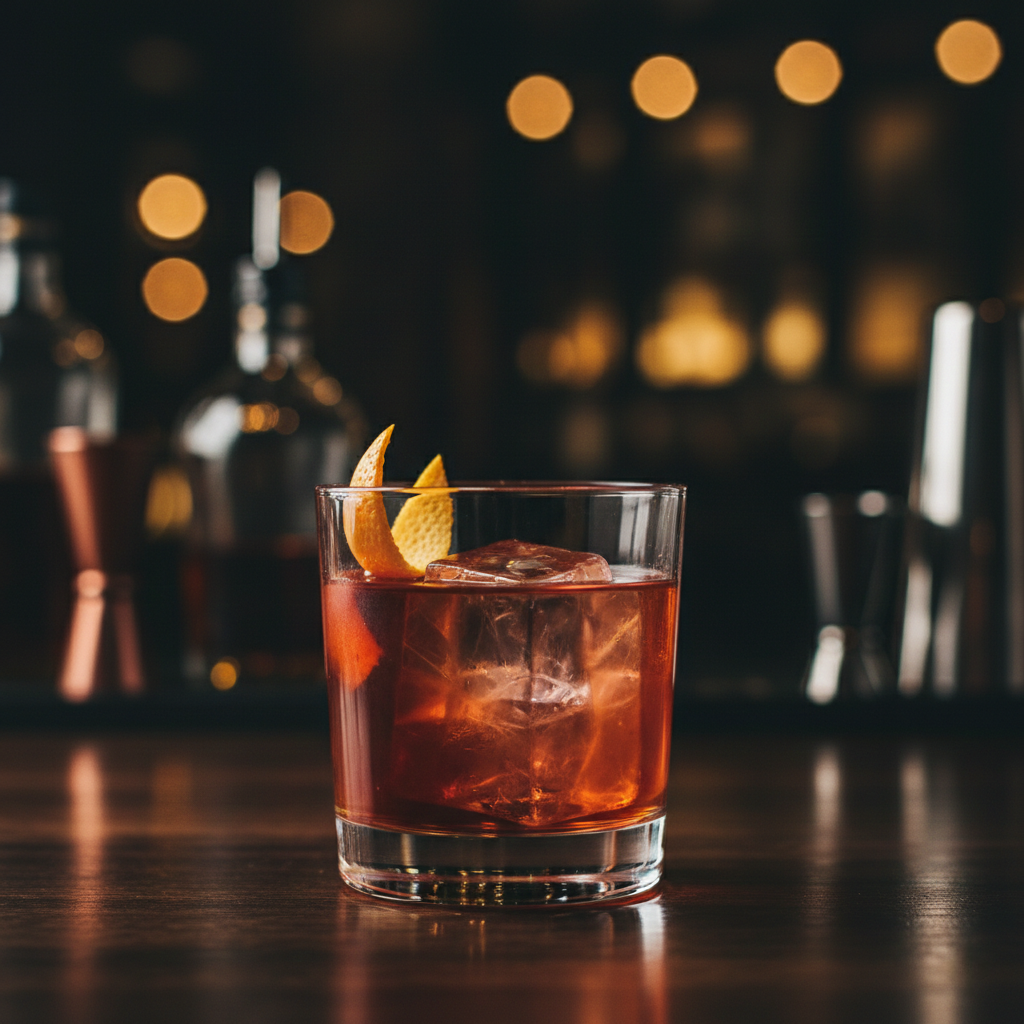
The Boulevardier first appeared in Harry MacElhone's 1927 book "Barflies and Cocktails," credited to American writer Erskine Gwynne. This Parisian creation swaps bourbon for gin in the classic Negroni formula, creating a richer, warmer cocktail that's gained popularity in recent years.
The Paper Plane was created by bartender Sam Ross in 2008 for Chicago's The Violet Hour. Named after the M.I.A. song, this modern classic uses equal parts bourbon, Aperol, Amaro Nonino, and fresh lemon juice for a perfectly balanced drink.
The Gold Rush cocktail was created in the early 2000s at New York's legendary Milk & Honey bar. This modern classic takes bourbon, fresh lemon juice, and honey syrup to create a smoother, richer take on the traditional Whiskey Sour that's become a staple worldwide.