
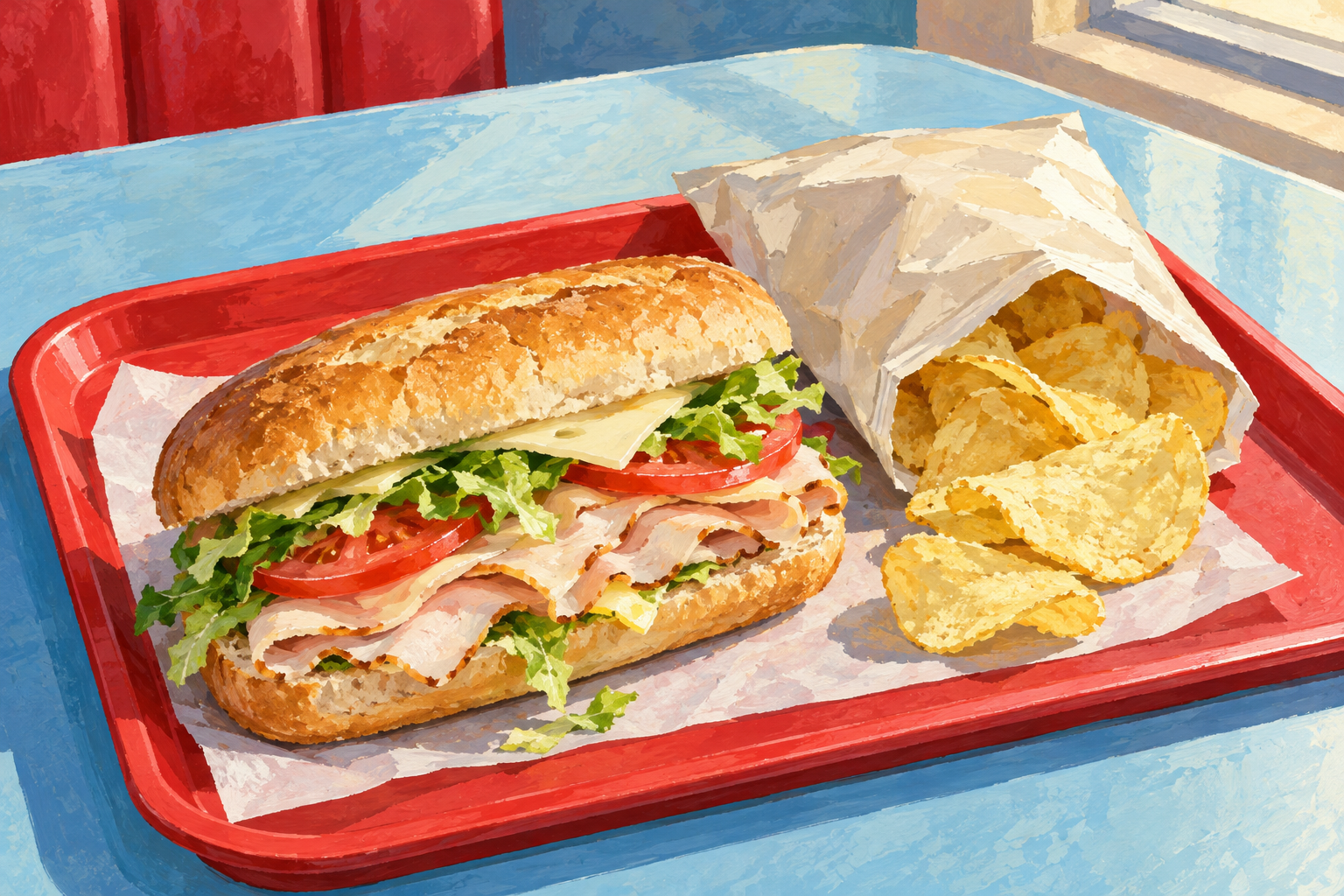
Jersey Mike’s Puts a Smaller Lunch in a $7.99 Bundle
The new Mini Bundle pairs a cold mini sub with chips, making portion size part of the value conversation.
Starbucks Denies a Chipotle Acquisition
Starbucks has directly denied buying Chipotle, shifting attention back to the companies’ operating priorities.
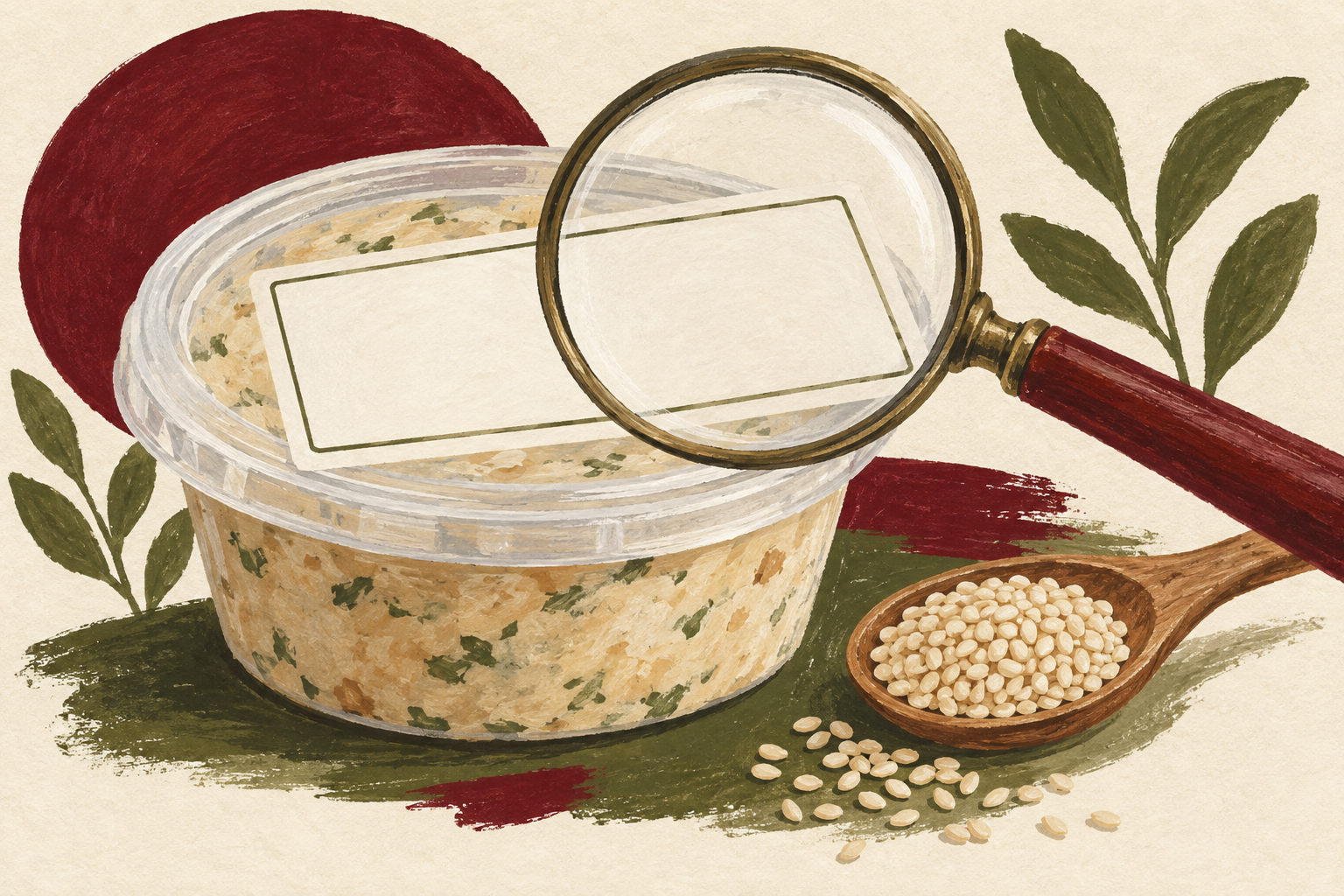
Oliva Dip Recall Highlights a Sesame Labeling Gap
A regional recall covers specific Riad’s Oliva to Go dips sold in western Connecticut and Massachusetts.
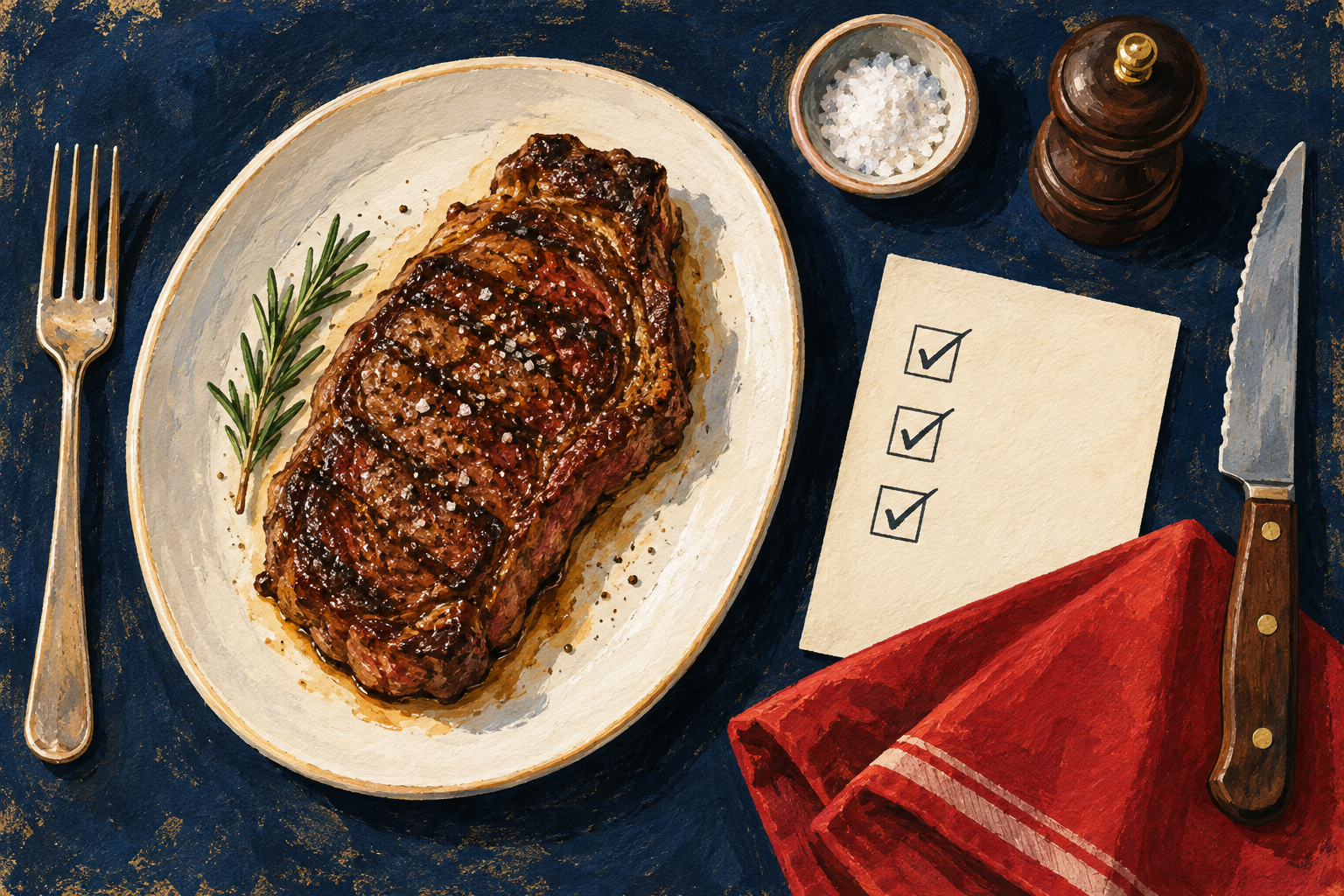
Outback’s Steak Push Puts Consistency Back in the Spotlight
Outback is promoting revised steak standards and new cuts. The real test is the dinner that reaches the table.
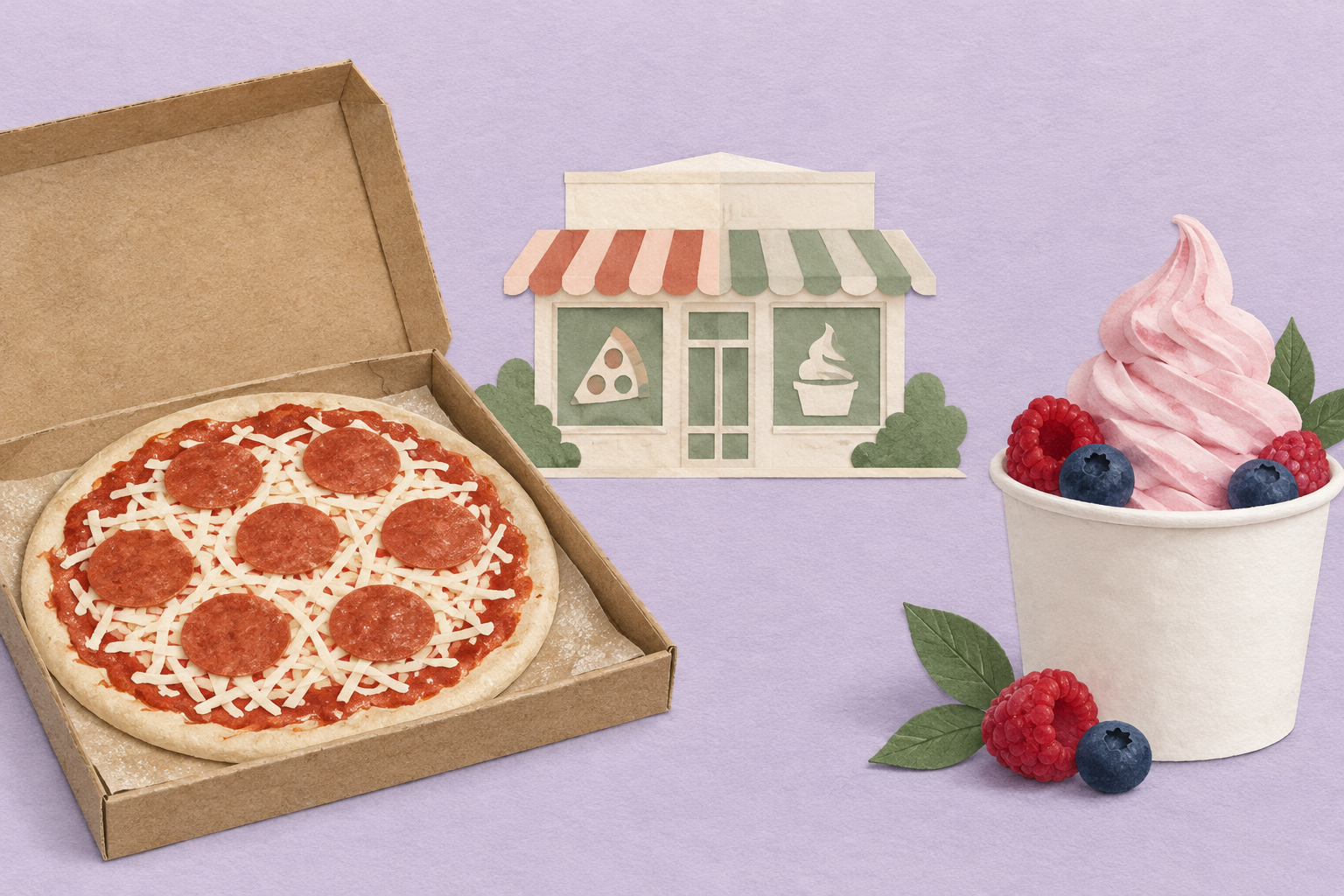
Papa Murphy’s and Pinkberry Put Dinner and Dessert Under One Roof
Three planned Papa Murphy’s and Pinkberry locations test whether sharing a restaurant can serve different dining occasions efficiently.
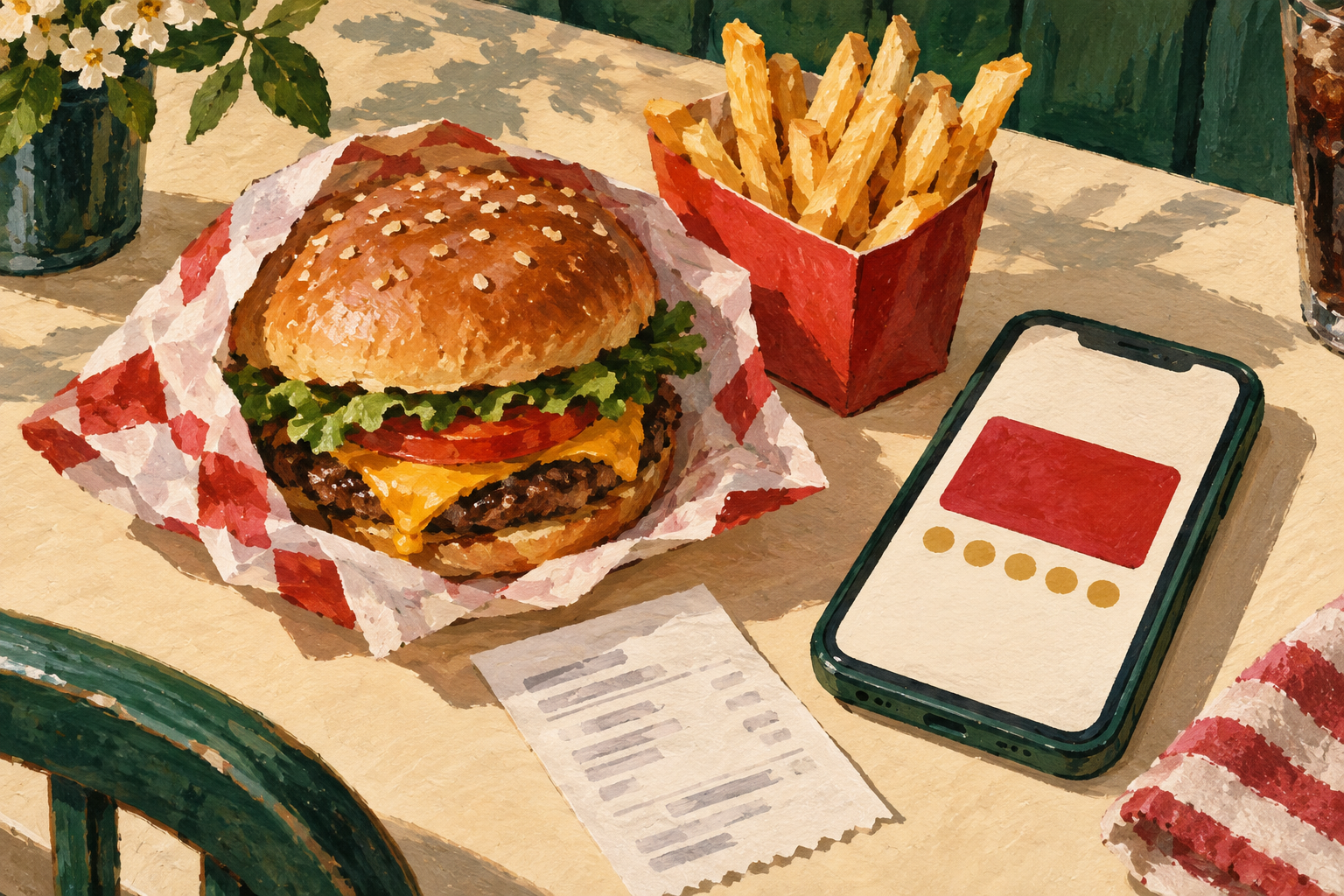
Fatburger’s New Rewards Program Makes Value a Return-Visit Question
Fatburger launched its first rewards program on October 8. The useful question is how the offer fits a guest’s existing spending.

Taco Bell and Milk Bar Turn Birthday Cake Into a New Dessert Collaboration
An October 15 dessert launch shows how a recognizable bakery flavor can travel into a different restaurant format.

Cinemark Wants a Place at the At-Home Game-Day Table
Cinemark’s game-day delivery push adds another competitor for group food orders.

Google’s New Dining Lists Put New York’s Search Habits on the Menu
Google’s new dining lists highlight restaurant discovery signals. Here is what those signals can—and cannot—tell diners.
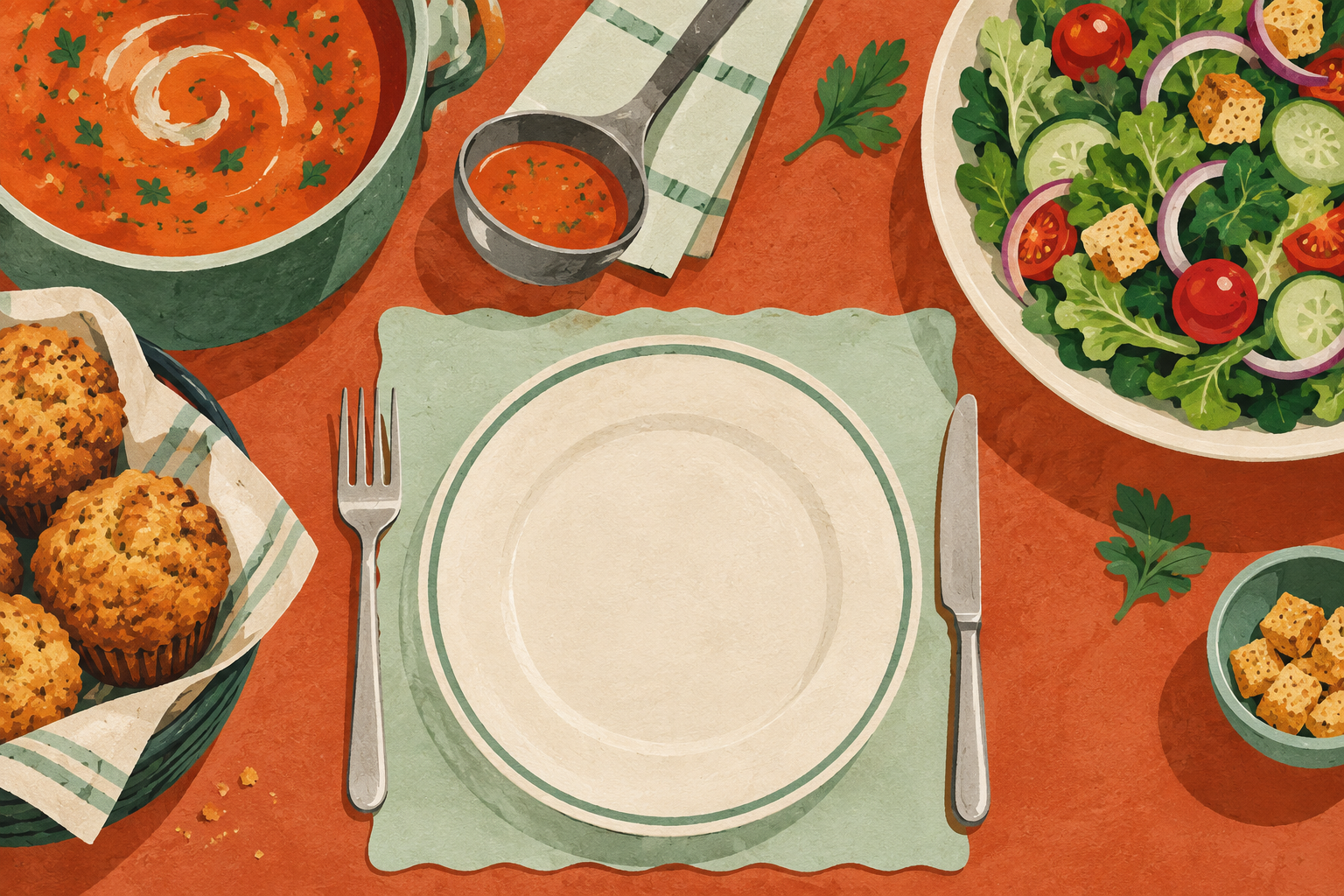
Souplantation Plans a California Return in 2027
A planned Fountain Valley reopening brings Souplantation back into the conversation about buffet value and restaurant revivals.

Toast Expands AI Tools for Restaurant Scheduling and Marketing
Toast’s October release adds labor and marketing tools. The practical test is whether managers can review and improve their output.
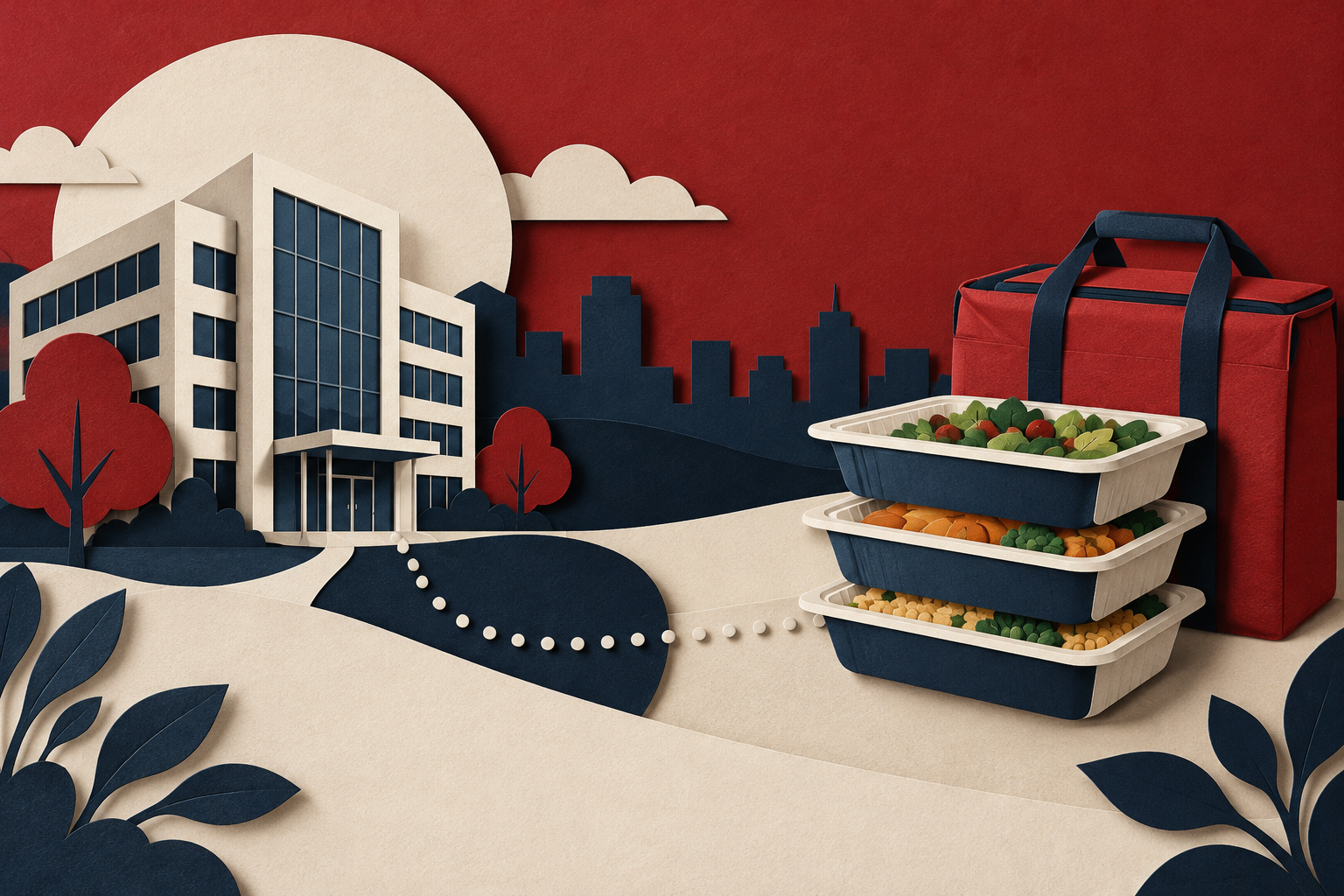
Uber’s $2.3 Billion ezCater Deal Puts Group Orders in Focus
Uber agreed to acquire ezCater. For restaurants, the opportunity comes with questions about capacity, delivery and order economics.
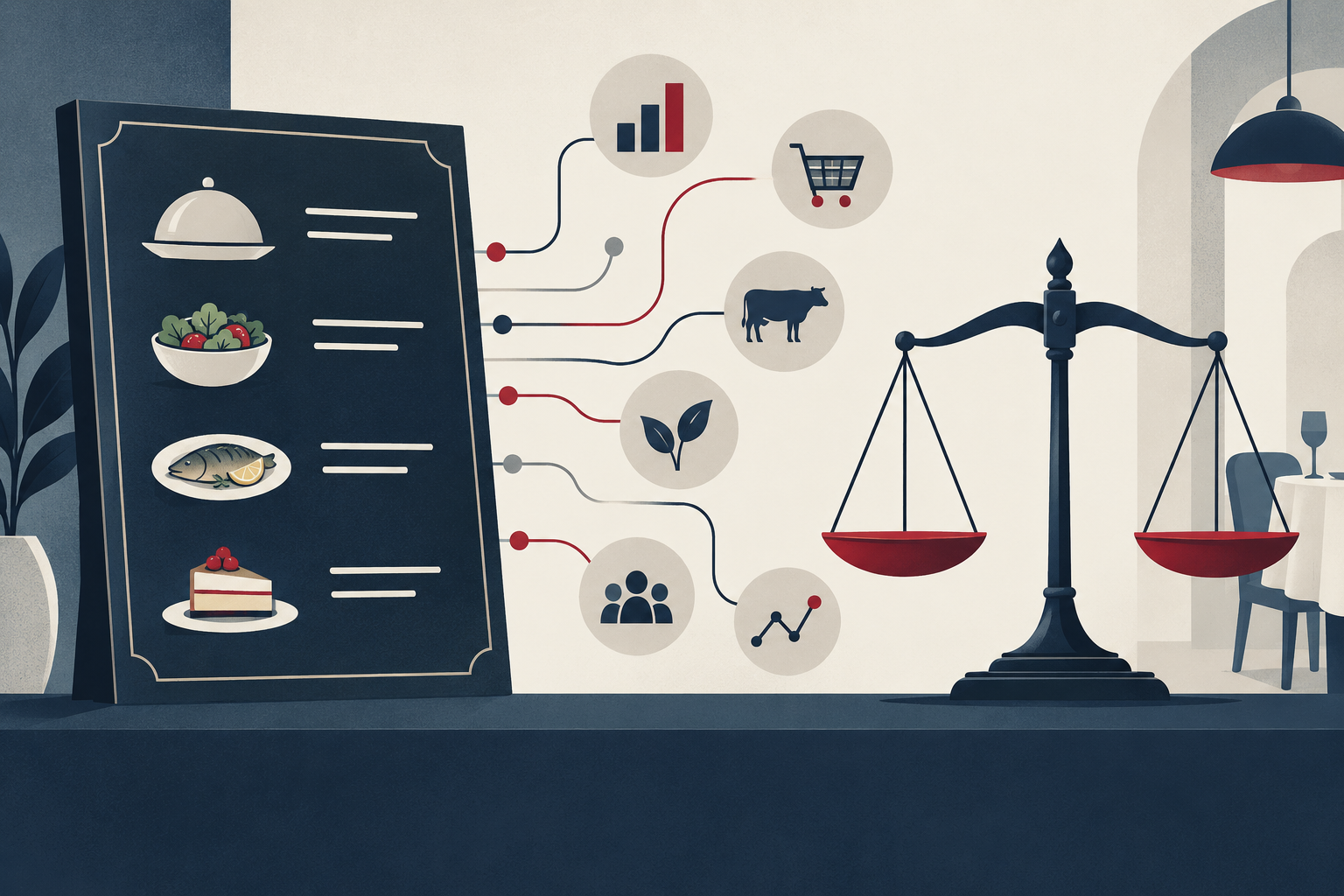
McDonald’s Pricing Lawsuit Puts Recommendation Tools Under Scrutiny
A proposed McDonald’s pricing class action raises questions about recommendation tools. The company disputes the allegations.

Red Robin’s New Credit Deal Follows a Major Franchise Shift
Red Robin refinanced after selling 108 restaurants. The new credit facility and franchise shift put operating consistency in focus.
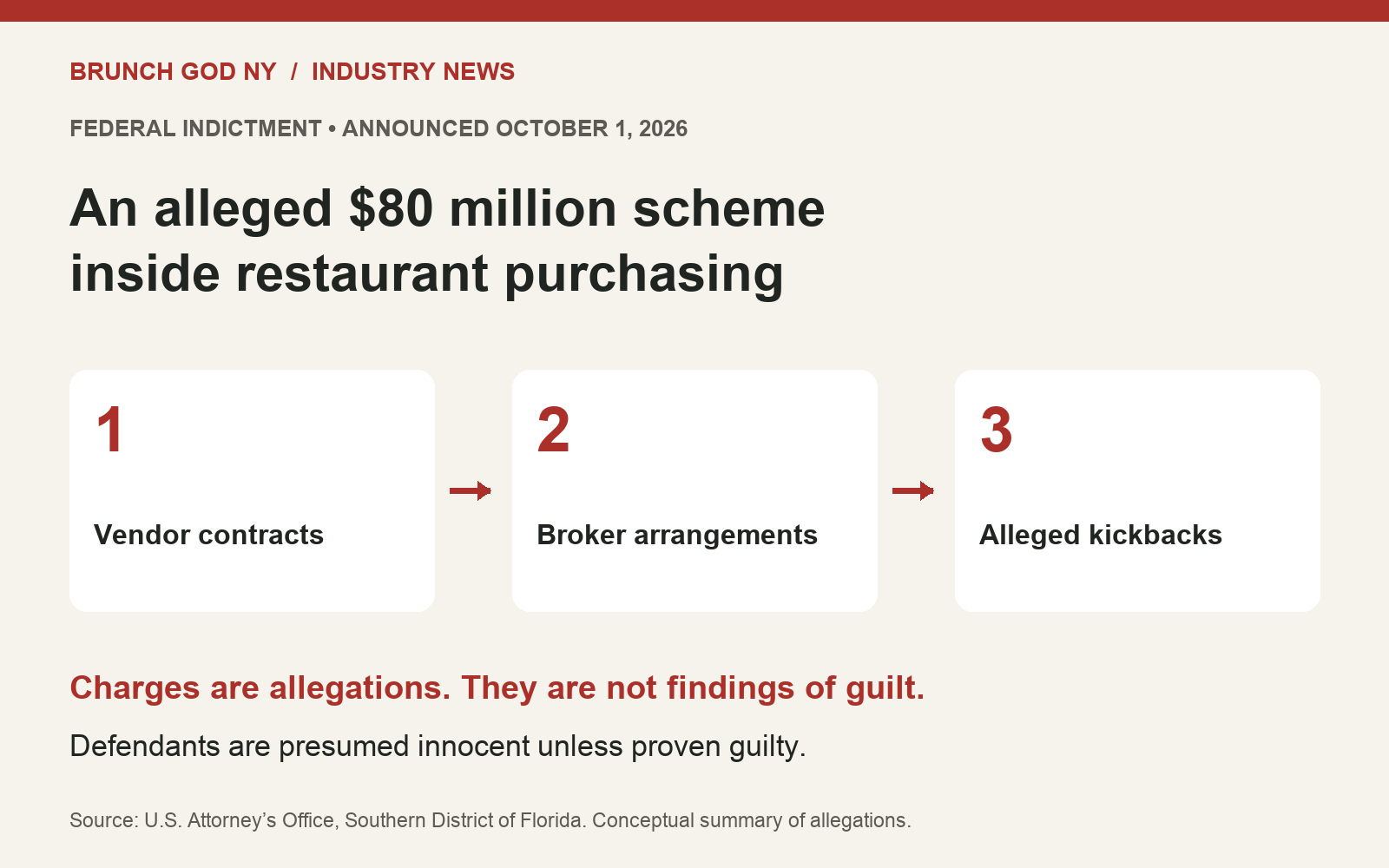
Subway Purchasing Co-op Ex-CEO Charged in Alleged $80M Scheme
Federal charges involving the former head of a purchasing cooperative raise questions about who benefits from restaurant supply contracts. The allegations remain unproven.
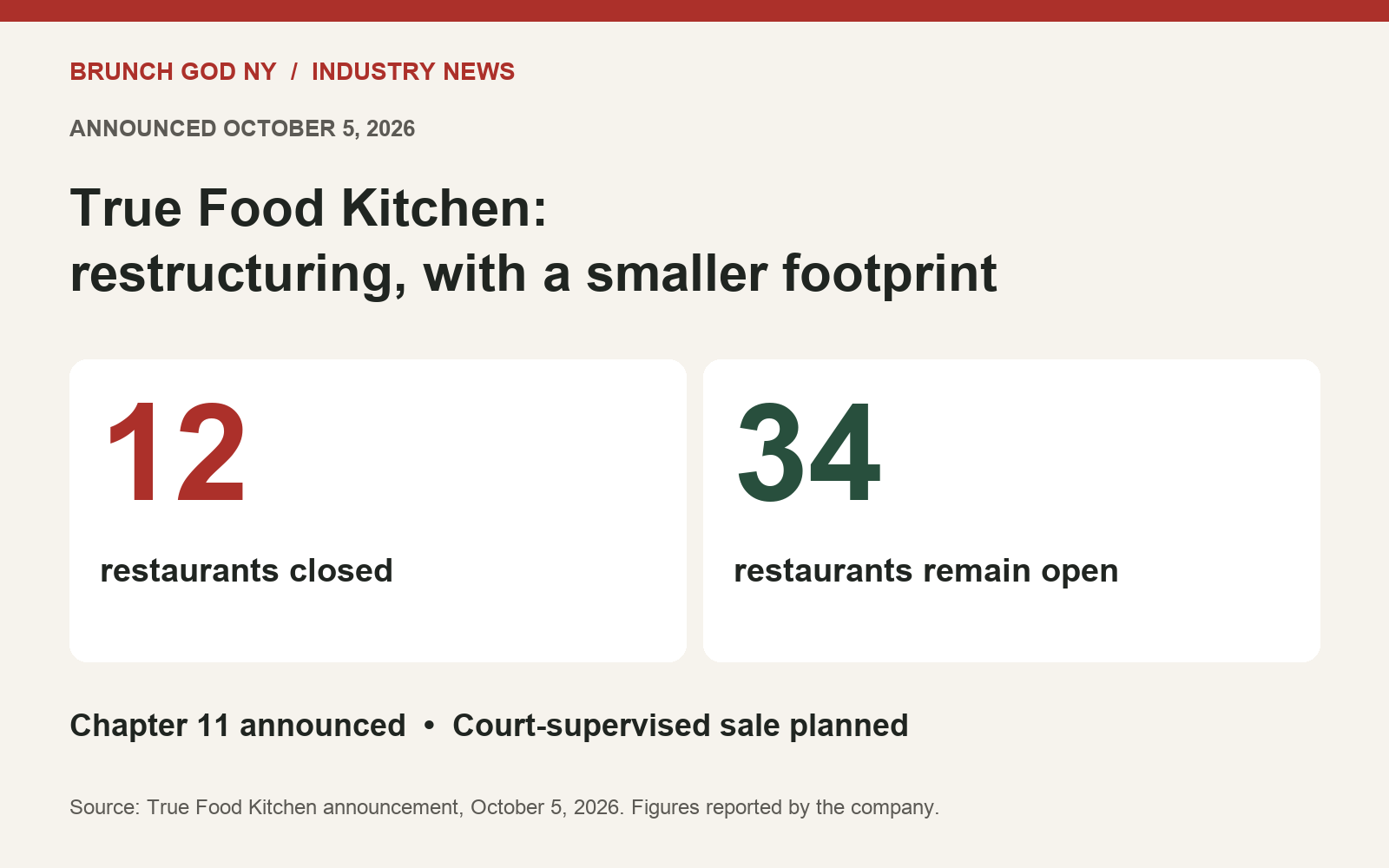
True Food Kitchen Files for Bankruptcy and Closes 12 Restaurants
The wellness-focused chain says 34 restaurants remain open as it seeks a buyer through a court-supervised process.
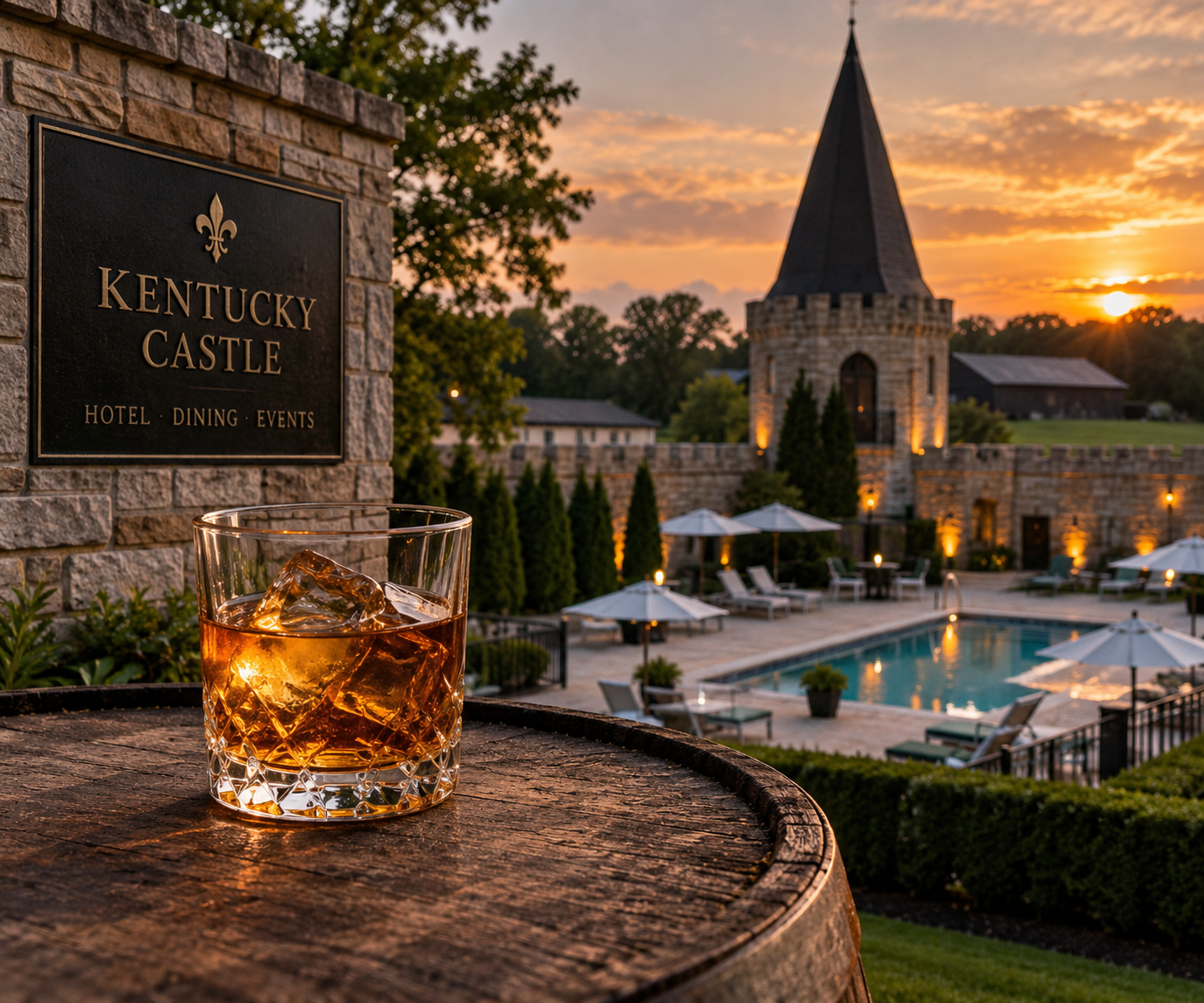
Bourbon Industry Figure Accused of Secretly Recording Guests at Kentucky Castle.
Bourbon entrepreneur and Angel’s Envy co-founder Wes Henderson is accused of secretly filming guests, including at the Kentucky Castle, raising serious privacy concerns across the bourbon and hospitality industries.
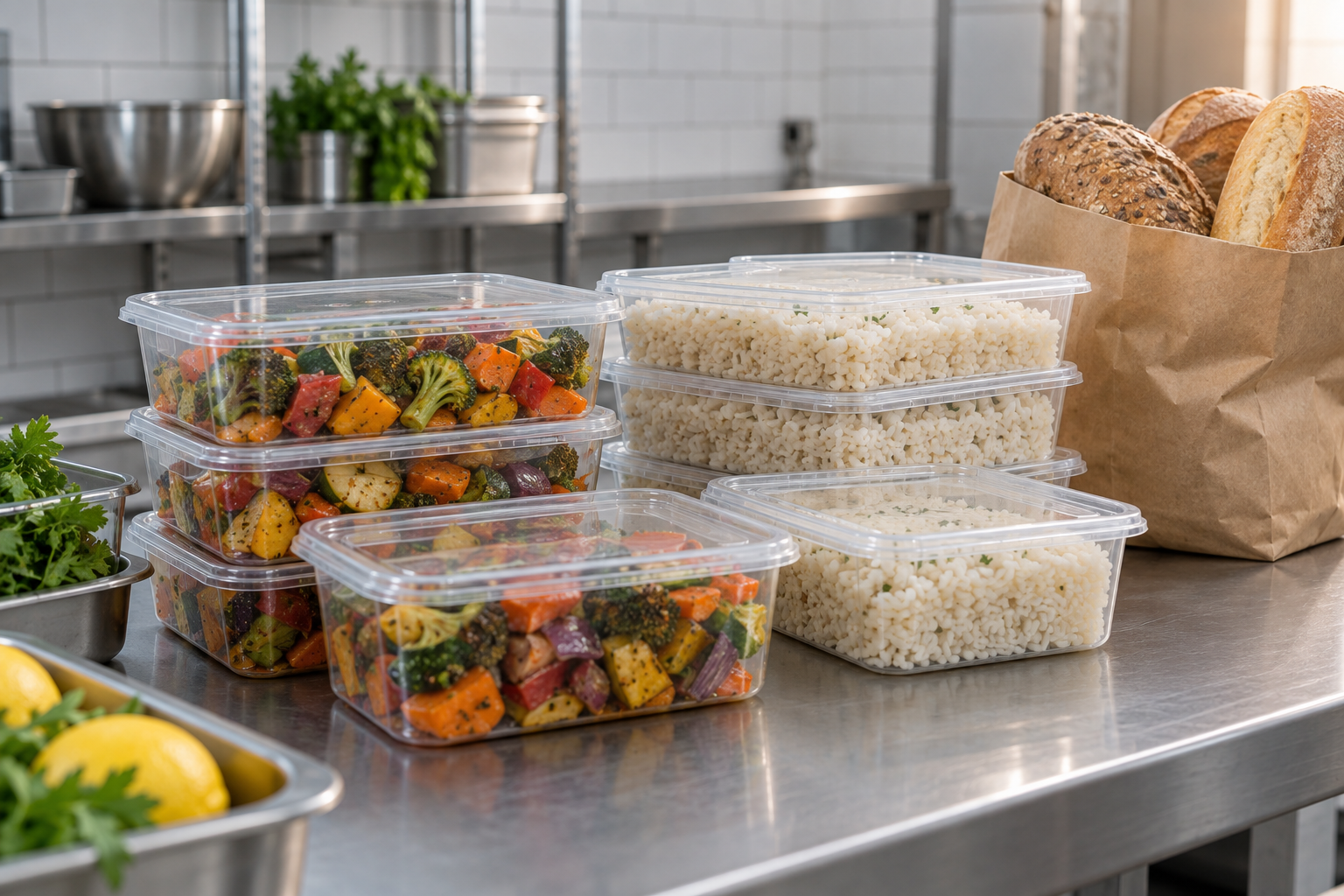
DonorLink Brings Food Donation Into Toast’s Restaurant Workflow
Food Rescue US’s new Toast integration aims to make arranging surplus-food donations part of a restaurant’s existing workflow.
Restaurant Careers: A New Survey Reveals a Perception Gap
New National Restaurant Association research highlights employee optimism—and raises practical questions about how restaurants demonstrate advancement.
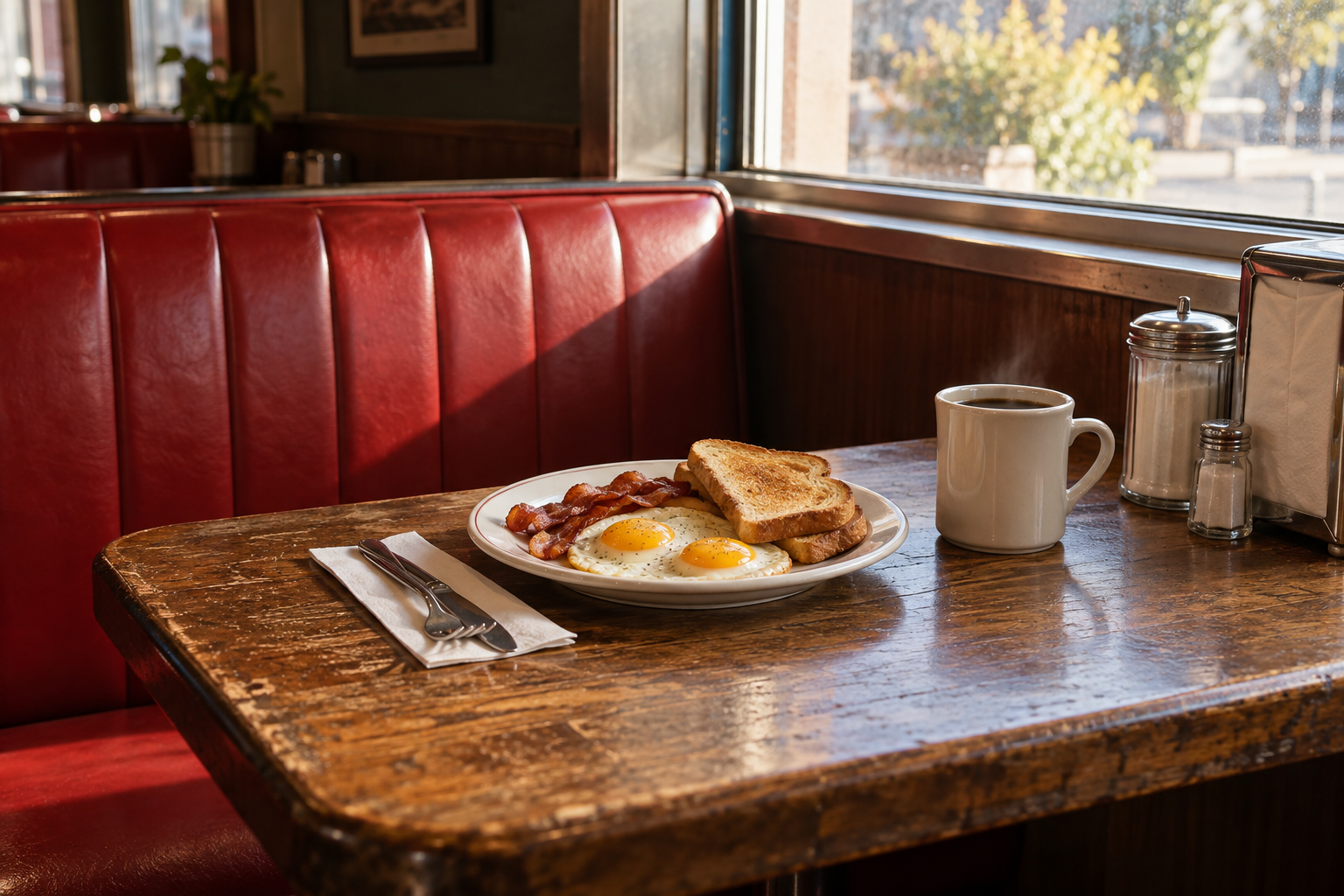
America’s Classics Remind Us What Makes a Restaurant Last
The 2026 James Beard recognition of The Serving Spoon and Oyster House puts enduring hospitality in focus.