WHISKEY DAISY
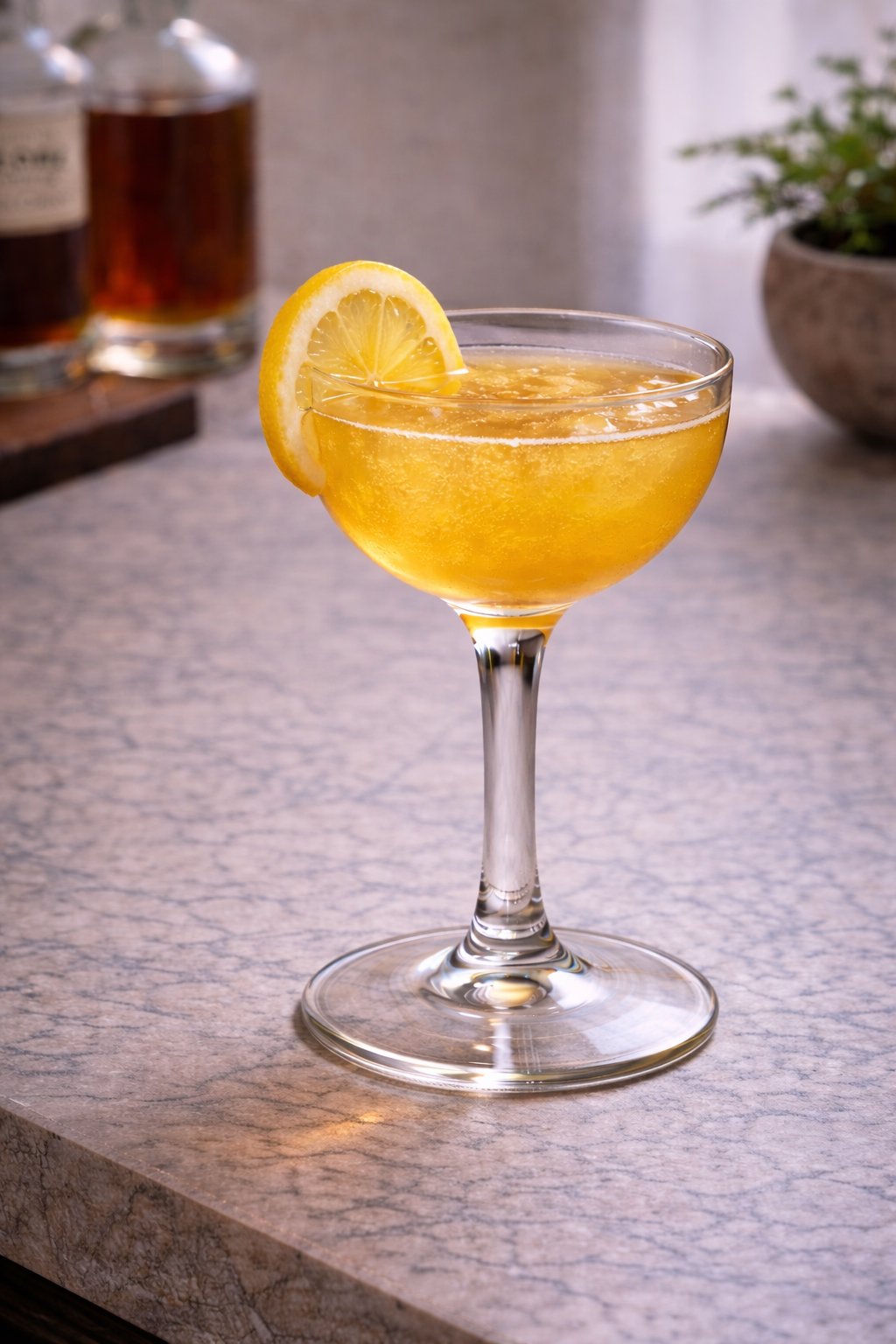
The Whiskey Daisy: The Victorian Fizz That Bars Forgot About
The Whiskey Daisy emerged in American bars during the 1870s as part of the larger Daisy category, which included versions made with gin, brandy, and rum. The name "Daisy" likely comes from the drink's appearance or possibly from the slang term "daisy" meaning something excellent.
Daisies were essentially proto-sours that added soda water for length and refreshment. The key ingredient that separates a Daisy from a basic sour is grenadine or another fruit syrup, which adds color and sweetness beyond simple sugar. This makes the Whiskey Daisy slightly more complex than a whiskey sour while remaining approachable.
The drink became popular because it was lighter and more sessionable than straight spirit drinks. The soda water creates effervescence and dilution, making it suitable for afternoon drinking or warmer weather. By the late 1800s, Daisies appeared in nearly every bartending guide, though they've since been overshadowed by their shorter cousins like the sour and fizz.
RECIPE:
2 oz whiskey (bourbon or rye)
¾ oz fresh lemon juice
½ oz grenadine
2 oz soda water
Lemon wheel or seasonal berries for garnish
Method:
Add whiskey, lemon juice, and grenadine to shaker with ice
Shake until well-chilled
Strain into ice-filled highball glass
Top with soda water
Garnish with lemon wheel or seasonal berries