GIN SONIC
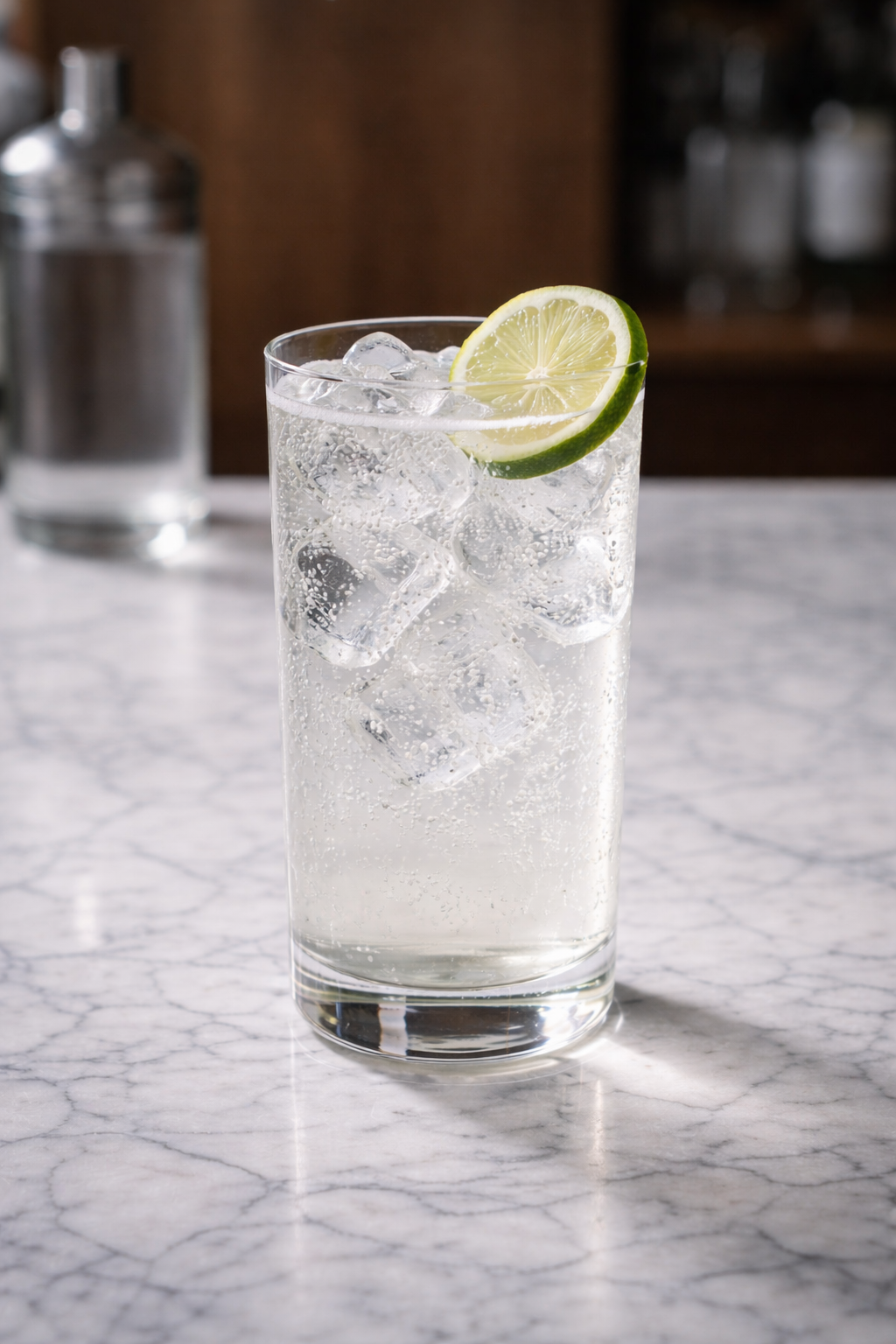
The Gin Sonic: Japan's Answer to Overly Sweet Tonic Water
The Gin Sonic was created in Japan during the 1990s out of necessity. The Japanese government had banned quinine, tonic water's defining ingredient, from food and drink until the mid-1990s. As a result, Japanese tonic waters were essentially sweetened fizzy water without the characteristic bitterness PUNCH. Bartenders began adding soda water to cut the excessive sweetness and allow the gin's flavors to come through.
The person who did the most to popularize the drink was Seiji Oshiro, who opened Hibiya Bar in Tokyo in 1990. In 1997, he added the soda-topped gin and tonic to his menu under the name "Gin Sonic" - a portmanteau of soda and tonic PUNCH. Oshiro reasoned that traditional gin and tonics were too sweet while Gin Rickeys were too tart for newcomers to cocktails, making the Sonic the perfect middle ground.
What makes the Gin Sonic work is how the soda water lightens the drink without removing the tonic's character entirely. The addition of soda water allows the gin's botanicals to shine through rather than being masked by sweetness PUNCH. Even as better tonic waters became available in Japan, the Gin Sonic remained popular because it effectively showcases premium and craft gins.
The drink typically uses more soda than tonic, with ratios varying by bartender. Some bartenders suggest using about two and a half ounces of soda to half an ounce of tonic on a one-ounce pour of gin PUNCH. The Gin Sonic has since spread internationally as bartenders discovered it offers a lighter, more refreshing alternative to the standard gin and tonic.
RECIPE:
2 oz gin
½ oz tonic water
2-3 oz soda water
Lime wedge for garnish
Method:
Fill highball glass with ice
Add gin
Add tonic water
Top with soda water
Stir gently to combine
Squeeze and drop lime wedge into glass