Algonquin
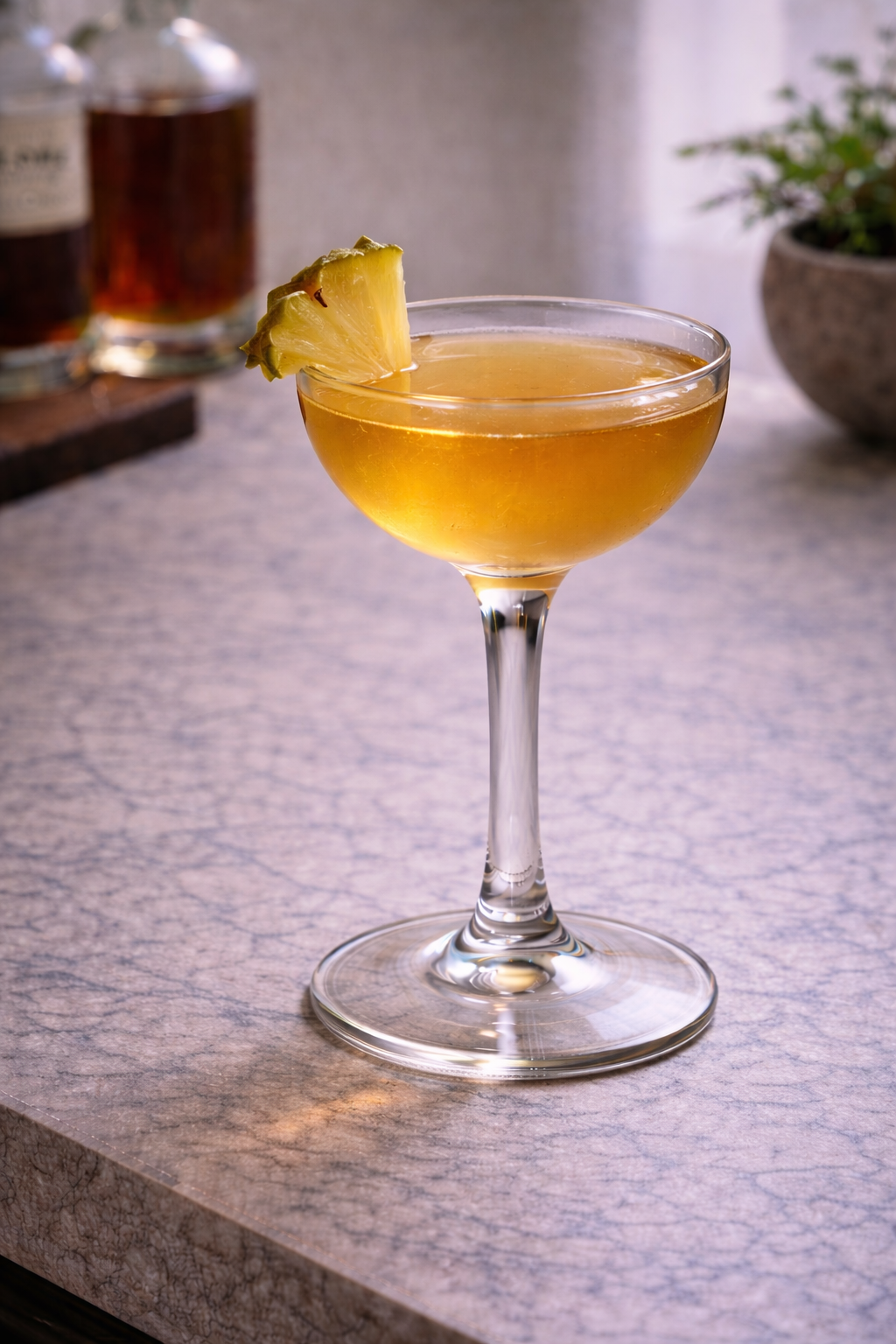
The Algonquin Cocktail: The 1920s Drink Named After New York's Literary Hangout
The Algonquin Cocktail appeared in the 1920s, named after the Algonquin Hotel on West 44th Street in Manhattan. The hotel became famous for hosting the Algonquin Round Table, a daily lunch gathering of writers, critics, and actors including Dorothy Parker, Robert Benchley, and Alexander Woollcott throughout the 1920s.
While the exact origin of the cocktail is unclear, it likely was created at the hotel's bar during Prohibition or shortly after repeal. The drink combines rye whiskey with dry vermouth and pineapple juice, creating an unusual flavor profile that sets it apart from typical whiskey cocktails of the era.
The Algonquin works because the pineapple juice adds tropical sweetness and acidity that balances the spicy character of rye whiskey. The dry vermouth contributes herbal notes and helps tie everything together. The result is a drink that's neither too sweet nor too spirit-forward.
The cocktail represents 1920s New York sophistication and the literary culture that flourished at the hotel. Unlike many hotel-named drinks that are promotional inventions, the Algonquin has maintained a place in cocktail history due to its balanced flavor and connection to American literary history.
RECIPE:
1½ oz rye whiskey
¾ oz dry vermouth
¾ oz pineapple juice
Pineapple wedge or cherry for garnish (optional)
Method:
Add rye whiskey, dry vermouth, and pineapple juice to shaker with ice
Shake well until chilled
Strain into chilled coupe glass
Garnish with pineapple wedge or cherry if desired