DonorLink Brings Food Donation Into Toast’s Restaurant Workflow
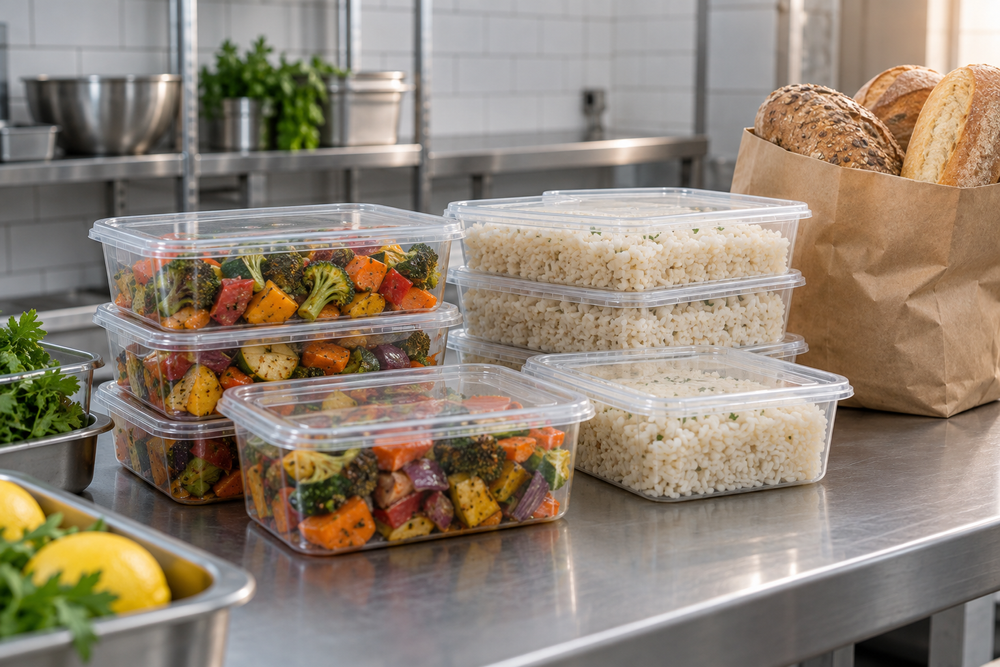
Food Rescue US introduced DonorLink during Climate Week NYC on September 22, 2026, adding a new route for restaurants to arrange surplus-food donations. The integration is available through the Toast Integration Marketplace. Its significance is practical: it puts a donation action closer to the system a restaurant team already uses during service.
According to Food Rescue US, restaurants can record a donation through their point-of-sale inventory workflow, with the information sent to its platform. Food Rescue US then coordinates a match with a local social service agency and a volunteer for pickup and delivery. The organization describes the integration as free and says it was developed with Toast.org and support from the ReFED Catalytic Grant Fund.
The availability of an integration is not the same as a confirmed pickup arrangement. Food Rescue US directs potential donors to connect with their local site. Restaurants considering participation should start with that conversation and establish how coordination will work in their area.
Brunch God perspective: the most promising part of this launch is the chance to make a good intention easier to repeat. At the end of a demanding shift, a separate process can be easy to postpone. A familiar place to record surplus may help, but someone still needs clear responsibility for completing the handoff.
A useful rollout would assign that responsibility before the first donation. The closing team should know who contacts the local coordinator, where the agreed instructions are kept and how a missed pickup is communicated. Managers can then review whether the process is dependable across different shifts, rather than relying on one enthusiastic employee to remember every detail.
Donation and waste prevention also deserve separate attention. A successful transfer gets available food to a recipient; it does not explain why the surplus existed. Restaurants can use their own records to look for recurring overproduction while maintaining a donation process for food that remains. Measuring both questions makes the program more informative than celebrating a single collection.
For New York operators, the immediate action is to check local participation and read the integration details. The launch creates an operational option worth evaluating. Its results will depend on the people, coordination and follow-through around it.
Sources: Food Rescue US: DonorLink; Climate Week NYC: September 22 DonorLink launch.