Kayem Recall Calls for a Closer Look at Refrigerated Meat Labels
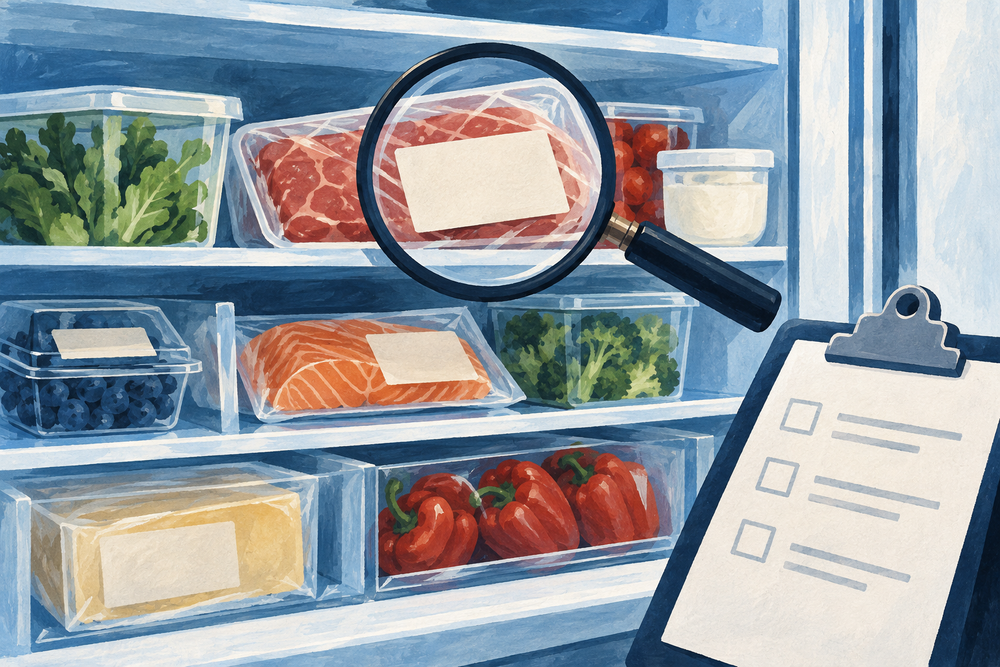
Before the next sandwich lunch or breakfast service, check the packaged meats already in the refrigerator. The U.S. Department of Agriculture’s Food Safety and Inspection Service announced on October 17 that Kayem Foods was recalling approximately 1,584,361 pounds of ready-to-eat meat and poultry because storage temperatures may have been unsuitable.
The agency says the affected items were produced approximately March 31 through October 7, 2026, and reached retail and foodservice customers nationwide and in Hong Kong. Its notice identifies establishment numbers EST. M/P 7839, EST. P 20935A and EST. M 9520. Use the official product list and label images to identify affected packages rather than assuming every item carrying a familiar brand name is included.
FSIS traces the investigation to a retail customer’s October 1 complaint about warm products at delivery. The agency reported no confirmed illnesses associated with the products in its announcement. Its consumer instruction is direct: do not eat recalled products; discard them or return them to the seller. Anyone concerned about illness should contact a healthcare provider.
ABC News and NBC New York both covered the recall on October 19, describing a range that includes hot dogs, sausages, bacon and deli meats. ABC also reported the company’s statement that it had corrected a warehouse cooling-system problem and was contacting wholesale and retail customers. That response belongs alongside the regulator’s findings; it does not remove the recall instructions for affected stock.
For a home cook, the practical task is identification, not guessing from a photograph of a generic sausage or ham. Keep the package information available while checking the official list. A broad headline cannot carry every product name, size or code, which is why the regulator’s linked documents are more useful than a shortened list repeated across social media.
For foodservice teams, our operational takeaway is to make recall checking part of a documented receiving-and-inventory process. A supplier name on an invoice and a product name on a kitchen label may not be identical. Assigning someone to compare the official identifiers with stock and supplier records makes the response easier to trace. This is a reason to check existing inventory as well as the next delivery, while following the recall notice and supplier instructions.
Sources: FSIS recall notice and official product-label links; ABC News; NBC New York.