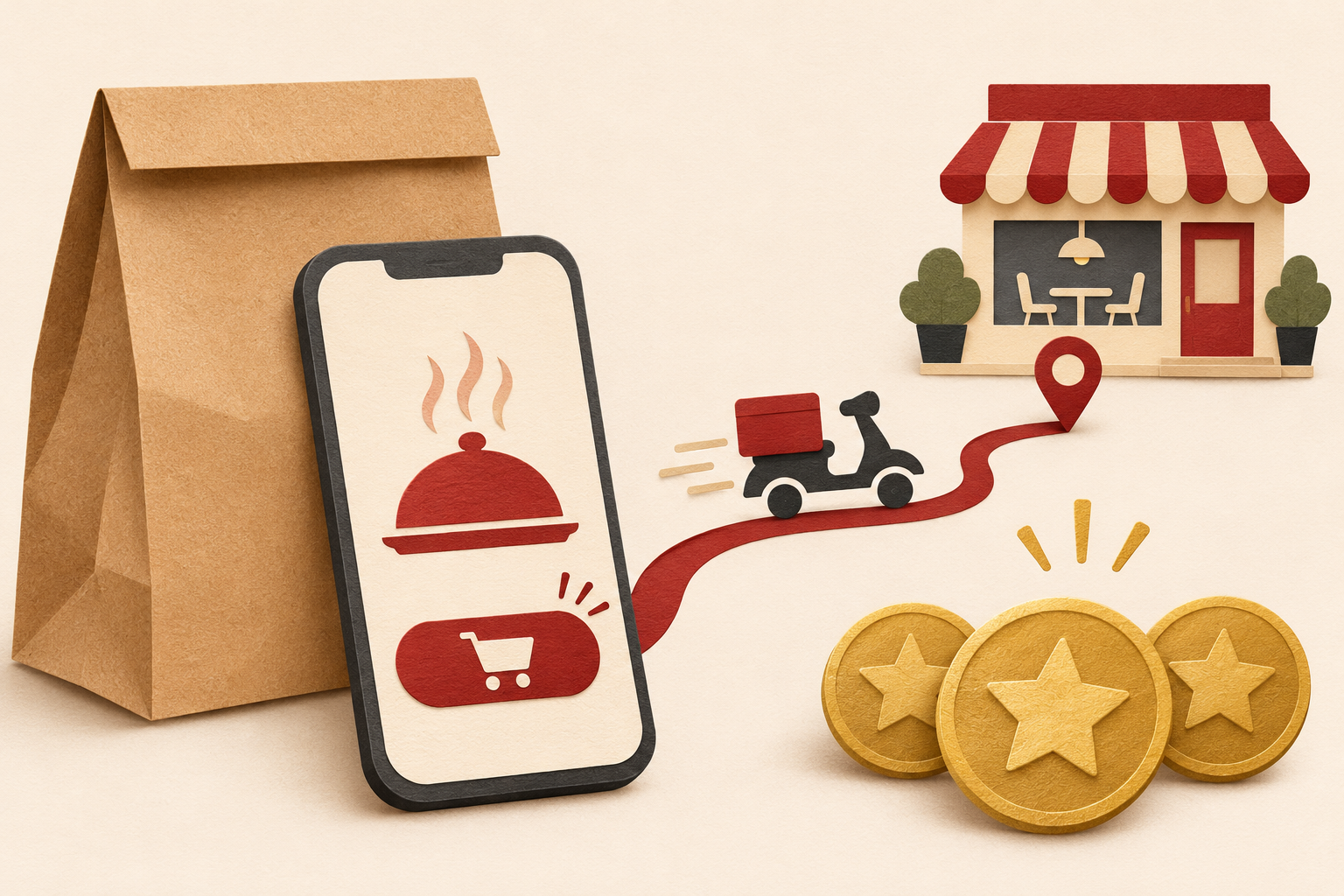
Ordering dinner and collecting rewards may soon involve fewer separate steps for some McDonald’s customers. On November 9, the chain announced an expanded, multiyear partnership with Uber covering 14 markets, including the United States. The agreement brings delivery fulfillment and loyalty programs closer together, although the individual features will not arrive everywhere at once.
According to McDonald’s announcement, Uber becomes its preferred partner for integrated delivery fulfillment in participating markets. Customers will be able to order and track delivery inside the McDonald’s app, with fulfillment primarily through Uber Direct and technology from Deliverect. Ordering through Uber Eats will remain an option.
The rewards changes have their own timetable. Beginning this month in select markets, a seasonal promotion will let MyMcDonald’s Rewards members redeem points for Uber ride discounts. The companies also plan a future connection through which eligible McDonald’s purchases on Uber Eats can earn loyalty points for use in the restaurant’s app. That future feature should not be confused with an offer already available to every customer.
Restaurant Dive reported the loyalty connection on November 9, while Nation’s Restaurant News covered the move toward delivery inside McDonald’s own app. Together, the developments highlight a useful distinction: the place where a customer orders can be separate from the company that carries the meal.
For diners, the practical question is which ordering route offers the best complete transaction. Before checking out, compare the available menu, delivery charge, other fees and rewards terms shown in the app. A connection between loyalty systems does not, by itself, establish that every order will cost less. Local availability and the specific promotion still matter.
For restaurant operators, the agreement illustrates why retaining a direct customer relationship can coexist with outside delivery support. The difficult work comes after the announcement: clear tracking, an understandable rewards balance and help when an order goes wrong. Those are the moments that determine whether an integrated service actually feels simpler to use. For another recent development in the delivery market, explore Brunch God’s Industry News.